
Marine biodiversity is a vital component of the Earth’s ecosystem, providing numerous ecological services that sustain life on our planet. However, the increasing frequency and severity of heatwaves in oceans pose a significant threat to marine biodiversity. Prolonged and repeated heatwaves have severe consequences, including droughts, health risks, increased mortality rates, and agricultural losses. But it doesn’t end there.
A new study reveals that these prolonged and repeated heatwaves violently impact marine life, literally “burning” vast areas of ocean ecosystems. The findings of this study highlight the urgent need for action to mitigate the effects of heatwaves on marine biodiversity.
Understanding the Threat
Heatwaves in oceans are like wildfires in forests, annihilating biodiversity. Prolonged and repeated heatwaves have severe consequences, including droughts, health risks, increased mortality rates, and agricultural losses. But it doesn’t end there.
A new study reveals that these prolonged and repeated heatwaves violently impact marine life, literally “burning” vast areas of ocean ecosystems.
The Impact of Heatwaves on Marine Biodiversity
From a meteorological perspective, heatwaves are periods of time characterized by unusually high temperatures above normal values in a given region. When heatwaves affect oceans, water temperatures rise significantly, leading to exceptional warmth. A recent study published in Nature Climate Change has shown that the effects of heatwaves have amplified over the past three decades.
Globally, heatwaves have increased by 54% since thirty years ago, resulting in a clear decline in marine biodiversity.
Analyzing the Data
Researchers examined 116 previous studies to obtain data on over a thousand cases. The focus was on periods exceeding five days where oceans reached exceptionally high temperatures. The “Blob,” a massive body of warm water caused by ozone levels increase, was also included in the analysis, decimating flora and fauna along the American coast.
According to Professor Thomas Wernberg from the University of Western Australia, co-author of the study alongside Dan Smale from the Marine Biological Association of Plymouth, heatwaves “restructure ecosystems, kill a large number of animals and plants, and can have long-term implications.”
Quantifying Biodiversity Loss
Researchers quantified biodiversity presence in various areas using existing data. The focus was on regions with exceptionally high marine life richness, which were most at risk of deterioration, resulting in significant mortality levels that could lead to cascading effects on surrounding ecosystems.
Three habitats where biodiversity has been severely compromised by ocean warming are:
- Coral reefs in the Caribbean
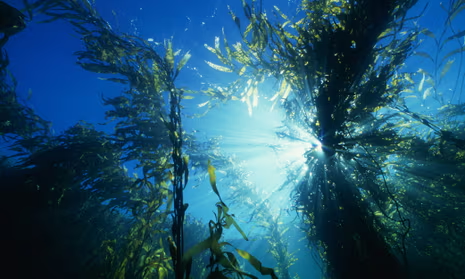
- Kelp forests off California’s coast
- Seaweed in Australia
A loss that will only increase atmospheric carbon dioxide levels.
European Heatwaves
The consequences of heatwaves worry. But what’s even more alarming is that these climate events are destined to become increasingly frequent and close, due to global warming.
A European perspective is also a concern.
Between May and July 2018, several heatwaves affected Europe, with anomalous temperature peaks affecting northern countries like Denmark, Ireland, the Netherlands, Norway, Finland, and Sweden.
A preliminary study by the World Weather Attribution focused on temperatures atypically recorded in Northern European nations. The results were ominously alarming: global warming has doubled the likelihood of unusual heatwaves in these regions, posing dire consequences.
Conclusion
Heatwaves have a devastating impact on marine biodiversity. A new study highlights the severe consequences of prolonged and repeated heatwaves on ocean ecosystems. As climate change continues to intensify, it’s essential to understand and address this critical issue. The clock is ticking; we must take action before it’s too late.
Frequently Asked Questions
- What are heatwaves in oceans?
- How do heatwaves impact marine biodiversity?
- What regions are most at risk of biodiversity loss due to ocean warming?
- Will global warming increase the frequency and severity of heatwaves?
- What can be done to mitigate the effects of heatwaves on marine ecosystems?
- How can we balance human activities with the need to protect marine biodiversity?
- What role do climate models play in predicting heatwave impacts on oceans?
- Can heatwaves have long-term implications for ocean ecosystems?
Mitigating the Effects of Heatwaves on Marine Ecosystems
To address the devastating impact of heatwaves on marine biodiversity, several strategies can be employed to mitigate the effects:
-
Reduce Greenhouse Gas Emissions: The most effective way to combat climate change is to reduce greenhouse gas emissions.
-
Protect and Restore Natural Habitats: Preserving and restoring natural habitats like coral reefs, kelp forests, and seaweed ecosystems can help maintain biodiversity.
-
Implement Climate-Smart Conservation: Implementing climate-smart conservation strategies can help protect marine biodiversity from the impacts of heatwaves.
-
Promote Sustainable Fishing Practices: Encouraging sustainable fishing practices can reduce bycatch and protect marine life from overfishing.
-
Support Climate Change Research: Continuing to research the effects of heatwaves on marine biodiversity can provide valuable insights into how to mitigate these impacts.
-
Educate Communities about Heatwave Impacts: Raising awareness among communities about the devastating impact of heatwaves on marine biodiversity can foster a sense of urgency and encourage action.
Conclusion
In conclusion, heatwaves have a devastating impact on marine biodiversity. The effects of prolonged and repeated heatwaves are severe and far-reaching, resulting in significant mortality levels that could lead to cascading effects on surrounding ecosystems. To mitigate the impacts of heatwaves on marine ecosystems, we must take immediate and collective action. By reducing greenhouse gas emissions, protecting and restoring natural habitats, implementing climate-smart conservation strategies, promoting sustainable fishing practices, supporting climate change research, educating communities about heatwave impacts, and fostering a sense of urgency among policymakers and the public, we can work towards creating a more resilient and sustainable future for marine biodiversity.
Heatwaves are no longer just meteorological events; they have become a pressing concern for human societies. As the planet continues to warm, it’s essential that we prioritize the protection of marine biodiversity and take proactive steps to mitigate the devastating impact of heatwaves on ocean ecosystems.


