
Formaldehyde, a substance that may seem familiar but is actually difficult to pronounce, is a chemical compound used in various industries, including food and agriculture. While it has some beneficial uses, it’s also considered harmful if ingested or inhaled. In this article, we will delve into the world of formaldehyde, exploring its uses, risks, and alternatives.
1. Introduction to Formaldehyde
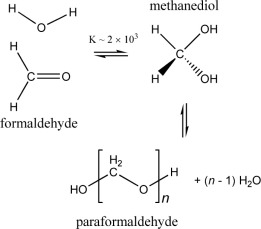
Formaldehyde is a colorless gas with a characteristic pungent odor that can be irritating to eyes, nose, and throat. It’s also known as formaline or formol. Its chemical formula is CH2O, and when dissolved in water at 37%, it’s commercially known as formaldehyde or formalin. The molecule has a planar structure with an atom of carbon at its center, surrounded by two hydrogen atoms and one oxygen atom.
2. What is Formaldehyde?
Formaldehyde is the simplest form of aldehydes, which are organic compounds that contain a carbonyl group (a functional group consisting of a carbon atom double-bonded to an oxygen atom). It’s also known as formaline or formol. The name “formaldehyde” comes from its resemblance to formalin, which is a mixture of formaldehyde and methanol.
3. Formaldehyde and Paraformaldehyde
Paraformaldehyde is another form of formaldehyde, which can be produced through the condensation reaction of three molecules of formaldehyde. This compound can exist as a gas at room temperature or in solid form as 1,3,5-triossano.
4. Where is Formaldehyde Used?
Formaldehyde solutions are commonly found in:
- Disinfectants for household use
- Textile industry for producing fabrics and textiles
- Laboratory settings for preserving biological samples
- Food and agriculture industries for sterilization and preservation
5. The Cancer Risk of Formaldehyde
While formaldehyde can be hazardous if ingested, it’s also been classified as a known human carcinogen by the International Agency for Research on Cancer (IARC). Prolonged exposure to formaldehyde fumes in industrial settings poses a higher risk. Formaldehyde has been found in various products and industries, including textiles, resins, plastics, and adhesives.
6. Formaldehyde in Vaccines
Formaldehyde is used as a preservative in some vaccines, such as the flu vaccine and the MMR vaccine (measles, mumps, and rubella vaccine). It’s also used in anatoxins, which are toxic substances that retain their immunogenic properties after detoxification.
7. Formaldehyde Alternatives
Many industries have started exploring alternative methods to formaldehyde, such as using natural preservatives or reducing the need for formaldehyde altogether. Some alternatives include:
- Natural preservatives like essential oils and plant extracts
- Bio-based adhesives made from renewable resources like cornstarch or sugarcane
- Formaldehyde-free textiles and fabrics
- Alternative disinfectants that are safer and more effective
8. Formaldehyde in Smaltis and Textiles
Formaldehyde is used in some paint formulations and adhesives due to its ability to bind well with various materials. In the textile industry, it’s often used to enhance stability of dyeing processes.
9. The Impact on Human Health
Prolonged exposure to formaldehyde can lead to a range of health issues, including:
- Irritation of eyes, nose, and throat
- Headaches and dizziness
- Skin irritation
10. Conclusion
While formaldehyde has some benefits in various industries, its risks should not be ignored. Understanding the uses, risks, and alternatives to formaldehyde is crucial for maintaining a healthy environment and ensuring our safety.
FAQs:
- Is formaldehyde safe?
- No, formaldehyde can be hazardous if ingested or inhaled.
- What are the health effects of formaldehyde exposure?
- Exposure to formaldehyde can cause irritation of eyes, nose, and throat, headaches, dizziness, skin irritation, and other health issues.
- Is formaldehyde used in all industries?
- No, formaldehyde is not used in every industry, but it’s commonly found in disinfectants, textile production, laboratory settings, and vaccine manufacturing.
- What are some alternative methods to formaldehyde?
- Natural preservatives, reducing the need for formaldehyde, using bio-based adhesives, and exploring other alternatives have been proposed.
- Can formaldehyde be removed from products containing it?
- Removing formaldehyde from products can be challenging due to its widespread use in various industries.
- How can I minimize my exposure to formaldehyde?
- Minimize your exposure by avoiding areas with high levels of formaldehyde fumes, using protective gear when working with formaldehyde-containing products, and opting for alternative methods whenever possible.
- Is formaldehyde a known human carcinogen?
- Yes, formaldehyde has been classified as a known human carcinogen by the International Agency for Research on Cancer (IARC).
- Can formaldehyde be found in food or drinking water?
- No, formaldehyde is not typically found in food or drinking water.


