
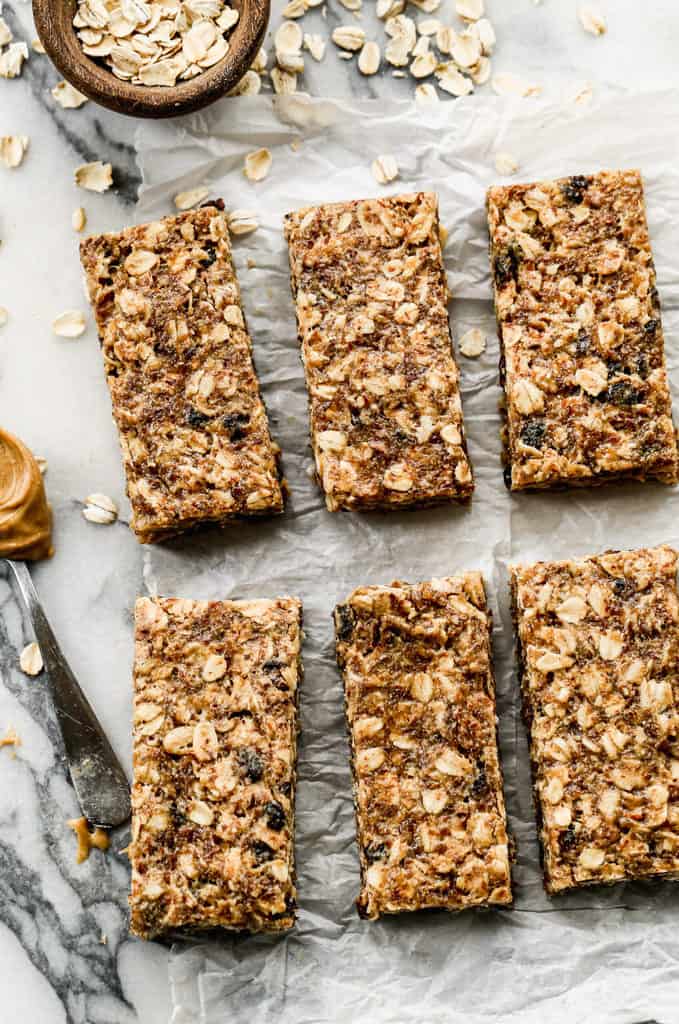
As the demand for protein-rich foods continues to grow, many people are turning to homemade protein bars as a convenient and healthy alternative to commercial products. But what exactly are protein bars, and how can they be used effectively? In this article, we’ll explore the benefits and risks of homemade protein bars, as well as provide a recipe and tips for making your own.
What Are Protein Bars?
Protein bars are nutrient-dense foods that contain high amounts of protein, often accompanied by other nutrients such as carbohydrates, fats, and vitamins. Unlike commercial protein powders, which can be isolated or processed, homemade protein bars typically include a combination of whole food ingredients like nuts, seeds, dried fruits, and protein sources like eggs, Greek yogurt, or legumes.
Benefits of Homemade Protein Bars
- Customization: By making your own protein bars, you can control the ingredients and nutritional content to suit your individual needs and preferences.
- Cost-effective: Making your own protein bars at home can be cheaper than buying commercial products, especially if you use whole food ingredients that are readily available.
- Convenience: Homemade protein bars can be made in bulk and stored for later use, making them a convenient snack option.
Risks of Homemade Protein Bars
- Unbalanced Nutrient Profile: If not planned carefully, homemade protein bars can become unbalanced in terms of macronutrients like carbohydrates, fats, and protein.
- Quality Control: When using whole food ingredients, there’s a risk of contamination or spoilage, which can affect the quality and safety of your homemade protein bars.
- Digestive Issues: Some people may experience digestive issues, such as bloating or stomach discomfort, due to certain ingredients in homemade protein bars.
Recipe: Homemade Protein Bars with Oats, Nuts, and Dried Fruit
Ingredients:
- 2 cups rolled oats
- 1 cup chopped nuts (almonds or walnuts)
- 1/2 cup dried fruit (cranberries or raisins)
- 1 scoop vanilla protein powder
- 1 tablespoon honey
- 1/4 teaspoon salt
Instructions:
- Preheat the oven to 350°F (180°C).
- In a large mixing bowl, combine oats, nuts, and dried fruit.
- Add protein powder, honey, and salt, and mix until well combined.
- Press mixture into a lined or greased 8×8-inch baking dish.
- Refrigerate for at least 30 minutes before cutting into bars.
Tips for Making Effective Homemade Protein Bars
- Choose Whole Food Ingredients: Opt for whole food ingredients like nuts, seeds, dried fruits, and protein sources to ensure your homemade protein bars are nutrient-dense.
- Balance Macronutrients: Aim for a balanced ratio of carbohydrates, fats, and protein in your homemade protein bars to support overall health and fitness goals.
- Store Properly: Store your homemade protein bars in an airtight container in the refrigerator or freezer to maintain freshness and safety.
Frequently Asked Questions
Q: Are homemade protein bars suitable for athletes?
A: Yes, homemade protein bars can be an effective way to support athletic performance and recovery, especially when made with nutrient-dense ingredients like nuts, seeds, and dried fruits.
Q: Can I use store-bought protein powder in my homemade protein bars?
A: While you can use store-bought protein powder, it’s recommended to opt for a high-quality, whole food-based option to ensure optimal nutrition and digestive health.
Q: How long do homemade protein bars last?
A: Homemade protein bars can last for several days to weeks when stored properly in an airtight container in the refrigerator or freezer.
Q: Can I customize my homemade protein bars with different flavors and ingredients?
A: Absolutely! Feel free to experiment with different flavor combinations and ingredients to create unique protein bar recipes that suit your taste preferences.
Additional Benefits of Homemade Protein Bars
- Customization for Special Diets: When making your own protein bars, you can tailor the recipe to accommodate specific dietary needs or restrictions, such as gluten-free, vegan, or low-carb.
- Reduced Added Sugars: By using natural sweeteners like honey or maple syrup in place of refined sugars, homemade protein bars can be a healthier alternative to commercial products.
- Increased Nutrient Density: Homemade protein bars can be made with nutrient-dense ingredients that provide a boost of vitamins, minerals, and antioxidants.
Common Mistakes to Avoid When Making Homemade Protein Bars
- Overusing Processed Ingredients: Be mindful of using too many processed ingredients like protein powder or sugary sweeteners, which can lead to an imbalanced nutritional profile.
- Not Using Fresh Ingredients: Freshness is key when making homemade protein bars, so ensure you use fresh nuts, seeds, and dried fruits for optimal flavor and texture.
- Not Storing Properly: Failure to store homemade protein bars properly can lead to spoilage or contamination, which can affect the quality and safety of your product.
Conclusion
Homemade protein bars offer a convenient and healthy alternative to commercial products, with the added benefits of customization, cost-effectiveness, and convenience. By understanding the risks and benefits associated with making your own protein bars, you can create recipes that cater to your individual needs and preferences. Remember to choose whole food ingredients, balance macronutrients, and store properly to ensure optimal nutrition and digestive health.
Additional Recipes and Variations
- Coconut Lime Protein Bars: Add shredded coconut and lime zest to the recipe for a refreshing and tropical flavor combination.
- Chocolate Chia Seed Protein Bars: Mix in chia seeds with cocoa powder and honey for a rich and indulgent treat.
- Peanut Butter Banana Protein Bars: Use peanut butter, banana, and oats for a creamy and satisfying protein bar.
Conclusion
Homemade protein bars are a versatile and nutritious snack option that can be tailored to suit your individual needs and preferences. By understanding the benefits and risks associated with making your own protein bars, you can create recipes that provide optimal nutrition and digestive health. Remember to choose whole food ingredients, balance macronutrients, and store properly to ensure success in making effective homemade protein bars.


