
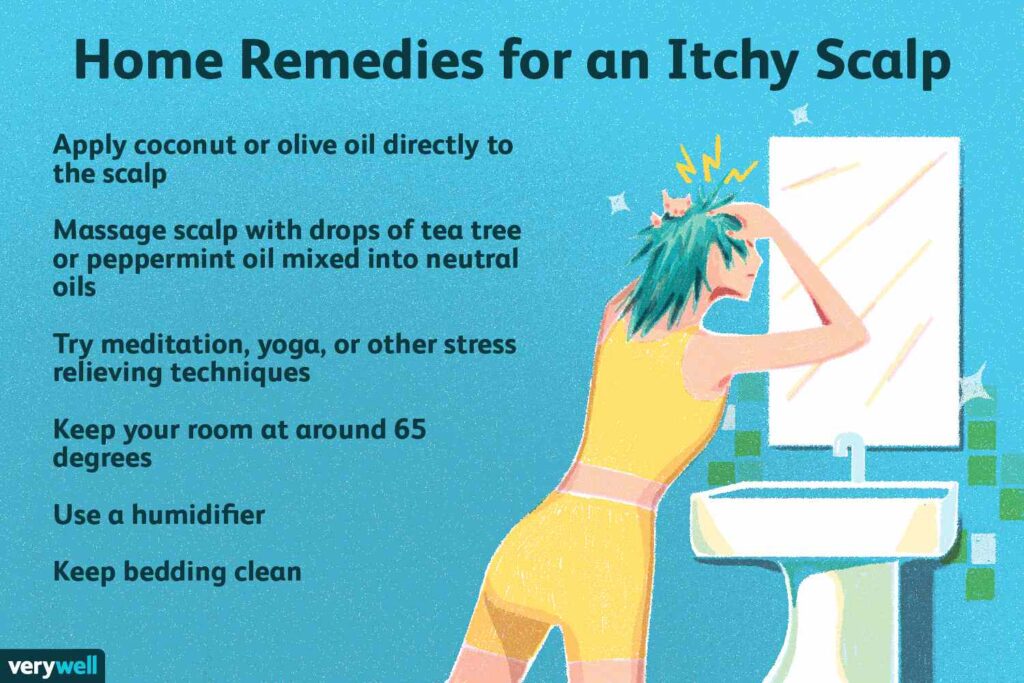
Have you ever experienced a persistent itch on the base of your scalp? You’re not alone. The itchy scalp can be caused by a variety of factors, including dry skin, irritation, and even underlying medical conditions.
In this article, we’ll delve into the causes of an itchy scalp, explore other symptoms beyond prurito, and provide natural remedies to soothe the discomfort. But before we dive in, let’s get one thing straight: resist the urge to scratch!
Understanding the Causes
The itchy scalp can be attributed to two main categories: endogenous and exogenous causes.
Endogenous causes refer to factors related to your body itself, such as:
- Genetic predisposition: Some people may be more prone to an itchy scalp due to their genetic makeup.
- Hormonal imbalances: Hormonal changes during pregnancy, menopause, or puberty can lead to skin issues, including an itchy scalp.
- Skin conditions like eczema, psoriasis, or dermatitis: These conditions can cause inflammation and itching on the scalp.
- Certain medical conditions, including diabetes, thyroid issues, or kidney disease: Underlying medical conditions can contribute to an itchy scalp.
On the other hand, exogenous causes are external factors that can trigger an itchy scalp, such as:
- Temperature changes: Changes in temperature can cause your skin to become dry and itchy.
- Exposure to harsh chemicals or soaps: Using harsh shampoos or detergents can strip your scalp of its natural oils, leading to dryness and itchiness.
- Low humidity or high humidity: Extreme humidity levels can cause your skin to become dry and itchy.
- Sun exposure: Prolonged sun exposure can lead to sunburn, redness, and itchiness on the scalp.
- Overuse of hair products or dyes: Using too many hair products or dyes can irritate your scalp and cause itchiness.
- Poor hygiene: Not washing your hair regularly enough can lead to oil buildup, which can cause itchiness and flakiness.
Symptoms Beyond Prurito
While prurito is the most common symptom, an itchy scalp can also manifest as:
- Dryness: If left untreated, dry skin on the scalp can become cracked and flaky.
- Redness: Irritation and inflammation can cause redness on the scalp.
- Scaling or flaking skin: In severe cases, itchiness can lead to scaling or flaking skin on the scalp.
- Sensitivity to touch or pressure: If your scalp is itchy, you may be more sensitive to touch or pressure.
- Pain or discomfort: In some cases, an itchy scalp can cause pain or discomfort.
- Hair loss: In severe cases, itchiness and inflammation can lead to hair loss.
Natural Remedies for Itchy Scalp
Before seeking medical attention, try these natural remedies to alleviate the itchiness and discomfort:
- Keep your scalp clean: Wash your hair with a gentle shampoo twice a week.
- Reduce stress: Practice relaxation techniques like meditation or deep breathing exercises.
- Stay hydrated: Drink plenty of water to keep your skin hydrated from the inside out.
- Avoid harsh chemicals: Use natural products and avoid exposure to chemicals that can irritate your scalp.
- Get enough sleep: Aim for 7-8 hours of sleep per night to help regulate stress hormones.
Prescription-Strength Remedies
If natural remedies don’t work, consider the following prescription-strength options:
- Shampoos and conditioners: Use medicated shampoos or conditioners specifically formulated for itchy scalps.
- Topical corticosteroids: Apply creams or ointments containing hydrocortisone to reduce inflammation and itching.
When to See a Dermatologist
If your itchy scalp persists, worsens, or is accompanied by other symptoms like hair loss, redness, or pain, consult a dermatologist for personalized guidance. They can help you determine the underlying cause of your itchy scalp and recommend appropriate treatment options.
In addition to these natural remedies and prescription-strength treatments, there are several lifestyle changes you can make to prevent itchiness on your scalp:
- Eat a balanced diet: A healthy diet rich in fruits, vegetables, whole grains, and lean proteins can help support skin health.
- Exercise regularly: Regular exercise can improve circulation and reduce stress.
- Manage stress: Practice relaxation techniques like meditation or deep breathing exercises to manage stress.
- Avoid smoking: Smoking can damage your skin and lead to itchiness on the scalp.
By understanding the causes of an itchy scalp, exploring other symptoms beyond prurito, and trying natural remedies and prescription-strength treatments, you can find relief from this uncomfortable symptom. Don’t hesitate to seek medical attention if your itchy scalp persists or worsens over time.
If you are experiencing any of the following symptoms, please seek medical attention immediately:
- Fever above 101.5 degrees Fahrenheit
- Redness or swelling on the scalp that spreads beyond the affected area
- Hair loss or thinning due to itching or scratching
- A rash or blister on the scalp


