
Introduction
If you’re interested in growing your own Indian fig tree, also known as Opuntia ficus-indica, you’ve come to the right place. Native to the Americas, this prickly pear cactus has become a popular ornamental plant in many parts of the world, including Italy. Not only is it easy to care for and maintain, but its edible fruits and leaves can be enjoyed fresh or used in traditional medicine.
Content
1. Understanding the Indian Fig Tree
Before we dive into growing and harvesting your own Indian fig tree, let’s take a closer look at this fascinating plant. Native to the Americas, Opuntia ficus-indica has been naturalized in many parts of the world, including Italy. Its small, edible fruits are rich in vitamins, minerals, and antioxidants.
2. Choosing the Right Location
When it comes to growing your Indian fig tree, choosing the right location is crucial. Consider the amount of sunlight and water your plant will receive. If you’re planting indoors, ensure that the container has good drainage holes to prevent root rot.
Factors to Consider:
- Sunlight: Indian fig trees prefer full sun to partial shade. Avoid placing the tree in areas with too much direct sunlight, as it can cause the leaves to become scorched.
- Water: Indian fig trees are drought-tolerant but require consistent moisture, especially when they’re producing fruit. Make sure the soil drains well and avoid overwatering.
- Wind: If you live in an area with strong winds, consider providing protection for your tree to prevent damage.
3. Soil Preparation
The soil should be well-draining and have a slightly acidic pH. Mix a potting soil with perlite or sand for better drainage. Avoid using regular garden soil, as it can compact and prevent proper drainage.
Tips for Preparing the Soil:
- Test the pH: Use a pH test kit to determine the acidity level of your soil.
- Add Organic Matter: Mix in compost or well-rotted manure to improve soil fertility and structure.
- Use a Well-Draining Mix: Combine potting soil with perlite or sand for optimal drainage.
4. Planting Methods
There are three main ways to plant your Indian fig tree: from seed, by cutting (talea), or purchasing a young sapling. If you choose to grow from seed, ensure that the seeds are fresh and have been properly sterilized. Cutting can be more challenging, but it’s a great way to propagate new plants.
Planting Methods:
- From Seed: Plant seeds in a well-draining mix with a temperature of around 70-80°F (21-27°C).
- By Cutting: Take a healthy segment from the parent plant and plant it in a pot filled with a well-draining mix.
- Purchasing a Young Sapling: Buy a young Indian fig tree from a reputable nursery or online supplier.
5. Watering and Fertilization
Water your Indian fig tree sparingly, as overwatering can lead to root rot. Allow the soil to dry slightly between waterings. Fertilize sparingly during the growing season (spring-fall), using a balanced fertilizer at half the recommended strength.
Tips for Watering:
- Check the Soil Moisture: Stick your finger into the soil up to the first knuckle, and if the soil feels dry, it’s time to water.
- Avoid Overwatering: Don’t waterlog the soil, as this can cause root rot.
- Use a Well-Draining Mix: Combine potting soil with perlite or sand for optimal drainage.
Tips for Fertilization:
- Use a Balanced Fertilizer: Choose a balanced fertilizer (10-10-10 NPK) and use it at half the recommended strength during the growing season.
- Avoid Overfertilizing: Don’t fertilize your Indian fig tree too frequently, as this can cause more harm than good.
6. Pruning and Training
Prune your Indian fig tree regularly to maintain its shape and promote healthy growth. Remove any damaged or diseased segments, and train the plant to grow upright by applying gentle pressure with your hands or a soft brush.
Tips for Pruning:
- Remove Dead or Damaged Segments: Cut off any dead or damaged segments to prevent disease and encourage new growth.
- Shape the Tree: Prune the tree to maintain its shape and promote healthy growth.
- Train the Tree: Use gentle pressure to train the tree to grow upright.
7. Pest and Disease Management
Regularly inspect your Indian fig tree for signs of pests or diseases, such as mealybugs, spider mites, or root rot. Use organic pest control methods whenever possible, and treat infected areas promptly to prevent further damage.
Tips for Managing Pests:
- Inspect the Tree Regularly: Check the tree regularly for signs of pests or diseases.
- Use Organic Methods: Use organic pest control methods whenever possible.
- Treat Infected Areas Promptly: Treat any infested areas promptly and thoroughly to prevent further damage.
Tips for Managing Diseases:
- Identify the Disease: Identify the disease correctly before treating it.
- Use Fungicides: Use fungicides as needed to treat fungal diseases.
- Remove Affected Segments: Remove any affected segments to prevent the spread of disease.
8. Harvesting Fruits and Leaves
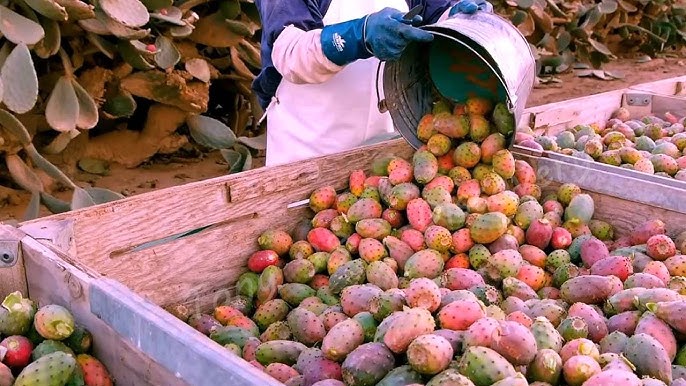
The edible fruits (fichi d’India) can be harvested when they’re fully ripe. Simply twist the fruit gently off the stem, taking care not to damage the plant. For medicinal purposes, use only mature leaves or young shoots, as they contain high levels of antioxidants.
Tips for Harvesting:
- Check for Ripeness: Check the fruits regularly for ripeness.
- Harvest Gently: Twist the fruit gently off the stem, taking care not to damage the plant.
- Use Mature Leaves or Young Shoots: Use only mature leaves or young shoots for medicinal purposes.
9. Tips for Success
Here are some final tips to ensure your Indian fig tree thrives:
- Provide Support: Provide support for the plant as it grows, using a stake or trellis if necessary.
- Mulch Around the Base: Mulch around the base of the plant to retain moisture and suppress weeds.
- Harvest Regularly: Harvest fruits regularly to encourage continued production.
10. Conclusion
Growing an Indian fig tree is easier than you might think! By following these simple steps and providing proper care, you can enjoy delicious fruits, beautiful flowers, and medicinal benefits all year round.
Frequently Asked Questions
- Q: Can I grow an Indian fig tree indoors?
A: Yes, but ensure that the container has good drainage holes to prevent root rot. - Q: How often should I water my Indian fig tree?
A: Water sparingly, allowing the soil to dry slightly between waterings. - Q: Can I eat the leaves and fruits of an Indian fig tree?
A: Yes, but only mature leaves or young shoots are safe for consumption. - Q: How can I control pests and diseases on my Indian fig tree?
A: Regularly inspect your plant, use organic pest control methods whenever possible, and treat infected areas promptly. - Q: Can I propagate an Indian fig tree from cuttings?
A: Yes, by cutting (talea), but ensure that the segment is taken from a healthy area of the plant. - Q: How long does it take for an Indian fig tree to produce fruits?
A: Fruits typically mature within 1-2 years after planting, depending on factors such as climate and care. - Q: Can I use my Indian fig tree for medicinal purposes?
A: Yes, but only use mature leaves or young shoots, as they contain high levels of antioxidants. Consult with a healthcare professional before using any herbal remedies.
Further Reading
For more information on growing and harvesting Indian fig trees, consult the following resources:


