
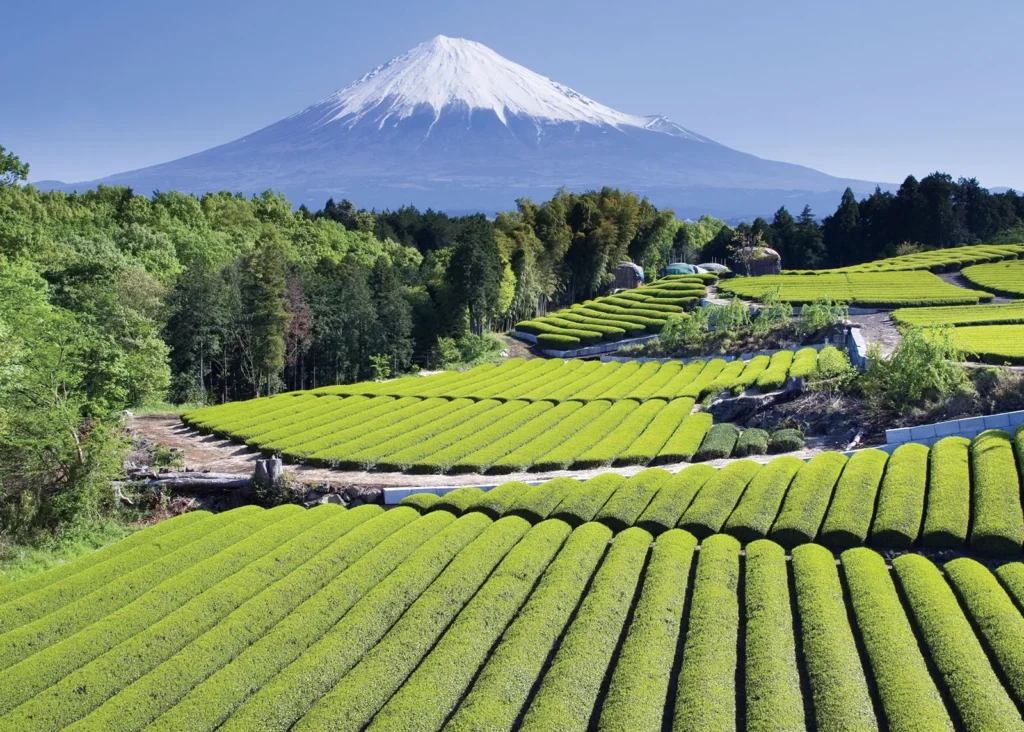
Tea is one of the most popular beverages globally, with a rich history dating back centuries. The plant that gives us tea is called Camellia sinensis, a species of shrub or small tree native to Asia. In this article, we’ll delve into the world of tea plants, cultivation, and explore the various types of teas available.
Understanding the Science Behind Tea
Tea is more than just a drink; it’s a complex process that involves several steps, including harvesting, processing, and brewing. The type of tea produced depends on the variety used, the methods employed during processing, and the age of the leaves. In this section, we’ll explore the science behind tea production.
The Different Types of Tea Plants
There are two main varieties of Camellia sinensis used for tea production: Camellia sinensis var. sinensis and Camellia sinensis var. assamica. These two varieties are further divided into numerous cultivars, much like the different types of apples you might find at your local market.
Some popular cultivars include Benifuuki, Fushun, Kanayamidori, Meiryoku, Saemidori, Okumidori, and Yabukita. These cultivars are grown in Japan, where tea has been an integral part of the culture for centuries. In contrast, Western countries like the UK and Scotland have also adopted tea cultivation, albeit on a smaller scale.
The Process of Tea Production
Tea production involves several steps, including harvesting, processing, and brewing. The type of tea produced depends on the variety used, the methods employed during processing, and the age of the leaves.
Here are some common types of teas:
• Green tea: made from young tea leaves
• Black tea: made from older tea leaves that have undergone oxidation
• Oolong tea: partially oxidized tea leaves
• White tea: made from young tea buds and silvery white in color
• Pu-erh tea: fermented tea leaves
• Matcha: finely ground green tea powder
Each type of tea has its unique characteristics, flavor profiles, and health benefits.
Cultivating Tea Plants
Tea plants are typically grown in regions with high humidity and temperatures between 127°F and 180°F. They require full sun and well-draining soil to thrive. While tea plants can be grown in cooler climates like the UK and Scotland, they tend to produce less and grow more slowly.
To cultivate a tea plant, you’ll need to:
- Plant a seedling or seed
- Provide sufficient sunlight and water
- Fertilize regularly
- Prune the plant annually
Sourcing Tea Plants
If you’re interested in growing your own tea plants, you can purchase seeds or seedlings from reputable suppliers like Amazon. When choosing a supplier, ensure they provide high-quality seeds or seedlings that are disease-free and suitable for your climate.
Factors to Consider When Cultivating Tea Plants
Before cultivating tea plants, consider the following factors:
- Climate: Tea plants require specific temperatures and humidity levels to thrive.
- Soil: Tea plants prefer well-draining soil with a pH between 5.5 and 6.5.
- Watering: Tea plants need consistent moisture, but overwatering can be detrimental.
- Pest control: Tea plants are susceptible to pests like aphids, whiteflies, and spider mites.
Common Problems When Cultivating Tea Plants
When cultivating tea plants, you may encounter the following problems:
- Lack of sunlight: Tea plants need at least six hours of direct sunlight per day.
- Insufficient water: Tea plants require consistent moisture to thrive.
- Pests and diseases: Regularly inspect your plants for signs of pests or diseases.
Conclusion
Tea is more than just a drink; it’s a complex process that involves several steps, including harvesting, processing, and brewing. By understanding the science behind tea production, you can appreciate the effort that goes into creating this beloved beverage. Whether you’re a seasoned tea enthusiast or just starting your tea journey, there’s always something new to learn and discover.
Frequently Asked Questions
- What is the best way to store tea leaves?
- Store tea leaves in an airtight container away from direct sunlight and moisture.
- Can I grow my own tea plants at home?
- Yes, you can grow your own tea plants at home with proper care and attention.
- What is the difference between green tea and black tea?
- Green tea is made from young tea leaves that have not undergone oxidation, while black tea is made from older tea leaves that have been oxidized.
- Is tea good for my health?
- Tea contains antioxidants and other nutrients that may help protect against certain diseases. However, more research is needed to fully understand its health benefits.
- How do I brew the perfect cup of tea?
- The best way to brew tea depends on the type of tea you’re using. Generally, use filtered water, heat the water to the optimal temperature for your tea, and steep for the recommended amount of time.
By answering these questions and exploring the world of tea plants, cultivation, and production, you’ll become a more knowledgeable and appreciative tea enthusiast.
Advanced Tea Topics
For those interested in learning more about tea production, here are some advanced topics to explore:
- Tea oxidation: Tea oxidation is a crucial step in producing different types of teas. Understanding the process can help you appreciate the nuances of each type of tea.
- Tea fermentation: Fermentation is an essential step in producing pu-erh tea. Understanding the process can help you appreciate the unique flavor profile of this type of tea.
- Tea blending: Tea blending involves combining different types of teas to create a unique flavor profile. Understanding the art of blending can help you experiment with new flavors and combinations.
By exploring these advanced topics, you’ll gain a deeper understanding of the complex process involved in producing tea and appreciate the nuances of each type of tea available.
Conclusion
Tea is more than just a drink; it’s a cultural phenomenon with a rich history and diverse types of teas available. By understanding the science behind tea plants, cultivation, and production, you can appreciate the effort that goes into creating this beloved beverage. Whether you’re a seasoned tea enthusiast or just starting your tea journey, there’s always something new to learn and discover.
References
- “The Tea Encyclopedia” by Thomas F. Kelly: A comprehensive guide to tea plants, cultivation, and production.
- “The Art of Tea” by Kenji Ekuan: A detailed exploration of the art of tea-making and the cultural significance of tea in different societies.
- “Tea for All” by David P. Mudge: A comprehensive guide to tea production, including information on cultivation, processing, and brewing.
By consulting these references, you’ll gain a deeper understanding of the complex process involved in producing tea and appreciate the nuances of each type of tea available.
Conclusion
In conclusion, tea is more than just a drink; it’s a complex process that involves several steps, including harvesting, processing, and brewing. By understanding the science behind tea plants, cultivation, and production, you can appreciate the effort that goes into creating this beloved beverage. Whether you’re a seasoned tea enthusiast or just starting your tea journey, there’s always something new to learn and discover.
I hope you found this comprehensive guide to tea plants, cultivation, and more informative and helpful. If you have any questions or topics you’d like us to cover in the future, please don’t hesitate to reach out.


