
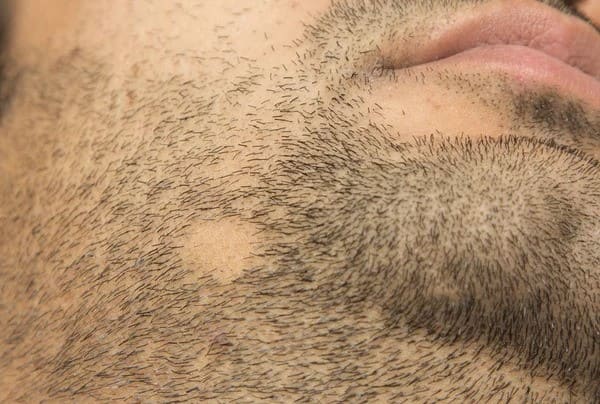
Alopecia barbae, also known as patchy hair loss, is a common condition where the hair on the chin, cheeks, and neck area stops growing. In this article, we will delve into the causes, cures, and effective treatments for alopecia barbae, as well as explore some natural remedies that may help.
What is Alopecia Barbae?
Alopecia barbae is a type of hair loss that occurs when the immune system mistakenly attacks the hair follicles in the chin, cheeks, and neck area. This can lead to inflammation and hair loss in these areas. It is often associated with alopecia areata, which is an autoimmune condition where the body’s immune system attacks healthy hair follicles.
Causes of Alopecia Barbae
While the exact cause of alopecia barbae is still unknown, research suggests that it may be linked to a combination of genetic and environmental factors. Some people may be more prone to developing this condition due to their genetic makeup or other health issues. In some cases, alopecia barbae can be associated with other autoimmune conditions such as lupus, rheumatoid arthritis, and thyroid problems.
Types of Alopecia Barbae
There are different types of alopecia barbae, including:
- Localized alopecia: This type of hair loss occurs in a specific area, usually the chin or cheeks.
- Generalized alopecia: This type of hair loss affects multiple areas of the body, including the face, neck, and scalp.
Symptoms of Alopecia Barbae
The symptoms of alopecia barbae can vary depending on the individual. Some common symptoms include:
- Hair loss in the chin, cheeks, and neck area
- Inflammation and redness in the affected areas
- Itching or irritation in the skin
Treatment Options for Alopecia Barbae
While there is no cure for alopecia barbae, there are some effective treatments that can help manage the condition. These include:
- Topical corticosteroids: These creams or ointments can be applied to the affected areas to reduce inflammation and promote hair growth.
- Immunotherapy: This involves applying allergens or immunomodulators to the skin to stimulate an immune response and promote hair growth.
- Minoxidil: This is a topical solution that can help stimulate hair growth and slow down hair loss.
Natural Remedies for Alopecia Barbae
In addition to medical treatments, there are some natural remedies that may help manage alopecia barbae. These include:
- Olive oil massage: Massaging olive oil into the scalp and skin can help promote hair growth and reduce inflammation.
- Aloe vera gel: Applying aloe vera gel to the affected areas can help soothe and calm the skin, promoting hair growth.
- Coconut oil: Coconut oil has antifungal and antibacterial properties that can help soothe and heal the skin, promoting hair growth.
Dietary Changes for Alopecia Barbae
In addition to medical treatments and natural remedies, making dietary changes may also be beneficial in managing alopecia barbae. These include:
- Increasing omega-3 fatty acids: Omega-3 fatty acids can help promote hair growth and reduce inflammation.
- Eating foods rich in antioxidants: Foods rich in antioxidants such as berries, leafy greens, and other fruits and vegetables can help protect the skin from damage and promote hair growth.
- Drinking plenty of water: Drinking plenty of water is essential for maintaining healthy skin and promoting hair growth.
Stress Management Techniques
Stress management techniques may also be beneficial in managing alopecia barbae. These include:
- Meditation: Meditation can help reduce stress and promote relaxation.
- Yoga: Yoga can help reduce stress and promote flexibility and balance.
- Deep breathing exercises: Deep breathing exercises can help reduce stress and promote relaxation.
Conclusion
Alopecia barbae is a common condition that affects millions of people worldwide. While there is no cure for this condition, there are some effective treatments and natural remedies that can help manage it. If you are experiencing symptoms of alopecia barbae, it’s essential to consult with a dermatologist or healthcare professional to determine the best course of treatment.
Frequently Asked Questions (FAQs)
- What is the cause of alopecia barbae?
Alopecia barbae is an autoimmune condition where the immune system mistakenly attacks healthy hair follicles in the chin, cheeks, and neck area. - How common is alopecia barbae?
Alopecia barbae affects millions of people worldwide, with a prevalence rate of 1-3% in the general population. - Can alopecia barbae be cured?
While there is no cure for alopecia barbae, there are some effective treatments and natural remedies that can help manage the condition. - What are the symptoms of alopecia barbae?
The symptoms of alopecia barbae include hair loss in the chin, cheeks, and neck area, inflammation, and redness in the affected areas. -
How long does it take to treat alopecia barbae?
Treatment for alopecia barbae can vary depending on the individual and the severity of the condition. In some cases, treatment may last several months or even years. -
Can alopecia barbae be treated with medication?
Yes, there are several medications that can help treat alopecia barbae, including topical corticosteroids, immunotherapy, and minoxidil. -
Are there any natural remedies for alopecia barbae?
Yes, there are several natural remedies that may help manage alopecia barbae, including olive oil massage, aloe vera gel, and other herbal remedies. -
Can alopecia barbae be prevented?
While it is not possible to completely prevent alopecia barbae, maintaining good overall health and reducing stress can help reduce the risk of developing this condition.


