
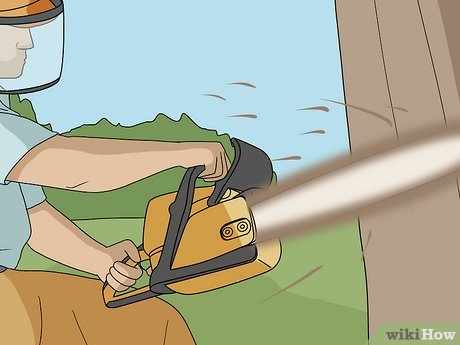
As we’ll explore in this article, using a chainsaw safely is crucial to avoid injuries and achieve optimal results. To do so, it’s essential to understand how to use the tool correctly, wear appropriate protective gear, and follow proper maintenance procedures.
Getting the Right Gear
Before we dive into the nitty-gritty of chainsaw usage, let’s talk about the importance of proper attire. Wearing the right clothes can significantly reduce the risk of accidents.
Protective Clothing
To prevent injuries, it’s essential to wear protective clothing specifically designed for chainsaw use. Here are some must-haves:
- Pants with Kevlar lining: These pants feature a built-in lining that provides excellent protection against cuts and abrasions.
- Steel-toed boots: Boots with steel toes can help prevent injuries from heavy objects or tools.
- Safety glasses: Safety glasses protect your eyes from debris, sawdust, and other potential hazards.
- Earmuffs or earplugs: Hearing protection is vital when using a chainsaw to avoid permanent damage to your hearing.
Additional Accessories
In addition to the essential protective gear, consider investing in the following accessories:
- Anti-vibration gloves: These gloves help reduce vibrations from the saw, making it easier to handle and reducing fatigue.
- Carabiner or ankle strap: A carabiner or ankle strap can be attached to your belt or pants leg, providing an extra layer of safety.
Safety Precautions
Remember, safety should always be your top priority when using a chainsaw. Here are some additional precautions to keep in mind:
- Never wear loose clothing: Loose clothing can get caught in the saw blade, causing serious injury.
- Avoid wearing jewelry: Jewelry can get caught in the saw or debris, leading to accidents.
Getting Started with Your Chainsaw
Now that we’ve covered the basics of safety and protective gear, let’s move on to getting started with your chainsaw. Here are some steps to follow:
Step 1: Choosing the Right Location
When selecting a location for your chainsaw operation, make sure it’s safe and free from obstacles.
- Avoid working near power lines: Power lines can conduct electricity, posing a significant risk to you and others nearby.
- Clear the area of debris: Remove any debris or obstacles that could cause accidents.
Step 2: Preparing Your Chainsaw
Before you start using your chainsaw, make sure it’s properly maintained.
- Check the oil level: Ensure the saw has enough oil to run smoothly.
- Lubricate the chain: Regularly lubricating the chain can help prevent wear and tear.
Step 3: Starting Your Chainsaw
To start your chainsaw safely, follow these steps:
- Follow the manufacturer’s instructions: Each saw model may have unique starting procedures. Be sure to consult the manual for specific guidelines.
- Use proper body positioning: Keep your body positioned correctly when starting the saw to avoid accidents.
Step 4: Operating Your Chainsaw
Once you’ve started your chainsaw, here are some key operating tips:
- Keep the chain sharp: A dull chain can cause the saw to bind or break.
- Use proper cutting techniques: Avoid applying too much pressure, as this can cause the saw to kick back.
Step 5: Stopping Your Chainsaw
When you need to stop your chainsaw, follow these steps:
- Turn off the engine: Shut off the engine before attempting to stop.
- Allow the chain to slow down: Give the chain time to slow down naturally.
Regular Maintenance
To ensure your chainsaw operates safely and efficiently, regular maintenance is essential. Here are some tasks to perform:
Weekly Checks
Perform these weekly checks to identify potential issues:
- Check the oil level: Ensure the saw has enough oil to run smoothly.
- Lubricate the chain: Regularly lubricating the chain can help prevent wear and tear.
Monthly Inspections
Perform these monthly inspections to catch any problems early:
- Inspect the chain: Check for signs of wear, such as dents or rust.
- Check the bar: Ensure the bar is securely attached.
Additional Tips
Here are some additional tips to keep in mind when using a chainsaw:
- Use proper posture: Keep your back straight and your body positioned correctly.
- Take regular breaks: Avoid fatigue by taking breaks every 30 minutes.
- Store the saw properly: Always store the saw in a secure location, out of reach of children.
Frequently Asked Questions
Here are some frequently asked questions about chainsaw usage:
Q: What is the best way to start a chainsaw?
A: Follow the manufacturer’s instructions and use proper body positioning when starting the saw.
Q: How often should I sharpen my chain?
A: Regularly sharpening your chain can help prevent wear and tear. Aim to sharpen every 10-20 hours of use.
Q: What is the most common cause of chainsaw accidents?
A: The most common causes of chainsaw accidents include:
- Not wearing protective gear
- Using a dull chain
- Applying too much pressure
Conclusion
Using a chainsaw safely requires attention to detail, proper training, and adherence to best practices. By wearing protective gear, following manufacturer instructions, and performing regular maintenance checks, you can minimize risks and achieve optimal results.
Additionally, staying up-to-date with industry developments and participating in professional development opportunities can also help ensure your safety and effectiveness.


