
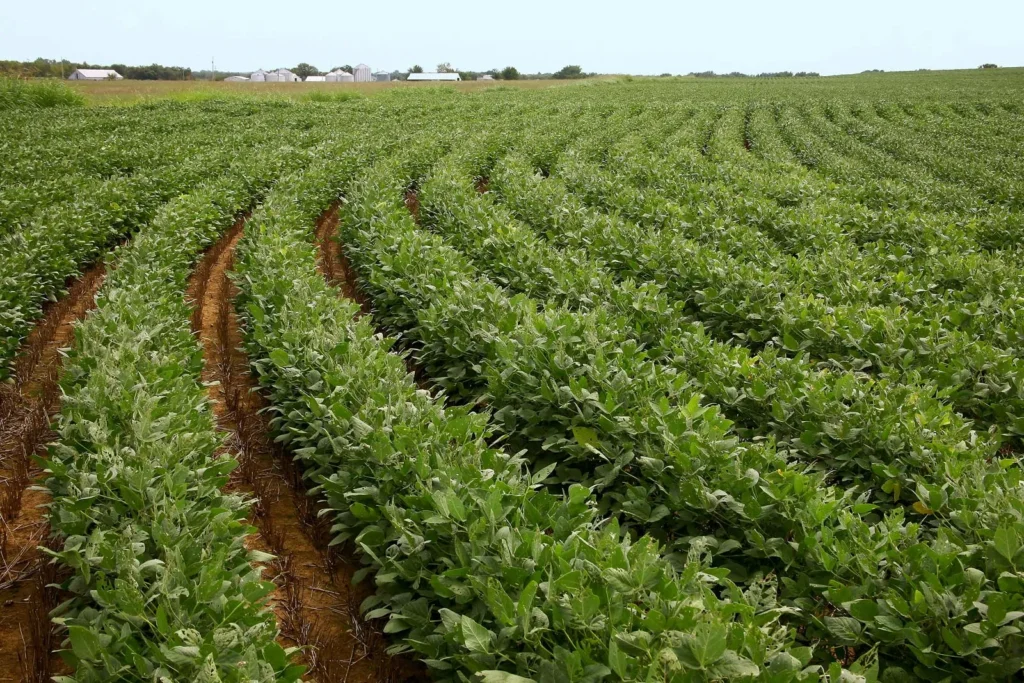
Soybeans are one of the most widely cultivated legumes globally, with a growing demand in both domestic and international markets. As the world shifts towards more sustainable agricultural practices, soybean cultivation has become an increasingly popular choice for farmers worldwide.
Introduction
The rise of soybean cultivation can be attributed to several factors, including increasing global demand for protein-rich feedstocks, improved agricultural technology, and environmental concerns. Soybeans are a versatile crop that can thrive in various climatic conditions and soil types, making them an attractive option for farmers looking to diversify their crops.
Climate and Soil Requirements
Soybeans can be grown in any region with a temperate or subtropical climate, making them suitable for cultivation in many parts of the world. The ideal temperature range for soybean cultivation is between 20°C to 30°C (68°F to 86°F). While temperatures above 40°C (104°F) are tolerable, yields may decrease due to heat stress.
History of Soybean Cultivation in Italy
Soybean cultivation in Italy dates back to the 1980s. Initially, soybeans were grown as a niche crop for animal feed and human consumption. However, over the years, Italian farmers have increasingly adopted soybean cultivation as a profitable venture, driven by market demand and government incentives.
Water Requirements and Challenges
One of the major challenges facing soybean farmers is water management. Soybeans require significant amounts of water, especially during the cultivation phase. If not managed properly, this can lead to increased irrigation costs, which far outweighs the crop’s revenue. In arid regions, water scarcity can be a significant constraint on soybean production.
Is Soybean Cultivation Profitable?
Soybean cultivation has become increasingly profitable for farmers due to factors such as high market demand and relatively low production costs. However, careful consideration must be given to factors such as soil preparation, irrigation management, and pest control to ensure the success of this crop.
Costs Associated with Soybean Cultivation
Based on a model used in Emilia-Romagna, the direct costs of soybean cultivation amount to €874 per hectare. The majority of this expenditure is attributed to seeding and harvesting. Indirect costs such as maintenance, taxes, and administrative fees add an additional €502 per hectare to the total cost.
Indirect Costs and Considerations
In addition to direct costs, farmers must also consider indirect expenses such as:
- Maintenance: Regular maintenance of equipment, machinery, and farm infrastructure is essential for efficient soybean cultivation.
- Taxes: Farmers are required to pay taxes on their agricultural income, which can vary depending on the region and local regulations.
- Administrative fees: Farmers must also pay administrative fees for services such as crop insurance, land registration, and accounting.
Initial Investment Costs
The initial investment for starting a soybean cultivation project can range from €1046 per hectare, accounting for seeding, harvesting, and other expenses. This cost is offset by the European Union’s “Premium Unico,” which amounts to €330 per hectare.
Semination and Planting Practices
When choosing the right time for planting, farmers should consider the soil temperature. Soybeans are typically planted when the soil temperature is above 10°C (50°F). A recommended depth of 2-4 cm (0.8-1.6 in) is used for sowing, with a specific seed density varying depending on the variety.
Seed Varieties and Recommendations
Different soybean varieties have unique characteristics suited to different regions. Some popular choices include:
- Eiko (Agroqualità): This variety is known for its high yields and resistance to disease.
- Ascasubi (SIS): Ascasubi is a popular choice in Italy, offering high-quality protein-rich soybeans.
- Bahia (SIS): Bahia is another well-established soybean variety in Italy, suitable for both animal feed and human consumption.
- Nikko (Agroquality): Nikko is a versatile soybean variety that can thrive in various climates and soil types.
Soil-Free Soybeans: A Misconception?
Some people may be under the impression that soybeans can thrive without soil. However, this is not accurate. The term “soy-free” refers to a different legume altogether – Vigna radiata, commonly known as mung beans or green gram.
Conclusion
Soybean cultivation has become increasingly popular due to its potential for high yields and profitability. However, careful consideration must be given to factors such as water management and soil preparation to ensure the success of this crop. By understanding the costs associated with soybean cultivation, farmers can make informed decisions about their agricultural ventures.
Frequently Asked Questions (FAQs)
- What is the ideal temperature range for soybean cultivation?
Soybeans can be grown in any region with a temperate or subtropical climate. The ideal temperature range for soybean cultivation is between 20°C to 30°C (68°F to 86°F). - Can soybeans be grown in any region with a temperate or subtropical climate?
Yes, soybeans can thrive in various climatic conditions. - How much water do soybeans require during cultivation?
Soybeans require significant amounts of water, especially during the cultivation phase. - What are some popular seed varieties for different regions?
Some popular soybean varieties include Eiko (Agroqualità), Ascasubi (SIS), Bahia (SIS), and Nikko (Agroquality). - Is it true that soybeans can thrive without soil?
No, the term “soy-free” refers to a different legume altogether – Vigna radiata, commonly known as mung beans or green gram. - What is the cost of starting a soybean cultivation project?
The initial investment for starting a soybean cultivation project can range from €1046 per hectare. - How long does the initial investment for soybean cultivation last?
The initial investment can be recouped within 2-3 years, depending on market conditions and crop yields. - Are there any additional expenses associated with soybean cultivation beyond direct and indirect costs?
Yes, farmers must also consider maintenance, taxes, administrative fees, and other indirect costs when calculating the total cost of soybean cultivation.
By understanding these factors, farmers can make informed decisions about their agricultural ventures and capitalize on the growing demand for soybeans in both domestic and international markets.


