
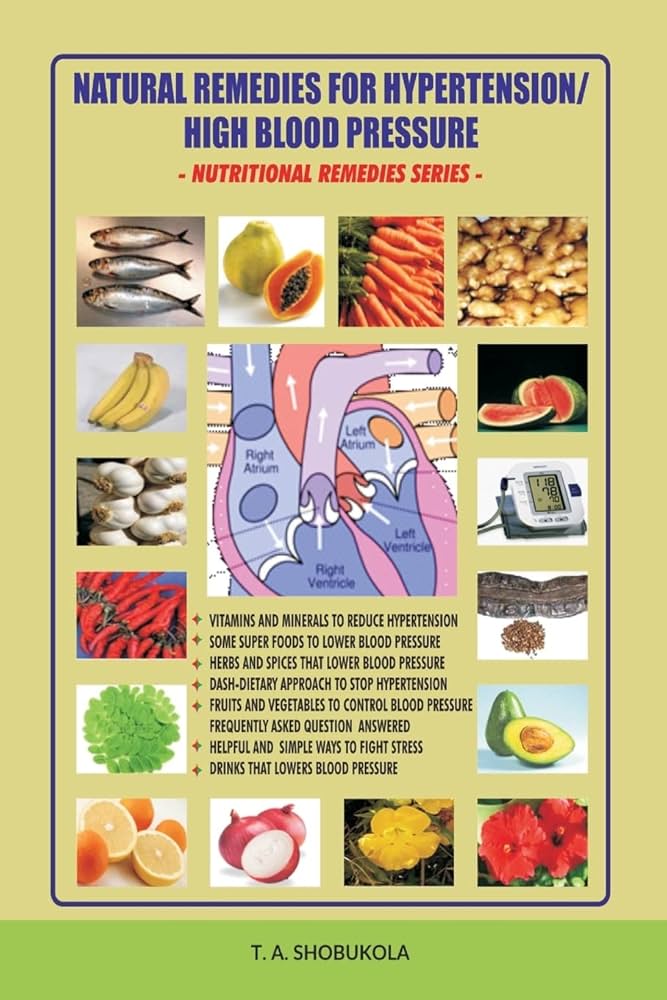
High blood pressure, also known as hypertension, is a silent killer that affects millions of people worldwide. According to the Centers for Disease Control and Prevention (CDC), high blood pressure is the leading cause of stroke, heart attack, and kidney disease. In this article, we will explore the benefits of natural remedies in managing high blood pressure and provide practical tips on how to incorporate them into your lifestyle.
Understanding High Blood Pressure
High blood pressure occurs when the force of blood against the walls of arteries becomes too great, leading to cardiovascular damage. The American Heart Association (AHA) defines high blood pressure as a reading of 140/90 mmHg or higher. If left untreated, high blood pressure can lead to serious health complications, including heart attack, stroke, and kidney disease.
The Importance of Lifestyle Changes
While medication is often the first line of treatment for high blood pressure, lifestyle changes are crucial in managing the condition. The American Heart Association recommends making the following changes:
- Eating a healthy, balanced diet
- Regular physical activity
- Maintaining a healthy weight
- Limiting alcohol consumption
Natural Remedies for High Blood Pressure
In addition to lifestyle changes, natural remedies can help lower blood pressure and improve overall health. Some of the most effective natural remedies include:
- Potassium-rich foods: Potassium helps balance sodium levels in the body, which can contribute to high blood pressure. Include potassium-rich foods like bananas, leafy greens, and sweet potatoes in your diet.
- Omega-3 fatty acids: Omega-3 fatty acids found in fish oil supplements can help reduce inflammation and improve blood vessel function.
- Coenzyme Q10 (CoQ10): CoQ10 is an antioxidant that helps generate energy in cells. It has been shown to lower blood pressure in some studies.
- Herbal teas: Certain herbal teas, such as hibiscus tea, may help lower blood pressure due to their potassium and flavonoid content.
Physical Activity and Exercise
Regular physical activity is essential for managing high blood pressure. Aim for at least 150 minutes of moderate-intensity aerobic exercise per week, or 75 minutes of vigorous-intensity aerobic exercise. Additionally, incorporate strength training exercises into your routine to build muscle mass.
Monitoring Blood Pressure
Monitoring blood pressure regularly can help you identify any changes and make adjustments to your lifestyle as needed. You can use a home blood pressure monitor or visit your healthcare provider for regular check-ups.
Common Causes of High Blood Pressure
Certain factors can increase your risk of developing high blood pressure, including:
- Age: The risk of high blood pressure increases with age.
- Family history: If you have a family history of high blood pressure, you are more likely to develop the condition.
- Sodium intake: Consuming high amounts of sodium can lead to high blood pressure.
- Physical inactivity: A sedentary lifestyle can contribute to high blood pressure.
Reducing Sodium Intake
Limiting sodium intake is essential for managing high blood pressure. Aim for no more than 2,300 milligrams per day, and further reduce your intake if you are over 50 years old or have high blood pressure.
Healthy Eating Habits
Adopting healthy eating habits can help lower blood pressure. Focus on consuming a variety of whole, unprocessed foods like fruits, vegetables, whole grains, lean proteins, and low-fat dairy products.
Reducing Stress and Anxiety
High levels of stress and anxiety can contribute to high blood pressure. Engage in stress-reducing activities like yoga, meditation, or deep breathing exercises to help manage your stress levels.
The Benefits of Potassium-Rich Foods
Potassium-rich foods are an essential component of a healthy diet for managing high blood pressure. These foods include:
- Bananas: Rich in potassium and fiber, bananas can help lower blood pressure and improve heart health.
- Leafy greens: Spinach, kale, and collard greens are all rich in potassium and other nutrients that can help manage high blood pressure.
- Sweet potatoes: Rich in vitamin A and potassium, sweet potatoes can help reduce inflammation and improve overall health.
The Importance of Omega-3 Fatty Acids
Omega-3 fatty acids are an essential component of heart health. These healthy fats can be found in fish oil supplements, as well as in fatty fish like salmon and sardines. Incorporating omega-3 fatty acids into your diet can help reduce inflammation and improve blood vessel function.
The Role of Coenzyme Q10 (CoQ10)
CoQ10 is an antioxidant that helps generate energy in cells. It has been shown to lower blood pressure in some studies, making it a promising natural remedy for managing high blood pressure. CoQ10 can be found in foods like meat and fish, as well as in supplements.
The Benefits of Herbal Teas
Certain herbal teas may help lower blood pressure due to their potassium and flavonoid content. These teas include:
- Hibiscus tea: Rich in potassium and antioxidants, hibiscus tea may help reduce inflammation and improve heart health.
- Peppermint tea: May help relax the muscles and improve digestion.
- Ginger tea: May help reduce inflammation and improve circulation.
Tips for Incorporating Natural Remedies into Your Lifestyle
Incorporating natural remedies into your lifestyle can be easy and effective. Here are some tips to get you started:
- Start with small changes: Begin by incorporating one or two natural remedies into your diet, and gradually add more as needed.
- Consult with a healthcare provider: Before starting any new supplements or making significant changes to your diet or exercise routine, consult with a healthcare provider.
- Be patient: Managing high blood pressure takes time and effort. Be patient and consistent in your efforts to see results.
Conclusion
High blood pressure is a serious health condition that requires prompt attention. By incorporating natural remedies, lifestyle changes, and regular physical activity into your routine, you can effectively manage your high blood pressure and reduce your risk of cardiovascular disease. Consult with your healthcare provider before starting any new supplements or making significant changes to your diet or exercise routine.
Frequently Asked Questions
- How can I reduce my sodium intake?
- Limit processed foods and choose whole grains, fruits, and vegetables instead.
- Use herbs and spices for flavor instead of salt.
- What are some natural remedies for high blood pressure?
- Potassium-rich foods like bananas, leafy greens, and sweet potatoes
- Omega-3 fatty acids found in fish oil supplements
- Coenzyme Q10 (CoQ10)
- Herbal teas like hibiscus tea
- How often should I exercise to manage high blood pressure?
- Aim for at least 150 minutes of moderate-intensity aerobic exercise per week.
- Can stress and anxiety contribute to high blood pressure?
- Yes, chronic stress and anxiety can contribute to high blood pressure.
- What is the recommended daily intake of potassium?
- The recommended daily intake of potassium is 2,000 milligrams for adults.
By making informed lifestyle choices and incorporating natural remedies into your routine, you can effectively manage your high blood pressure and reduce your risk of cardiovascular disease.


