
In recent years, there has been a growing concern about the use of chemical-based pesticides in agriculture and gardening. These chemicals can have negative impacts on the environment, human health, and wildlife. As a result, many farmers and gardeners are turning to natural pest control methods as an alternative.
One such method is natural weed control, which involves using non-toxic substances or techniques to prevent weeds from growing. In this article, we will explore three effective and eco-friendly natural weed control methods: pyrodiserbant, solarization, and DIY solutions using water and vinegar.
Understanding Natural Weed Control
Natural weed control methods are an effective way to stop the growth of unwanted weeds without using chemical-based pesticides. These methods can be used in a variety of settings, including gardens, agricultural fields, and even urban areas. In our previous article on organic weed remedies, we suggested three techniques that function as a natural weed control agent: pyrodiserbant (thermal or herbicidal), mulching, and solarization.
Using the Sun as a Natural Weed Control Agent
The sun is arguably the most effective natural weed control method. The damage caused by the sun in the summer season can cause significant losses for farmers. So why not use this characteristic to eliminate weeds? To use the sun as a natural weed control agent, you’ll need a plastic tarp to warm up the soil.
Preparation and Application
To prepare the area:
- Remove any remaining debris from previous crops.
- Lay out a plastic tarp on the surface that needs to be treated and secure it with stakes or rocks.
- Leave the plastic tarp in place for at least 20-30 days.
After a month, the sun will have acted as a natural weed control agent, eliminating weeds and killing roots deep in the soil.
Pyrodiserbant: A Natural Weed Control Agent
Pyrodiserbant is a widely used practice in organic farming. It’s not expensive, with an initial cost ranging from €40 to €150 for a device. To use pyrodiserbant, you can purchase a small torch (a sort of flame gun!) that attaches to your gas bottle or a more compact device that comes with a built-in small gas bottle.
The smaller torches are more effective but also more expensive. Pyrodiserbant is an effective and long-lasting method for eliminating weeds, just like solarization. It works by causing a thermal shock to the soil, preventing weed growth and preparing the soil for any new crop. I personally used this technique to eliminate weeds growing between pavers in my garden.
Key Differences between Solarization and Pyrodiserbant
While both methods are effective for natural weed control, they have some key differences. The main difference is that pyrodiserbant doesn’t require waiting time: simply walk over the treated area with the torch, holding it steady for a few seconds. While solarization may be more suitable for large areas, pyrodiserbant can be an effective alternative for smaller, enclosed spaces.
Pyrodiserbant Devices Available on Amazon
There are several options available on Amazon, including the “Diserbante termico a gas” cannula that attaches to your gas bottle. The package includes a regulator and a 5-meter tube. Prices vary depending on the model.
I personally purchased the GLORIA Thermoflamm BIO Professional PLUS Bruciatore for €37, but there are many other models available at different prices.
A Word of Caution
The mechanism for attaching the gas cartridge to the torch may be fragile, so make sure to reinforce it with insulating tape or elastic hooks if you purchase this device.
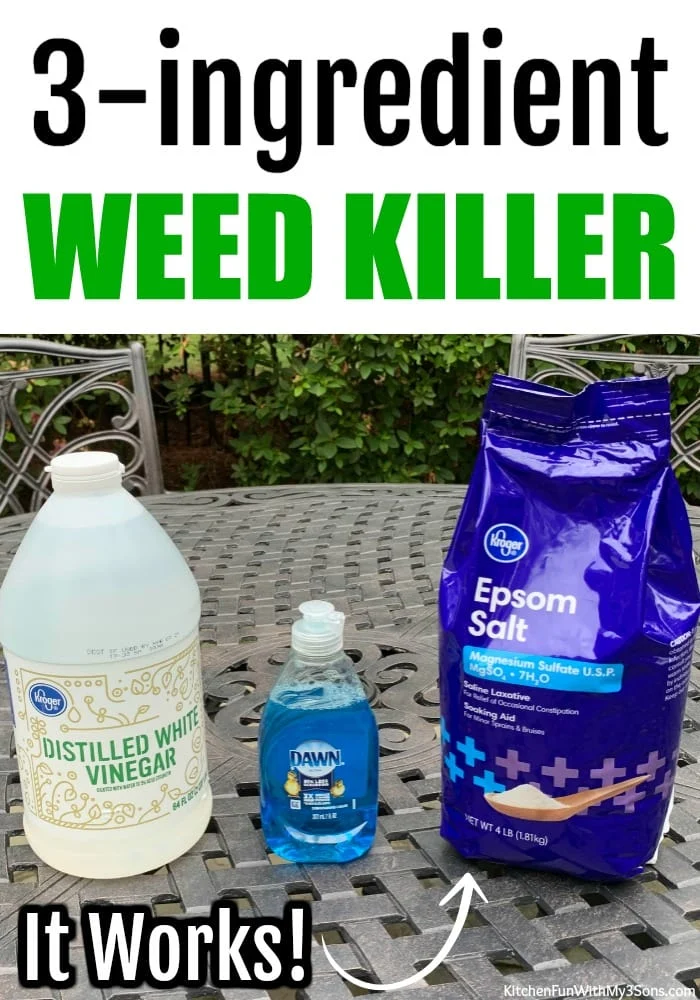
DIY Weed Control with Water and Vinegar
Another natural weed control method can be made using water and vinegar. This DIY solution is explained in a clear video posted by Anna De Simone on August 7, 2015.
Please note that the dosages mentioned in the video are not accurate; you’ll need to use 3 liters of vinegar instead of 2.
The rest of the video provides an excellent explanation of the process.
Conclusion
In this article, we’ve explored three natural weed control methods: pyrodiserbant, solarization, and DIY solutions using water and vinegar. Each method has its advantages and disadvantages, but they all offer effective and eco-friendly alternatives to chemical-based pesticides. We hope you’ve found these suggestions helpful in your quest for natural weed control.
Frequently Asked Questions
- What is pyrodiserbant?
Pyrodiserbant is a natural weed control agent that uses heat to kill weeds and their roots. - How does solarization work?
Solarization involves covering the soil with plastic tarp to warm it up, killing weeds and their roots. - Can I use pyrodiserbant on large areas?
While pyrodiserbant can be effective on small spaces, it may not be suitable for larger areas due to waiting time. - What are some DIY natural weed control methods?
Some DIY solutions include using water and vinegar, or making a spray from a mixture of salt and water. - How often should I apply pyrodiserbant?
Pyrodiserbant can be reapplied every 6-12 months to maintain its effectiveness. - Is solarization effective on all types of weeds?
Solarization is most effective on annual weeds, but may not work as well on perennial weeds. - Can I use pyrodiserbant in combination with other methods?
Yes, combining pyrodiserbant with mulching or solarization can enhance its effectiveness. - Are there any safety concerns when using pyrodiserbant?
While generally safe, pyrodiserbant should be handled carefully to avoid burns or injuries.
Additional Natural Pest Control Methods
In addition to natural weed control methods, there are several other effective and eco-friendly pest control methods available. Some of these include:
- Bt (Bacillus thuringiensis): A biological pesticide that is produced by bacteria and can be used to control a wide range of pests.
- Neem oil: A natural insecticide that can be used to control a variety of pests, including aphids, whiteflies, and spider mites.
- Soap solution: A non-toxic soap solution can be used to control pests such as aphids, mealybugs, and scale insects.
Conclusion
In this article, we’ve explored three effective and eco-friendly natural weed control methods: pyrodiserbant, solarization, and DIY solutions using water and vinegar. We hope you’ve found these suggestions helpful in your quest for natural weed control. Additionally, we’ve discussed several other natural pest control methods that can be used to protect your garden or agricultural field from pests.
By choosing natural pest control methods, you can help reduce the environmental impact of your gardening or farming practices while also improving the health and well-being of the plants and wildlife in your area.
References
- “Pyrodiserbant: A Natural Weed Control Agent” by Anna De Simone (YouTube video)
- “Solarization: A Method for Controlling Weeds” by USDA (United States Department of Agriculture)
- “Bt (Bacillus thuringiensis): A Biological Pesticide” by WHO (World Health Organization)
- “Neem oil: A Natural Insecticide” by IPNI (International Plant Nutrition Institute)


