
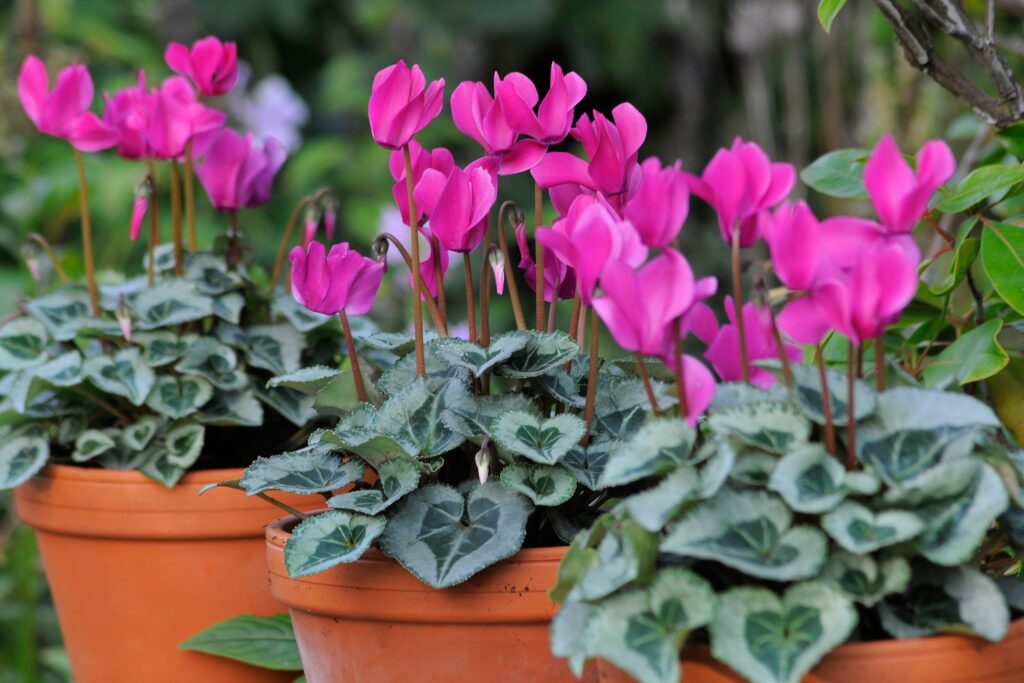
Clematis – those colorful, flowering plants that bring a touch of elegance to any garden or indoor space. But did you know that growing clematis can be relatively easy, even for novice gardeners? With the right techniques and care, you can enjoy beautiful blooms all year round.
Choosing the Right Conditions for Your Clematis
When it comes to growing clematis, positioning is key. Place your potted plants in a spot with partial shade, avoiding direct sunlight that can scorch their leaves. If you’re planting outdoors, consider placing them under trees or shrubs to provide natural shelter from harsh weather conditions.
For indoor spaces, find a bright but not overly sunny location for your clematis. Avoid positioning near windowsills that receive full sun exposure, as this can cause the plant to suffer.
Ensuring Proper Ventilation
Clematis are sensitive to excessive moisture, which can lead to fungal diseases like grey mildew. To prevent this, ensure good air circulation around your plants by keeping them at least 6-8 inches away from any walls or surfaces.
By maintaining proper ventilation, you’ll not only prevent disease but also encourage healthy growth and flowering. In addition, clematis need adequate air circulation to promote the spread of their roots and prevent root rot.
The Importance of Soil Quality
When it comes to growing clematis, the type of soil used is crucial. Look for a well-draining potting mix that’s rich in organic matter. Avoid using regular garden soil, as this can compact and prevent proper drainage.
If you don’t have access to high-quality potting mix, consider mixing in some compost or well-rotted manure to improve the soil structure. You can also add perlite or vermiculite to enhance drainage and aeration.
Watering Your Clematis
Clematis require regular watering, but be cautious not to overwater. Allow the top inch of soil to dry out between waterings, and avoid getting water on the leaves or flowers to prevent fungal diseases.
During periods of dormancy, reduce watering to once a month, allowing the soil to dry completely before rehydrating it. This will help prevent root rot and ensure healthy growth.
Protecting Your Clematis from Harsh Weather
Clematis are sensitive to extreme temperatures and wind. If you live in an area prone to frost, consider moving your potted plants indoors or covering them with a frost blanket during winter months.
To protect your clematis from harsh winds, provide some support using stakes or a trellis. This will help prevent damage to the stems and flowers.
Fertilizing Your Clematis
Clematis require regular fertilization to promote healthy growth and flowering. Use a balanced fertilizer that’s rich in phosphorus, zinc, and iron, which are essential for blooming.
If you don’t have access to specialized clematis fertilizer, consider using a general-purpose flower fertilizer and adding some zinc and iron supplements. You can also add a high-phosphorus fertilizer during the growing season to promote blooming.
Pruning Your Clematis
Unlike other plants, pruning clematis is not as drastic. Simply remove any dead or damaged foliage to promote healthy growth and encourage new blooms.
If you want to harvest seeds from your clematis, wait until the flowers have fully matured before removing them. This will ensure that the seeds are ready for dispersal.
Common Problems and Solutions
- Mildew: Use a fungicide specifically designed for clematis, applying it according to the manufacturer’s instructions.
- Acars, Aphids, and Thrips: Inspect your plants regularly, removing any infested areas immediately. Use insecticidal soap or neem oil as needed.
By following these guidelines, you’ll be well on your way to growing beautiful, healthy clematis that bring joy and beauty to your garden or indoor space.
Frequently Asked Questions
- Q: How often should I water my clematis?
A: Water your clematis once a month during the dormant season, allowing the top inch of soil to dry out between waterings. - Q: Can I grow clematis in containers?
A: Yes, but ensure proper drainage and provide sufficient support using stakes or a trellis. - Q: How do I propagate clematis?
A: Divide mature bulbs into sections, allowing each section to develop its own roots before replanting. - Q: Can I grow clematis in cold climates?
A: Yes, but protect your plants from harsh winds and frost using stakes or a frost blanket. - Q: How do I fertilize my clematis?
A: Use a balanced fertilizer rich in phosphorus, zinc, and iron, applying it according to the manufacturer’s instructions.
Advanced Clematis Growing Techniques
For experienced gardeners looking to take their clematis growing skills to the next level, here are some advanced techniques to consider:
- Deadheading: Remove spent flowers to encourage new blooms and promote healthy growth.
- Staking: Use sturdy stakes to provide support for tall or weak stems.
- Pruning in Spring: Prune your clematis after they finish blooming in the spring, removing any dead or damaged foliage.
- Winter Mulching: Apply a layer of mulch to protect your clematis from harsh winter weather.
By mastering these advanced techniques, you can enjoy even more beautiful blooms and healthier, more robust clematis plants.
Conclusion
Growing clematis is a rewarding hobby that requires attention to detail but can be very rewarding. By following the guidelines outlined in this article, novice gardeners can learn how to grow healthy, blooming clematis plants that bring joy and beauty to their gardens or indoor spaces.
With practice and patience, experienced gardeners can take their clematis growing skills to new heights by mastering advanced techniques like deadheading, staking, pruning in spring, and winter mulching. Whether you’re a seasoned gardener or just starting out, the world of clematis growing has something to offer everyone.
So why not give it a try? With a little care and attention, your clematis plants will thrive, bringing beauty and joy to your home for years to come.


