
As the old saying goes, “an apple a day keeps the doctor away,” but for those with cross-allergies, even a simple fruit like an apple can trigger a severe reaction. These allergies are not just a coincidence; they often occur when one allergy is linked to another, making it challenging for individuals to identify and manage their symptoms.
What Are Cross-Allergies?
Cross-allergies are allergic reactions that overlap between different allergens, such as pollen and certain foods. The term “cross” refers to the fact that these allergies seem to be unrelated at first glance but share a common underlying immune response mechanism. In most cases, individuals with cross-allergies experience symptoms from both the primary and secondary allergens.
Symptoms of Cross-Allergies
The symptoms of cross-allergies can vary depending on the specific allergens involved. Common symptoms include:
- Respiratory issues like congestion, sneezing, and itchy eyes (in pollination allergies)
- Skin rashes, hives, and itching (in food allergies)
- Digestive problems like nausea, vomiting, and diarrhea (in food allergies)
Common Cross-Allergies
Some of the most common cross-allergies include:
- Pollen and foods: Many people with pollen allergies also experience symptoms from certain foods, such as strawberries, melons, and citrus fruits.
- Insect stings and foods: Some individuals who are allergic to insect stings may also be sensitive to certain foods, like fish or shellfish.
What Triggers Cross-Allergies?
Cross-allergies often occur when the immune system mistakenly identifies a similar protein in two different substances as harmful. This can lead to an overreaction and the release of histamine, which causes symptoms like itching, swelling, and difficulty breathing.
Food Allergens Commonly Associated with Pollination Allergies
Some food allergens that are commonly linked to pollination allergies include:
- Citrus fruits (oranges, lemons, limes)
- Berries (strawberries, blueberries, raspberries)
- Melons (watermelon, cantaloupe, honeydew)
Food Allergens Commonly Associated with Insect Stings
Some food allergens that are commonly linked to insect stings include:
- Fish and shellfish
- Nuts (especially peanuts and tree nuts)
- Soy products
How to Manage Cross-Allergies
Managing cross-allergies requires a comprehensive approach, including:
- Avoiding the trigger substances
- Carrying an EpiPen or other emergency medication
- Working with an allergist or healthcare provider to develop a treatment plan
- Educating family and friends about the allergy
Natural Remedies for Cross-Allergies
While there is no cure for cross-allergies, some natural remedies may help alleviate symptoms:
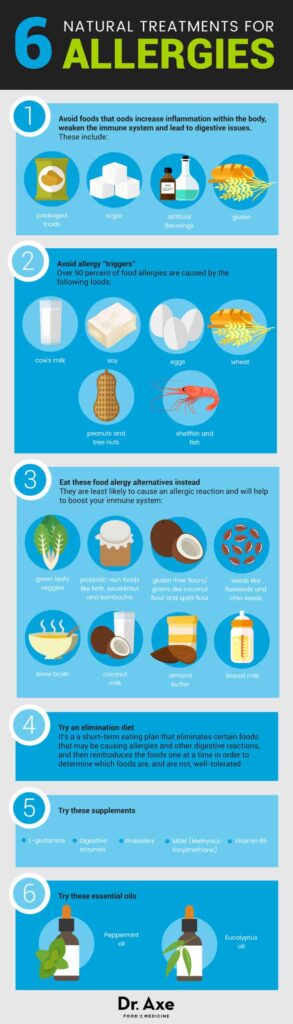
- Avoiding common allergens like peanuts, tree nuts, and shellfish
- Using immunotherapy to desensitize the body to specific allergens
- Incorporating omega-3 fatty acids into your diet to reduce inflammation
- Drinking plenty of water to stay hydrated
Conclusion
Cross-allergies are a complex condition that requires attention and care. By understanding the causes, symptoms, and triggers of cross-allergies, individuals can take steps to manage their symptoms and prevent reactions. While there is no cure for cross-allergies, natural remedies and medical treatments can help alleviate symptoms and improve quality of life.
Frequently Asked Questions (FAQs)
- What are the most common food allergens associated with pollination allergies?
Citrus fruits, berries, and melons are commonly linked to pollination allergies. - How do I know if I have a cross-allergy?
If you experience symptoms from both a pollen allergy and a food allergy, it’s likely that you have a cross-allergy. - Can I outgrow a cross-allergy?
In some cases, individuals may outgrow a cross-allergy, but this is not always the case. - Are cross-allergies contagious?
No, cross-allergies are not contagious and cannot be spread from person to person. - How can I prevent cross-reactions?
Avoiding common allergens like peanuts, tree nuts, and shellfish, as well as carrying an EpiPen or other emergency medication, can help prevent cross-reactions.
Debunking Common Myths About Cross-Allergies
- Myth: Cross-allergies are rare.
Reality: While not as common as single allergies, cross-allergies are still a significant concern for many individuals. - Myth: All people with pollen allergies will react to certain foods.
Reality: Not everyone with pollen allergies will experience symptoms from specific foods. - Myth: Immunotherapy can cure cross-allergies.
Reality: While immunotherapy may help alleviate symptoms, it is not a cure for cross-allergies.
Understanding the Science Behind Cross-Allergies
The immune system plays a crucial role in cross-allergies. When an allergen enters the body, the immune system recognizes it as foreign and triggers an allergic reaction. In cases of cross-allergies, the immune system mistakenly identifies a similar protein in two different substances as harmful.
Cross-Allergy Testing: What You Need to Know
If you suspect that you have a cross-allergy, there are several tests that can help diagnose the condition:
- Skin prick test: This involves applying small amounts of allergens to your skin and observing for a reaction.
- Blood tests: These can detect specific antibodies in your blood that indicate an allergic response.
- Elimination diet: This involves removing common allergens from your diet for a period of time to see if symptoms improve.
Prevention is Key: Tips for Avoiding Cross-Reactions
To avoid cross-reactions, follow these tips:
- Read food labels carefully to identify potential allergens.
- Ask questions when trying new foods or ingredients.
- Keep an EpiPen or other emergency medication on hand at all times.
- Educate family and friends about your allergies.
Conclusion
Cross-allergies are a complex condition that requires attention, care, and understanding. By learning more about the causes, symptoms, and triggers of cross-allergies, individuals can take steps to manage their symptoms and prevent reactions. Whether you have a pollen allergy, food allergy, or insect sting allergy, it’s essential to understand how cross-allergies work and what steps you can take to avoid them.
Additional Resources
If you’re living with a cross-allergy, there are several resources available to help you manage your symptoms:
- Allergy & Immunology Society (AIS)
- American Academy of Allergy, Asthma & Immunology (AAAAI)
- Food Allergy Research & Education (FARE)
These organizations provide valuable information, support, and resources for individuals with cross-allergies.


