
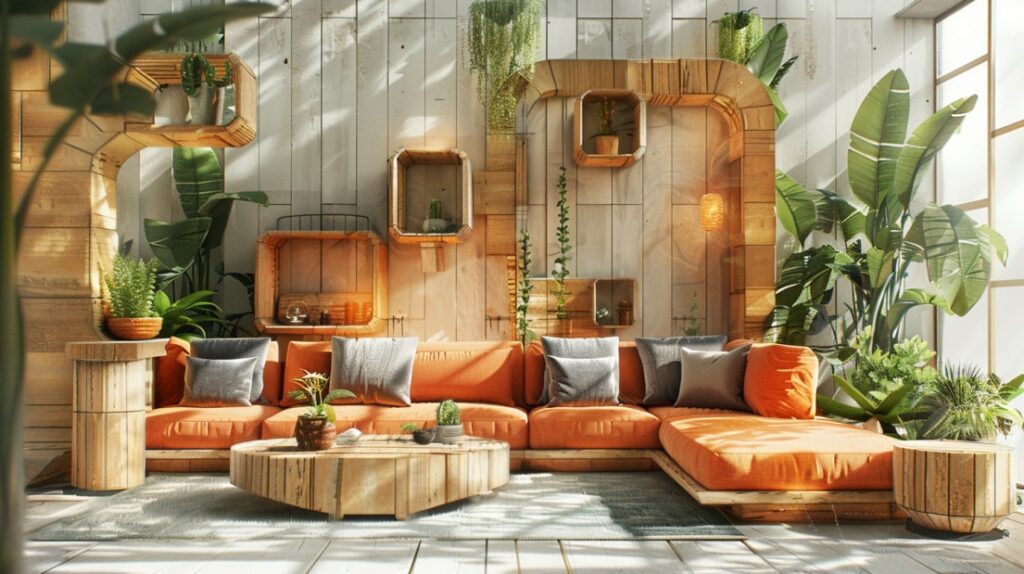
As we become increasingly aware of our impact on the environment, sustainable interior design is becoming a growing trend. But what exactly does it mean to create an eco-friendly home, and how can you make informed choices about your furnishings?
The Rise of Sustainable Interior Design
In recent years, there has been a significant shift towards more environmentally conscious design decisions. Homeowners are increasingly seeking out products that not only look great but also have a minimal impact on the planet. This trend is driven by growing concerns about climate change, deforestation, and waste management.
Sustainable interior design is not just about using eco-friendly materials; it’s also about considering the entire lifecycle of a product. From sourcing to manufacturing, transportation, and disposal, every step plays a crucial role in minimizing harm to the environment. By adopting sustainable practices throughout the design process, homeowners can significantly reduce their carbon footprint while creating beautiful and functional spaces.
Unconventional Design Solutions
One way to achieve sustainable interior design is through creative and unconventional solutions. Take, for example, a plafonier made from an old washing basket, transformed into a lamp with a high-efficiency energy-saving light bulb. Or consider an elegant macrame hammock crafted from repurposed aircraft seatbelts, which costs just £200.
Unconventional design solutions not only reduce waste but also promote creativity and resourcefulness. By thinking outside the box and embracing new materials and techniques, homeowners can create unique and stylish spaces that are both environmentally friendly and budget-friendly.
Upcycled Home Decor
Another approach is to create stunning home decor pieces using upcycled materials. Raw Studio’s coffee-ground-based desk, for instance, showcases the beauty of waste reduction and creative reuse. Similarly, bamboo furniture is a popular choice due to its fast growth rate, strength, and versatility.
Upcycling is an excellent way to reduce waste and create one-of-a-kind pieces that reflect your personal style. By repurposing old materials or finding new uses for discarded items, you can breathe new life into your home decor while also promoting sustainability.
Eco-Friendly Materials
When it comes to selecting sustainable materials, there are many options to explore:
- FSC-certified wood: Look for products made from reclaimed or sustainably sourced timber, certified by the Forest Stewardship Council (FSC).
- Natural fibers: Choose textiles like organic cotton, wool, and hemp instead of synthetic materials like polyester.
- Bamboo: This fast-growing, highly renewable resource is perfect for furniture, flooring, and even wall coverings.
Eco-friendly materials are a crucial aspect of sustainable interior design. By choosing products made from natural, biodegradable resources, you can reduce your environmental impact while creating healthy and comfortable spaces.
Varnishes: A Safer Choice
When it comes to painting your walls, conventional varnishes can contain toxic chemicals like toluene. Switch to eco-friendly alternatives made from natural ingredients, which not only reduce harm to the environment but also promote healthier indoor air quality.
Eco-friendly varnishes are an excellent choice for homeowners who want to protect their health and the planet while painting their walls. By opting for natural ingredients and low-VOC (volatile organic compound) paints, you can create a safer and more sustainable living space.
Sustainable Interior Design for Small Spaces
Even small spaces can benefit from sustainable interior design. Here are some tips for creating eco-friendly interiors in compact areas:
- Opt for multi-functional furniture: Choose pieces that serve multiple purposes to reduce clutter and waste.
- Use natural light: Maximize natural light by placing windows strategically and using sheer curtains to filter the sun’s rays.
- Select space-saving designs: Consider low-profile sofas, wall-mounted shelves, or foldable tables to create a sense of openness and flow.
Sustainable interior design is not just for large homes; it can be applied to small spaces as well. By incorporating eco-friendly materials, reducing waste, and optimizing natural light, you can create cozy and functional areas that are both environmentally friendly and budget-conscious.
Conclusion
Creating a sustainable home requires thoughtfulness and creativity. By embracing unconventional design solutions, upcycling, and eco-friendly materials, you can significantly reduce your environmental footprint while still enjoying stylish and functional spaces.
Whether you’re a seasoned designer or just starting to explore sustainable interior design, there’s no need to feel overwhelmed. Start with small changes, such as switching to natural fibers or repurposing old materials, and work your way up to more significant transformations.
Remember, every decision you make has an impact on the environment. By choosing eco-friendly options and adopting sustainable practices, you can contribute to a healthier planet while creating beautiful and functional spaces that you’ll love for years to come.
Frequently Asked Questions (FAQs)
-
What are some examples of sustainable interior design?
- Upcycled furniture made from reclaimed wood or repurposed materials
- Bamboo-based decor, such as walls or flooring
- Eco-friendly textiles, like organic cotton or hemp
-
How can I choose the right sustainable materials for my home?
-
Look for FSC-certified products
- Select natural fibers over synthetic alternatives
- Consider bamboo and other renewable resources
-
What are some eco-friendly painting options?
-
Natural varnishes made from plant-based ingredients
- Low-VOC (volatile organic compound) paints
-
Can I make my home more sustainable with DIY projects?
-
Upcycle old items or create new pieces using reclaimed materials
- Repurpose household waste for decorative purposes
-
What is the importance of reducing waste in interior design?
-
Minimizing waste reduces the amount of material that ends up in landfills and conserves natural resources
-
How can I involve my family in sustainable interior design choices?
-
Educate them on the benefits of eco-friendly materials and practices
- Involve them in the decision-making process for new furniture or decor pieces


