
Introduction
Fermented red rice is a nutritional powerhouse that has been gaining popularity in recent years due to its numerous health benefits. This type of rice is made by fermenting white rice with the Monascus purpureus fungus, which adds a range of nutrients and antioxidants to the grain. In this article, we will explore the benefits of fermented red rice, its nutritional properties, and how to incorporate it into your diet.
What is Fermented Red Rice?
Fermented red rice is a type of rice that has been fermented with the Monascus purpureus fungus, which gives it a distinctive reddish color. This fermentation process increases the bioavailability of nutrients in the rice, making it more easily absorbed by the body.
History and Production
The production of fermented red rice dates back thousands of years to ancient China, where it was first used as a natural food coloring and for its medicinal properties. The fungus Monascus purpureus is native to Asia and has been used in traditional Chinese medicine for centuries. Modern-day production of fermented red rice typically involves the following steps:
- Rice selection: White or brown rice is selected based on quality and purity.
- Fermentation: The rice is mixed with water and inoculated with Monascus purpureus fungus, which begins to ferment the starches in the rice.
- Monitoring: The fermentation process is monitored regularly to ensure that it reaches the desired level of maturity.
- Drying: The fermented rice is dried to remove excess moisture and prevent spoilage.
Benefits of Fermented Red Rice
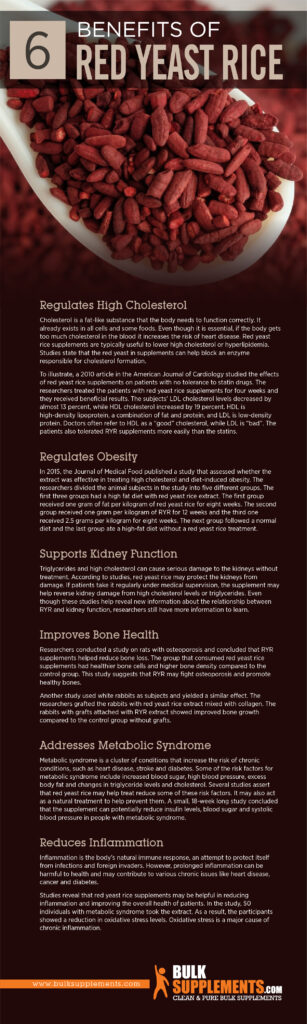
- Lower Cholesterol Levels: Fermented red rice contains a compound called monacolin K, which has been shown to lower cholesterol levels and reduce the risk of heart disease.
- Antioxidant Properties: Fermented red rice is rich in antioxidants, including polyphenols and anthocyanins, which can help protect against cell damage and reduce the risk of chronic diseases.
- Improved Digestion: The fiber content in fermented red rice can help regulate bowel movements and improve digestion.
- Boosted Immune System: Fermented red rice contains immunoglobulins, which can help boost the immune system and reduce the risk of illness.
- Anti-Inflammatory Effects: Monacolin K has been shown to have anti-inflammatory effects, which may help reduce inflammation in the body.
Nutritional Properties
One serving of 100 grams of fermented red rice (approximately the size of a small apple) contains:
- Calories: 350
- Protein: 7g
- Carbohydrates: 80g
- Fiber: 3g
- Fat: 1g
- Sodium: 5mg
- Potassium: 150mg
- Iron: 2mg
- Calcium: 20mg
- Vitamin B6 and Folate
Health Benefits of Fermented Red Rice
Fermented red rice has been studied extensively for its potential health benefits, including:
- Cardiovascular Health: The monacolin K in fermented red rice may help reduce cholesterol levels and improve cardiovascular health.
- Cancer Prevention: The antioxidants and polyphenols in fermented red rice may help protect against cancer.
- Digestive Health: The fiber content in fermented red rice can help regulate bowel movements and prevent constipation.
- Immune System Support: Fermented red rice contains immunoglobulins, which can help boost the immune system.
Incorporating Fermented Red Rice into Your Diet
Fermented red rice can be prepared in a variety of ways, including:
- Culinary Uses: Fermented red rice can be used as a substitute for regular rice in many recipes.
- Supplements: Fermented red rice can be taken as a supplement in capsule or powder form.
- Traditional Beverages: In some Asian cultures, fermented red rice is used to make traditional beverages such as tea and wine.
Food Preparation Methods
Fermented red rice can be prepared using the following methods:
- Steaming: Fermented red rice can be steamed like regular rice.
- Boiling: Fermented red rice can be boiled with water or broth to create a flavorful dish.
- Sautéing: Fermented red rice can be sautéed with vegetables and herbs for added flavor.
Precautions
While fermented red rice is generally considered safe to consume, there are some precautions to be aware of:
- Allergic Reactions: Some individuals may experience allergic reactions to the fungus Monascus purpureus.
- Interactions with Medications: Fermented red rice may interact with certain medications, such as blood thinners and diabetes medications.
- Pregnancy and Breastfeeding: As with any new food, it’s always best to consult your doctor before consuming fermented red rice during pregnancy or breastfeeding.
Conclusion
Fermented red rice is a nutritional powerhouse that offers a range of health benefits, including lower cholesterol levels, antioxidant properties, improved digestion, and a boosted immune system. By incorporating fermented red rice into your diet, you can reap the rewards of this ancient grain.


