
As we explore the world’s diverse climates, one that often goes underappreciated is the oceanic climate. Characterized by mild temperatures and high levels of humidity, this climate can be found in various regions around the globe, from urban centers like London to distant cities like Hobart, Australia, and Vancouver, Canada.
Characteristics of Oceanic Climates
One defining feature of oceanic climates is the moderate temperature fluctuations throughout the year. This results in relatively high levels of precipitation during the summer months, compared to the more arid conditions typical of Mediterranean climates. While it’s often considered a humid climate, there are exceptions, such as the Patagonia region, which experiences a dry and temperate oceanic climate.
Another characteristic of oceanic climates is their proximity to large bodies of water, such as oceans or seas. This proximity leads to a moderating effect on temperatures, keeping them relatively stable throughout the year. Additionally, oceanic climates often exhibit high levels of humidity, due to the presence of moisture-laden air from the surrounding waters.
Flora and Fauna of Oceanic Climates
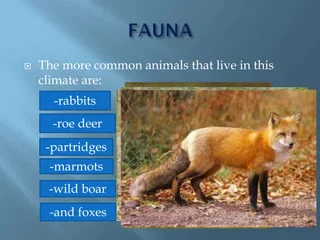
Leaving behind the vegetation and animal life associated with Mediterranean climates, we find a distinct ecosystem in oceanic regions. Prairies and grasslands dominate these areas, providing habitats for various species, including deer, turkeys, martens, wolves, and cats. These animals are well-suited to the mild winters and cool summers characteristic of oceanic climates.
The unique combination of precipitation patterns and temperature fluctuations in oceanic climates also supports a diverse range of plant life. From coniferous forests in subarctic regions to deciduous trees in temperate areas, the flora of oceanic climates is as varied as it is resilient.
Temperature Patterns
Oceanic climates can be found in many different parts of the world and exhibit varying temperature patterns. In general, temperatures tend to be cooler during winter months but not excessively cold, while summer temperatures are mild but not hot. As we move towards the polar regions, we encounter subpolar oceanic climates (Köppen Cfc), which feature relatively mild winters and cool summers lasting less than four months.
Subtropical oceanic climates, on the other hand, are characterized by warm summers and mild winters, with average temperatures ranging from 15°C to 20°C (59°F to 68°F). These regions often experience significant rainfall throughout the year, with some areas receiving over 1,000 mm (39 in) of precipitation annually.
Climatic Zones
Oceanic climates can be further categorized into subtypes based on their geographical location. The Pacific Northwest region of North America, for example, experiences a mild oceanic climate with significant rainfall throughout the year. Similarly, regions like western Australia and parts of South Africa exhibit a milder oceanic climate than other areas.
The British Isles, comprising England, Scotland, Wales, and Northern Ireland, also fall under the category of oceanic climates. This region’s unique geography, with its proximity to the Atlantic Ocean and numerous coastal features, contributes to its distinctive climate.
Precipitation Patterns
One of the most striking features of oceanic climates is their high levels of precipitation, which can occur almost continuously throughout the year. In some areas, such as the Atlantic coast of Europe and North America, rainfall is present for at least six months of the year. Conversely, regions like Southeast Asia experience dry summers with prolonged droughts.
The amount and distribution of precipitation in oceanic climates vary significantly depending on the region’s location and topography. Coastal areas tend to receive more rainfall than inland regions due to the moderating effect of sea breezes and coastal fog.
Distinguishing Oceanic from Atlantic Climates
It’s essential to note that oceanic climates can sometimes be confused with atlantic climates due to their similarities. However, both types of climates share distinct characteristics, including high humidity and moderate temperature fluctuations. In reality, the terms “oceanic” and “atlantic” are often used interchangeably, although some geographers argue that the latter is a more accurate description.
One key difference between oceanic and atlantic climates lies in their geographical location. Oceanic climates tend to be found near large bodies of water, such as oceans or seas, whereas atlantic climates are typically associated with coastal areas along the Atlantic Ocean.
Conclusion
In conclusion, oceanic climates offer a unique blend of mild temperatures and high levels of precipitation, making them an attractive environment for both humans and wildlife. As we continue to explore the world’s diverse climates, it’s essential to appreciate the complexities and nuances of these ecosystems.
By understanding the characteristics, flora, fauna, temperature patterns, climatic zones, precipitation patterns, and distinguishing features of oceanic climates, we can better appreciate the importance of preserving and protecting these unique environments for future generations.
Frequently Asked Questions (FAQs)
- What are the primary characteristics of oceanic climates?
Oceanic climates are characterized by moderate temperature fluctuations, high humidity, and significant precipitation throughout the year. - Which regions exhibit oceanic climates?
Oceanic climates can be found in various parts of the world, including urban centers like London, distant cities like Hobart, Australia, and Vancouver, Canada. - What types of vegetation are common in oceanic climates?
Prairies and grasslands dominate these areas, providing habitats for various species, including deer, turkeys, martens, wolves, and cats. - Which animals thrive in oceanic climates?
Species such as deer, turkeys, martens, wolves, and cats have adapted to the mild winters and cool summers characteristic of oceanic climates. - Can oceanic climates be confused with atlantic climates?
While both types of climates share similarities, they can be distinguished by their unique characteristics and geographical locations. - How do precipitation patterns vary in different regions?
Precipitation levels can range from almost continuous throughout the year to prolonged droughts, depending on the region’s location and climate type. - What are some key factors that influence oceanic climates?
Latitude, coastal proximity, temperature fluctuations, and topography all contribute to the development of oceanic climates. - Can oceanic climates be found in tropical regions?
Yes, oceanic climates can also occur in tropical areas, where they often exhibit a distinct sub-polar climate characterized by mild winters and cool summers.
Additional Resources
- National Oceanic and Atmospheric Administration (NOAA)
- World Meteorological Organization (WMO)
- International Union of Geological Sciences (IUGS)


