
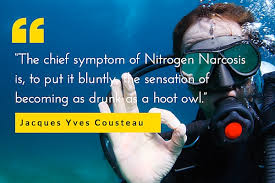
As you consider embarking on a deep-sea diving adventure, it’s essential to understand the nitrogen narcosis, also known as “the Martini effect.” This phenomenon can be a game-changer for divers, and learning about it will help you make informed decisions about your underwater explorations.
What is Nitrogen Narcosis?
Nitrogen narcosis is an immediate and reversible change in consciousness caused by the accumulation of nitrogen in the bloodstream at high pressures. This condition occurs when divers exceed safe depths, and it can be completely eliminated with a brief ascent to shallower waters.
The nitrogen narcosis phenomenon involves various gases present in the air mixtures used during underwater excursions. Nitrogen is an inert gas that plays a crucial role in this process. When combined with oxygen, nitrogen creates nitrous oxide (N2O), which contributes to the narcotic effects observed in divers.
What Happens During Nitrogen Narcosis?
When you dive at great depths, the pressure increases, causing your bloodstream to become saturated with nitrogen. As the gas builds up, it can lead to an alteration of your state of consciousness, characterized by:
- Disorientation
- Dizziness
- Confusion
- Numbness
- Slowed movements
- Impaired coordination
- Altered perceptions
The effects of nitrogen narcosis are not limited to these symptoms; they can also cause more severe consequences if not addressed promptly.
Why Should You Be Aware of Nitrogen Narcosis?
Nitrogen narcosis is a critical concern for divers, as it can lead to accidents or even fatalities if not recognized and managed properly. The risks associated with this phenomenon are especially pronounced when divers:
- Overestimate their abilities
- Underestimate the effects of nitrogen narcosis
How Can You Avoid Nitrogen Narcosis?
While some experts claim that developing a tolerance to nitrogen narcosis is possible, this is not entirely accurate. Divers can learn to recognize and manage symptoms associated with nitrogen narcosis, but it’s essential to understand that this condition is completely beyond their control.
The reality is that divers cannot train themselves to resist the effects of nitrogen narcosis. However, they can develop a heightened awareness of their surroundings and learn to identify signs of impending narcosis. It’s also crucial for divers to follow established safety protocols and ascend gradually to avoid exacerbating the symptoms.
Is Nitrogen Narcosis Perilous?
Nitrogen narcosis is not inherently perilous, but it can become dangerous if divers are unaware of the risks or fail to respond promptly. The condition is reversible, and most symptoms will subside once divers surface and begin their ascent. However, ignoring the signs or underestimating the severity of the symptoms can lead to catastrophic consequences.
How Deep Does Nitrogen Narcosis Occur?
Nitrogen narcosis affects divers at any depth, but its effects are more pronounced at greater depths. The pressure increases exponentially with depth, which contributes to the buildup of nitrogen in the bloodstream. In theory, the limit for safe use of compressed air mixtures is around 70 meters, but even at shallower depths, divers can still experience symptoms of nitrogen narcosis.
Can You Recognize Nitrogen Narcosis?
Recognizing nitrogen narcosis can be challenging due to its subtle and deceptive nature. The initial effects may manifest as anxiolysis (a sense of calm), which can lead divers to underestimate the severity of the condition. As the symptoms progress, they can become more pronounced, causing confusion, disorientation, and impaired coordination.
Symptoms of Nitrogen Narcosis: A Closer Look
While it’s essential to recognize the signs of nitrogen narcosis, understanding its symptoms is equally important. Here are some key symptoms to look out for:
- Anxiolysis: An initial feeling of calmness or reduced anxiety.
- Disorientation: Difficulty judging time and space, leading to confusion and disorientation.
- Dizziness: A sensation of dizziness or lightheadedness.
- Confusion: Difficulty concentrating and making rational decisions.
- Numbness: Feeling of numbness in the hands and feet.
- Slowed movements: Reduced speed and coordination when moving.
- Impaired coordination: Difficulty with balance, stance, and reaction time.
Nitrogen Narcosis in Divers: A Case Study
To better understand the risks associated with nitrogen narcosis, let’s consider a case study of a seasoned diver named John. John had been diving for over 10 years and had completed numerous dives at depths up to 100 meters. On his latest dive, he descended to 120 meters without proper safety protocols in place.
Upon reaching the bottom, John began to feel a strange sense of calmness and clarity. He continued to explore the underwater environment, but as he ascended, he started to experience symptoms of nitrogen narcosis, including disorientation, dizziness, and numbness.
John’s situation highlights the importance of following established safety protocols and recognizing the signs of nitrogen narcosis. Had John experienced these symptoms during his dive, he could have taken immediate action to minimize the effects of the condition and avoid any further complications.
Nitrogen Narcosis Management: A Guide for Divers
While nitrogen narcosis is a complex phenomenon, managing its symptoms can be simplified by following established guidelines:
- Monitor your air supply: Regularly check your air consumption to ensure you have enough time to ascend safely.
- Watch for signs of narcosis: Pay attention to subtle changes in behavior and physical reactions that may indicate the onset of nitrogen narcosis.
- Maintain a safe ascent rate: Ascend gradually to avoid exacerbating symptoms, with an average rate of 1-2 meters per minute.
- Stay hydrated: Drink plenty of water during the dive to maintain hydration levels.
- Avoid diving too deep: Don’t exceed your certified depth limits and avoid pushing beyond your comfort zone.
The Importance of Nitrogen Narcosis Training
While some experts argue that developing a tolerance to nitrogen narcosis is possible, there’s no substitute for proper training and education on this critical topic. Dive schools and training programs should emphasize the risks associated with nitrogen narcosis and provide hands-on experience in managing symptoms.
By emphasizing the importance of nitrogen narcosis management, dive instructors can help divers develop essential skills that will keep them safe underwater. Remember, awareness is key to avoiding nitrogen narcosis-related incidents.
Conclusion
Nitrogen narcosis is a critical concern for divers, and understanding its causes, effects, and risks will help you make informed decisions about your underwater adventures. By recognizing the signs of nitrogen narcosis and following established safety protocols, you can minimize the risks associated with this phenomenon and enjoy a safe and enjoyable diving experience.
Frequently Asked Questions
- Is Nitrogen Narcosis Reversible?
Yes, nitrogen narcosis is immediately reversible once divers surface and begin their ascent. - Can Divers Develop Tolerance to Nitrogen Narcosis?
No, it’s impossible for divers to develop a tolerance to nitrogen narcosis; however, they can learn to recognize and manage symptoms associated with the condition. - What Are the Symptoms of Nitrogen Narcosis?
The symptoms of nitrogen narcosis include disorientation, dizziness, confusion, numbness, slowed movements, impaired coordination, and altered perceptions. - How Can Divers Avoid Nitrogen Narcosis?
Divers can avoid nitrogen narcosis by following established safety protocols, recognizing signs of impending narcosis, and ascending gradually to minimize symptoms. - Is Nitrogen Narcosis Always Dangerous?
Nitrogen narcosis is not inherently perilous, but it can become dangerous if divers are unaware of the risks or fail to respond promptly.
Additional Resources
For further information on nitrogen narcosis, consult the following resources:
- International Association for Medical and Applied Hypnosis (IAMAH)
- National Association of Underwater Sciences (NAUS)
- Divers Alert Network (DAN)
These organizations provide valuable insights into the effects of nitrogen narcosis and offer guidance on managing symptoms.


