
Understanding the Great Energy Debate: More Protection vs Free Market
As the world grapples with the complexities of a free market, one question has been on everyone’s mind: more protection or free market? This age-old debate centers around the energy sector in Italy, where consumers are being forced to choose between two options. But what exactly do these terms mean, and which one is better for you?
What is More Protection?
More protection refers to a type of contract that households and small businesses can enter into with their energy suppliers. This contract ensures a fixed tariff (price) for the energy consumed, providing stability in the face of rising prices. The term “more protection” comes from the fact that it offers a higher level of security and predictability compared to free market options.
How Does More Protection Work?
To understand more protection, let’s break down how it works:
- Household consumers or small businesses with less than 50 employees and less than €10 million turnover are eligible for more protection.
- These consumers can choose to stay with their existing supplier or switch to a new one if they find a better deal.
- Suppliers will continue to provide energy at regulated tariffs, which means that the prices and economic conditions are set by the Energy Authority, quarter by quarter.
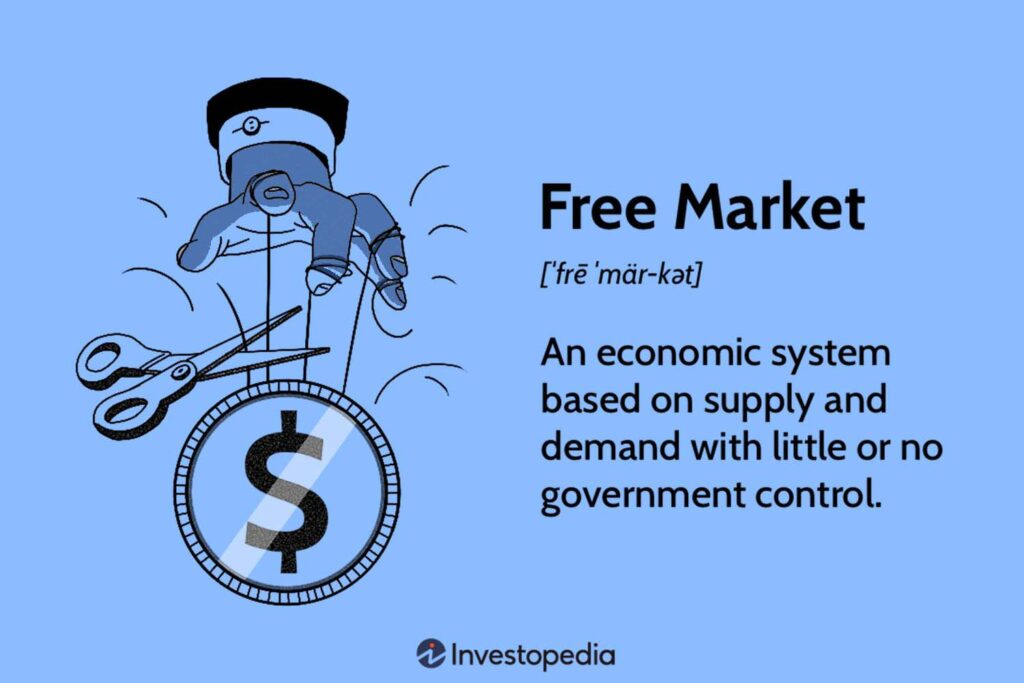
What is Free Market?
Free market, on the other hand, refers to contracts where suppliers offer fixed-price options for a specific period (usually 24 months). These contracts allow consumers to switch providers at any time without penalty. The key benefit of free market contracts is that they often come with lower prices than more protection options.
Historical Context: How Prices Have Changed
To answer the question of whether more protection or free market is better, let’s look at some historical data:
- For the current quarter, prices under more protection are:
- October: €0.07665/kWh
- November: €0.08100/kWh
- December: €0.07991/kWh
- In 2015, prices were higher than expected due to international tensions and system costs.
Comparing More Protection and Free Market Contracts
So, which option is better? The answer depends on the offers of individual operators. However, it’s clear that free market contracts have become more competitive in recent years. For example, some suppliers are offering fixed-price contracts for 24 months at prices decidedly lower than those under more protection.
Key Takeaways
- More protection provides stability and predictability but may not be the best option if you’re willing to take on a bit of risk.
- Free market contracts offer flexibility and potentially lower prices, but may come with higher risks if suppliers change their terms.
- The right choice for you depends on your individual circumstances and priorities.
Frequently Asked Questions
- What is the difference between more protection and free market contracts?
- More protection provides a fixed tariff for a set period, while free market contracts offer flexible pricing for a specific term.
- Which option is better for households with high energy bills?
- Depending on individual circumstances, either option could be suitable. However, free market contracts may provide more flexibility to switch suppliers and take advantage of lower prices.
- Can I still choose between more protection and free market if I’m currently under contract?
- Yes, you can switch or remain under contract with the same supplier or move to a new one when your current contract expires.
- How do I know if a free market contract is right for me?
- Research the offers of individual operators and consider factors like pricing stability, flexibility, and customer support before making a decision.
- What happens if my energy supplier goes bankrupt while I’m under more protection?
- You may be able to switch suppliers or remain under contract with the existing one until your current term ends.
- Are there any disadvantages to choosing free market contracts over more protection?
- Yes, you may face higher risks of price volatility and limited switching rights compared to more protection options.
- How do I protect myself from unexpected energy price increases if I choose a free market contract?
- Research the pricing structure of your chosen supplier and consider factors like system costs and international tensions when making your decision.
- Can I negotiate better prices with my current or new energy supplier?
- It’s worth asking about potential discounts or promotions, but be aware that suppliers may not always be willing to lower their rates.
Additional Considerations
- Consider any additional costs associated with switching suppliers or terminating contracts.
- Take into account the reputation and customer support of your chosen supplier.
- Be aware of any penalties for early termination or contract changes.
- Review your energy usage patterns and adjust your consumption accordingly to minimize bills.
Choosing the Right Option
Ultimately, the decision between more protection and free market contracts depends on your individual circumstances and priorities. Consider factors like pricing stability, flexibility, and customer support when making a decision. Be aware of potential risks and rewards associated with each option, and don’t hesitate to seek advice from energy experts or advisors if needed.
Conclusion
The great energy debate between more protection and free market is complex and multifaceted. By understanding the terms, benefits, and drawbacks of each option, you can make an informed decision that suits your needs. Remember to consider additional factors like pricing stability, flexibility, and customer support when choosing the right contract for you.


