
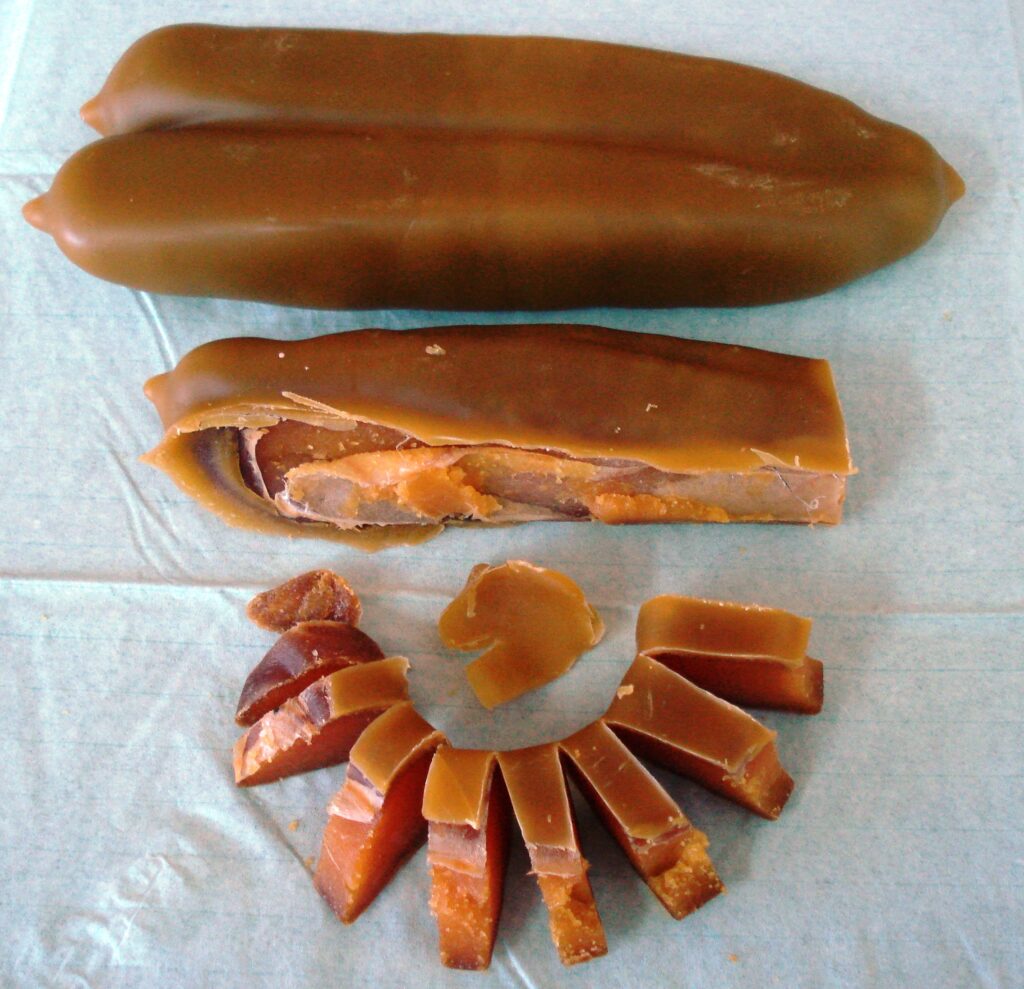
Bottarga is a delicacy that has gained popularity among seafood enthusiasts, but its origins and uses remain shrouded in mystery for many. In this article, we will delve into the world of bottarga, exploring what it is, how it’s made, and its various applications in cooking.
The Sea’s Bounty: A Source of Food
The sea provides a diverse range of food sources, including crustaceans, mussels, mollusks, fish, algae, and fish eggs like caviar. Bottarga, an ovarian sac of fish, is one such delicacy that has been prized for centuries.
What Is Bottarga?
Bottarga is the dried and salted ovary of a fish, making it a unique and flavorful ingredient. The name “bottarga” likely originates from the Greek Byzantine term “ootòrichon,” meaning dried and salted fish eggs.
Extracting Bottarga from Various Fish
Bottarga can be extracted from various fish species, with tuna being one of the most popular varieties. However, the classic type of bottarga is derived from the muggine (mugil), a type of sea bream. The female muggine’s ovary is carefully removed and processed to create this delicacy.
The Difference Between Bottarga and Caviar
While both bottarga and caviar are fish eggs, they differ in their processing and origin. Caviar is typically extracted from sturgeon roe and processed separately, whereas bottarga is the raw ovary of a fish. The simplicity of bottarga’s processing contributes to its unique flavor profile.
Bottarga of Muggine: A Classic Variety
The most common type of bottarga is derived from female muggine (mugil). The female sea bream is carefully processed to extract her ovary, which is then dried and salted. This process ensures that the delicate flavor and texture of the muggine are preserved.
Bottarga of Tuna: A Popular Variety
Bottarga of tuna has gained popularity in recent years, particularly among seafood enthusiasts. The ovarian sac of female red tuna (Thunnus thynnus) is extracted, salted, and dried to create this delicacy. The resulting product is prized for its rich flavor and firm texture.
Where to Buy Bottarga
Bottarga can be found in specialty food stores or by searching for localities near the sea, where it is often produced by fishing communities. When purchasing bottarga, it’s essential to ensure that it is of high quality and has been properly processed.
How to Eat Bottarga: Recipes
Once prepared, bottarga can be used in various culinary applications. It is commonly consumed as thin slices, tritumated, or grated over pasta dishes. A simple recipe involves slicing the bottarga into thin strips, moistening it with extra virgin olive oil and a squeeze of lemon juice.
Bottarga and Seafood: A Pairing for the Ages
Bottarga pairs well with arugula, as its robust flavor complements the delicate taste of the fish. It is also commonly used in pasta dishes, such as spaghetti with bottarga, which has become a staple in many seaside restaurants.
Gonads of Tuna and Bottarga: A Comparison
Tuna lattume is another delicacy derived from fish gonads, whereas bottarga is extracted from female tuna or cefalo. Lattume can be consumed fresh or dried and is prized for its rich flavor and firm texture.
History of Bottarga: From Ancient Times to Modern Era
Bottarga has been a staple in the Mediterranean diet for centuries, particularly among Italian, Greek, and Spanish cuisines. The Roman Empire was known to have prized bottarga as a delicacy, often serving it with fresh bread or crackers. In recent times, bottarga has gained popularity worldwide, with chefs and food enthusiasts seeking out this unique ingredient.
Cultural Significance of Bottarga
Bottarga is deeply rooted in the cultural heritage of the Mediterranean region. In Italy, for example, bottarga is a symbol of good luck and prosperity, often served at special occasions such as weddings and holidays. In Greece, bottarga is considered a delicacy and is often served with grilled fish or seafood.
Nutritional Value of Bottarga
Bottarga is rich in protein, omega-3 fatty acids, and other essential nutrients, making it a nutritious addition to a balanced diet. However, it is also high in calories and fat, so moderation is key when consuming this delicacy.
Conclusion
Bottarga is a unique and flavorful ingredient that has been prized for centuries. Its versatility in cooking makes it an excellent addition to various dishes, from pasta to salads. By exploring the world of bottarga, we can discover new flavors and textures that will elevate our culinary experiences.
Frequently Asked Questions (FAQs)
- What is bottarga?
Bottarga is the dried and salted ovary of a fish. - Where does bottarga come from?
Bottarga can be extracted from various fish species, with tuna being one of the most popular varieties. - How is bottarga made?
Bottarga is typically extracted from female fish, cleaned, dried, and salted to create this delicacy. - Is bottarga more expensive than caviar?
Yes, bottarga tends to be more expensive than caviar due to its limited availability and processing requirements. - How do I store bottarga?
Bottarga should be stored in an airtight container in the refrigerator to maintain its flavor and texture. - Can I substitute bottarga with caviar or lattume?
No, bottarga has a distinct flavor profile that cannot be replicated by caviar or lattume. - Is bottarga suitable for vegetarians and vegans?
No, bottarga is derived from fish and is not suitable for vegetarians or vegans. - How do I prepare bottarga for cooking?
Bottarga can be sliced, tritumated, or grated to suit various culinary applications.
Additional Tips and Tricks
- When purchasing bottarga, look for high-quality products that have been properly processed and stored.
- To enhance the flavor of bottarga, pair it with olive oil, lemon juice, and fresh herbs like parsley or basil.
- Bottarga can be used as a garnish or added to pasta sauces, soups, and stews for an extra burst of flavor.
By exploring the world of bottarga, we can discover new flavors and textures that will elevate our culinary experiences. Whether you’re a seafood enthusiast or just looking to try something new, bottarga is certainly worth considering.


