
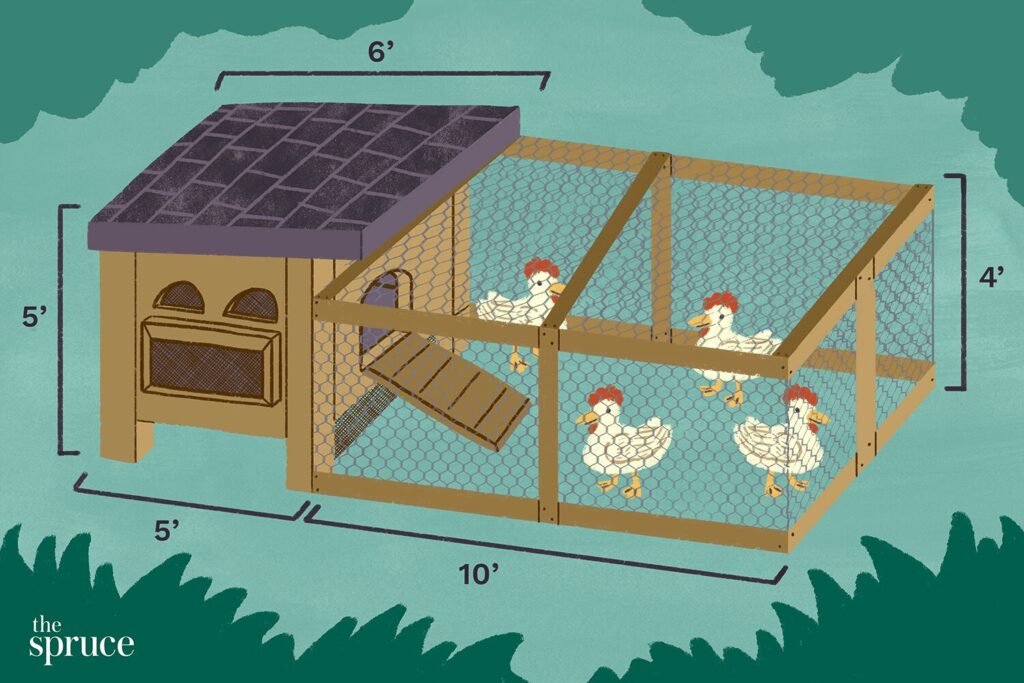
Are you ready to take the plunge and build your own chicken coop? With a little patience and manual dexterity, you’ll be enjoying fresh eggs from your very own backyard flock in no time! In this article, we’ll guide you through the process of building a chicken coop using both concrete and wood materials. So, let’s get started!
Choosing the Right Location for Your Chicken Coop
Before breaking ground on your new coop, it’s essential to choose the perfect location. This is where things can go awry if you don’t take the time to consider the pros and cons of different spots. You want a spot that receives plenty of sunlight – this will help promote healthy egg-laying in your hens!
The size of your coop should also be carefully considered, taking into account the number of chickens you plan on keeping. Generally speaking, each square meter of covered space can accommodate four chickens. However, if you have more than 10 birds, be sure to check with local authorities for any regulations or restrictions.
Considering Neighboring Homes and Local Regulations
Before you start building your coop, take a step back and think about how it might impact those around you. You don’t want your neighbors complaining about the smell of manure or noise from roosters crowing at 4 AM!
As for local regulations, make sure to check with your city’s planning department to see if there are any specific rules governing backyard chickens. Some areas may require special permits or have restrictions on coop size and placement.
Building Your Chicken Coop with Concrete Blocks
Now that we’ve covered the basics, let’s dive into building our coop using concrete blocks! Here’s what you’ll need:
- Concrete blocks
- Cement
- Sand
- Water
Instructions for Building a Concrete Block Chicken Coop:
- Dig a hole for your foundation: The depth will depend on how deep you want your walls to be, but a good starting point is about 30 cm.
- Fill the hole with sand and cement mixture
- Lay down your concrete blocks and create the walls of your coop
- Add a roof made from wooden planks or corrugated iron
- Install doors and windows
Building Your Chicken Coop with Wood
If you’re not feeling up to building with concrete, don’t worry! We’ve got an alternative for you – wood!
- Wooden planks
- Nails
- Hammer
- Saw
Instructions for Building a Wooden Chicken Coop:
- Find a suitable location and clear the area of any debris.
- Measure out the dimensions of your coop based on the number of chickens you plan to keep.
- Cut the wooden planks into the necessary lengths and assemble them using nails and a hammer.
- Add doors, windows, and a roof made from corrugated iron or roofing material
- Install a roost bar for your chickens to sleep on
Adding a Run for Your Chickens
Once you’ve built your coop, it’s time to add a run where your chickens can roam free!
- Chicken wire
- Wooden posts
- Twine
Instructions for Building a Chicken Run:
- Determine the size of your run based on the number of chickens and space available.
- Dig holes for your wooden posts and place them in the ground.
- Stretch chicken wire over the top of the posts to create a secure enclosure
- Add twine or wire to secure any loose ends
Tips and Tricks
Here are some additional tips and tricks to help you get the most out of your new coop:
- Provide plenty of ventilation in your coop to keep things cool and dry.
- Make sure your chickens have access to clean water and food at all times!
- Keep an eye out for predators – raccoons, foxes, and hawks can be big threats!
FAQs
Here are some frequently asked questions that might come up as you build and care for your chicken coop:
- What is the best size for my chicken coop?
- Generally speaking, each square meter of covered space can accommodate four chickens.
- How often should I clean out my chicken coop?
- It’s recommended to clean out your coop at least once a week to keep things healthy and sanitary!
- Can I build my own chicken run?
- Absolutely! With some basic tools and materials, you can create a secure enclosure for your chickens to roam free.
Safety Precautions
When building your coop, it’s essential to take safety precautions into consideration:
- Wear protective gear: gloves, safety glasses, and a dust mask
- Use proper lifting techniques: bend at the knees, lift with your legs, and avoid overexertion
- Follow local building codes and regulations
Pest Control
To keep pests out of your coop, consider these additional measures:
- Seal any gaps or holes in the walls or roof
- Install hardware cloth around vents and windows
- Keep your coop clean and dry: remove debris and manure regularly
Conclusion
Building your own chicken coop can be a fun and rewarding experience. With the right materials, tools, and knowledge, you can create a safe and healthy environment for your flock to thrive in. Remember to always follow local regulations, take safety precautions, and prioritize pest control. Happy building!
Additional Resources
For more information on building a chicken coop or caring for backyard chickens, check out these additional resources:
- Local nurseries and gardening stores: ask for advice on building materials and design
- Online forums and communities: connect with other backyard chicken keepers for tips and advice
- Books and guides: find comprehensive guides to building and maintaining a healthy flock
Building Your Own Chicken Coop: A Checklist
To ensure you’re well-prepared when building your coop, follow this checklist:
- Have the necessary materials and tools ready
- Clear the area of any debris or obstructions
- Measure and mark out the dimensions of your coop
- Follow local building codes and regulations
- Take safety precautions into consideration


