
Introduction
When it comes to backyard poultry, few birds are as fascinating and rewarding to raise as ducks. Whether you’re a seasoned poultry enthusiast or just starting out, anas (domesticated ducks) can be a delightful addition to your farm or garden. In this article, we’ll delve into the world of anas, exploring their characteristics, care, and benefits of raising them.
Why Raise Anas?
Before diving into the details of anas care, let’s explore some compelling reasons why you might want to consider raising these incredible birds.
- Low Maintenance: Unlike chickens or other poultry, ducks are relatively low maintenance. They’re less likely to disturb your garden or neighborhood, and their quiet nature makes them perfect for backyard living.
- Pest Control: Ducks are voracious eaters of insects, slugs, and snails, making them a fantastic addition to any pest control strategy.
- Fresh Eggs: Many breeds of anas produce delicious and nutritious eggs, which can be enjoyed fresh from the coop or cooked up for a tasty meal.
- Ornamental Value: Whether you’re looking to create a picturesque pond or simply add some visual interest to your garden, ducks are sure to impress.
Selecting the Right Breed
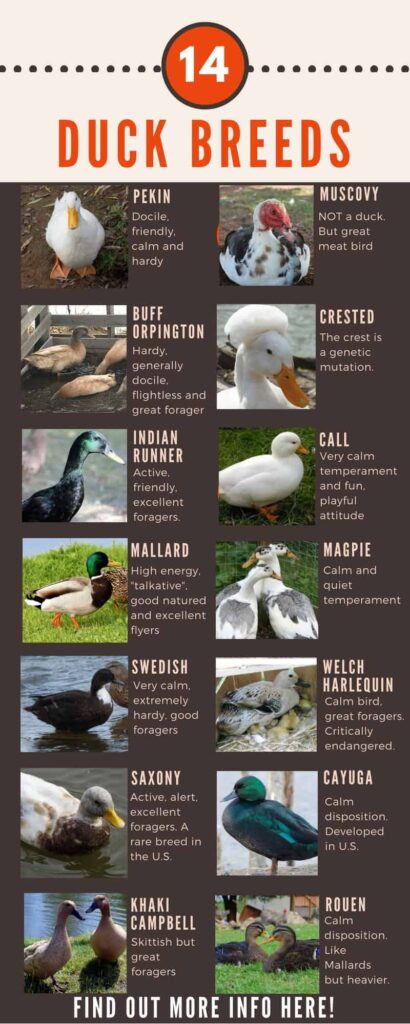
With so many breeds of anas to choose from, selecting the right one can be a daunting task. Here are a few popular varieties to consider:
- Muscovy Duck: Known for their striking appearance and friendly nature, Muscovy ducks make excellent pets for families or those with limited space.
- Khaki Campbell: These ducks are renowned for their exceptional egg-laying abilities, producing up to 300 eggs per year.
- Pekin: A popular choice among duck enthusiasts, Pekins are known for their docile nature and impressive growth rate.
Housing and Care
Providing the right environment is crucial for the health and happiness of your anas. Here are some essential considerations:
- Coop Design: Ensure your coop is well-ventilated, dry, and protected from predators.
- Diet: A balanced diet that includes a mix of grains, fruits, and vegetables will keep your anas happy and healthy.
- Water Quality: Fresh, clean water is essential for your ducks’ health. Regularly test the water quality and make adjustments as needed.
Reproduction and Breeding
If you’re interested in breeding your own anas, here are a few key things to know:
- Breeding Season: The breeding season typically begins in February or March, depending on your location.
- Nesting: Female anas will build nests using natural materials like grasses, twigs, and mud.
- Egg Laying: Females will lay eggs for approximately 26-28 days before hatching.
Health and Nutrition
Keeping your anas healthy and well-nourished is crucial for their overall well-being. Here are some essential considerations:
- Vaccinations: Consult with a veterinarian to determine the best vaccination schedule for your ducks.
- Parasite Control: Regularly check your ducks for signs of parasites like mites, lice, or worms.
- Dental Care: Keep an eye out for signs of dental problems like cracked beaks or tooth decay.
Behavior and Socialization
Anas are social birds that thrive on interaction and attention. Here are some tips for keeping your ducks happy and entertained:
- Provide Enrichment Activities: Offer toys, puzzles, and other activities to keep your ducks engaged and stimulated.
- Create a Safe Environment: Ensure your ducks have enough space to move around and play without feeling confined or threatened.
- Spend Quality Time: Spend time with your ducks daily, feeding them, cleaning their coop, and simply enjoying their company.
Conclusion
Raising anas can be a rewarding and enriching experience for anyone interested in backyard poultry. With the right care and attention, these incredible birds can bring joy, beauty, and fresh produce to your life. Whether you’re a seasoned enthusiast or just starting out, we hope this guide has provided valuable insights into the world of anas.
FAQs
- What is the average lifespan of an anas?
- The average lifespan of an anas is around 10-15 years.
- How often should I feed my ducks?
- Ducks require a balanced diet that includes a mix of grains, fruits, and vegetables. Feed them 2-3 times a day, depending on their age and activity level.
- Can anas be kept with chickens?
- While it’s possible to keep anas and chickens together, it’s not always recommended. Anas are natural foragers and may compete with chickens for food sources.
- How do I protect my ducks from predators?
- Provide a secure coop with strong fencing and consider adding additional security measures like guard animals or motion-activated sprinklers.
- Can anas be used for pest control?
- Absolutely! Ducks are natural foragers and will happily eat insects, slugs, and snails in your garden or yard.
- How often should I clean the coop?
- Clean the coop at least once a week to remove waste and keep your ducks healthy.
- Can anas be kept in small spaces?
- Yes, but it’s essential to provide enough space for exercise and activity. A minimum of 10×20 feet is recommended.
- How do I handle an injured duck?
- If you find an injured duck, contact a local wildlife rehabilitation center or veterinarian for guidance on the best course of action.
By following these guidelines and doing your research, you’ll be well on your way to becoming an anas expert and enjoying the many benefits that come with raising these incredible birds.


