
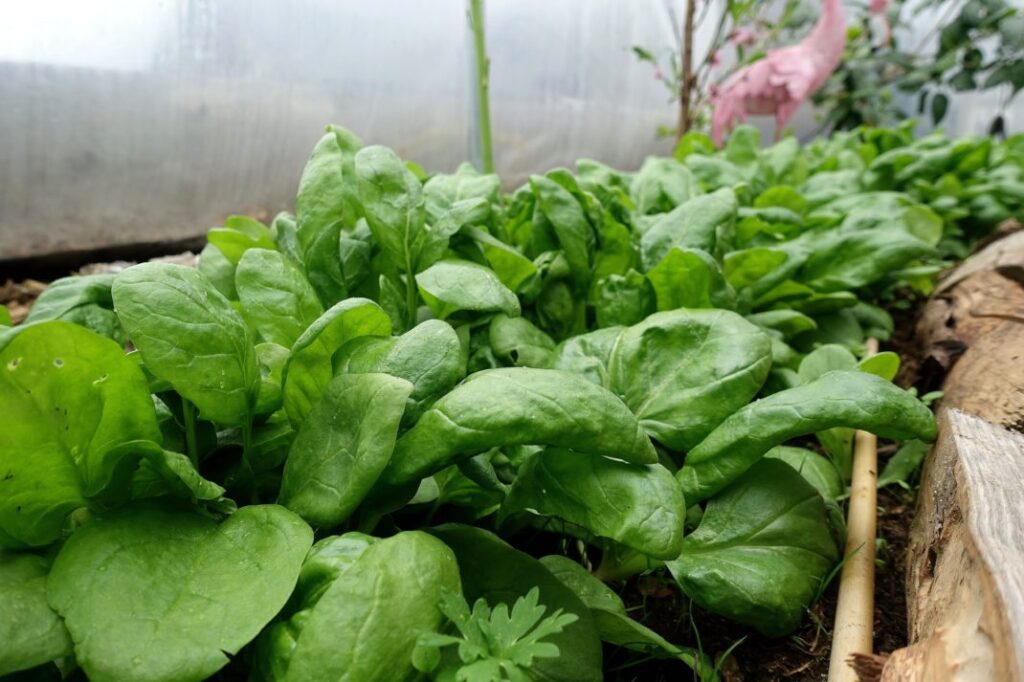
As the temperatures drop, our gardens often come to a standstill. But there are certain crops like spinach that thrive in the cooler months and can provide us with ample satisfaction. From autumn onwards, these leafy greens can occupy a portion of our garden space and withstand frost without giving us any concerns. Let’s explore some tips for introducing spinach into your homegrown garden.
Choosing the Right Variety
When selecting a spinach variety for winter cultivation, it’s essential to choose the right type. There are several varieties available, including ‘Gigante d’Inverno,’ ‘Matador,’ and ‘Virofly.’ These autumn-growing varieties tend to grow quickly and resist cold temperatures, often tolerating light frosts.
Avoid sowing spinach in hot summer months, as this can lead to rapid growth, flowering, and poor development. Instead, choose a variety that suits the local climate and plant it in the fall or early winter.
Preparing the Soil
Before sowing spinach seeds, prepare the soil by creating shallow files, about 2-3 inches deep, with rows spaced 30 cm apart. Leave about 10-15 cm of space between each row for air circulation during growth.
Spinach can also be grown in mixed beds with other vegetables like kale, lettuce, radish, and cabbage. These companion plants help to improve soil health and reduce pests and diseases.
Sowing Spinach Seeds
When sowing spinach seeds, avoid planting them in areas that are too wet or shaded, as this can lead to fungal infections. Instead, use previously fertilized land that is well-drained and has good air circulation.
To promote healthy growth, make sure the soil is consistently moist but not waterlogged. You can also create raised beds with a drainage system to prevent waterlogging.
Sowing Techniques
There are two common methods for sowing spinach seeds:
- Direct Sowing: This method involves directly sowing the seeds in the prepared soil.
- Startlings: Some gardeners prefer to start their spinach seeds indoors 4-6 weeks before the last frost date in their area.
When direct sowing, sow the seeds about ¼ inch deep and 1-2 inches apart. Water the soil gently but thoroughly after sowing. Cover the seeds with a thin layer of soil or mulch to prevent washaway.
Caring for Spinach Plants
During the growing season, keep an eye on spinach plants for signs of nutrient deficiencies. Fertilize them with compost tea or worm castings to promote healthy growth.
It’s essential to mulch around the plants to retain moisture and suppress weeds. You can also use row covers to protect the plants from frost damage.
Frost Protection
Spinach is relatively cold-hardy, but it still requires protection during extreme frost conditions. Use frost blankets or row covers to cover your spinach plants when temperatures are predicted to drop below 32°F (0°C).
Harvesting Spinach
Spinach is ready to harvest when the leaves are large enough, usually in late autumn or early winter. Start by harvesting the largest leaves on the plant, leaving the central crown intact to promote continuous growth.
You can either pick individual leaves or cut off the entire plant, depending on your preference. To preserve spinach for future meals, you can blanch it in boiling water and then store it in an airtight container in the refrigerator.
The Benefits of Spinach
Spinach is rich in iron, but its nutritional value increases when consumed with citrus fruits like lemons or limes. The acidity in these fruits helps to increase iron absorption in the body. Additionally, spinach is a rich source of other essential minerals like calcium and vitamins A and K.
Incorporating spinach into your diet can provide numerous health benefits, including improved immune function, reduced inflammation, and enhanced cognitive performance.
Spinach Recipes
Spinach makes an excellent addition to various dishes, from soups to salads. Here’s a simple recipe for a delicious spinach soup:
Ingredients:
- 2 tablespoons olive oil
- 1 onion, chopped
- 2 cloves garlic, minced
- 700g fresh spinach leaves
- 1 liter vegetable broth
- 1 tablespoon curry powder
- Salt and pepper to taste
Instructions:
- Heat the olive oil in a large pot over medium heat.
- Add the chopped onion and sauté until softened.
- Add the garlic, spinach, broth, and curry powder. Bring to a boil, then reduce heat and simmer for 10 minutes.
- Season with salt and pepper to taste.
Spinach also makes an excellent addition to smoothies and salads. Experiment with different recipes to incorporate this nutritious leafy green into your diet.
Frequently Asked Questions
- Q: When is the best time to sow spinach seeds?
A: The ideal time to sow spinach seeds depends on the climate, but generally, autumn or early winter are the best times. - Q: How often should I water my spinach plants?
A: Spinach prefers consistent moisture, so aim for about 1 inch of water per week. - Q: Can I grow spinach in containers?
A: Yes, you can grow spinach in containers as long as they are at least 6-8 inches deep and have good drainage. - Q: How do I prevent fungal infections in my spinach plants?
A: To prevent fungal infections, ensure good air circulation around your spinach plants, mulch them regularly, and avoid overwatering. -
Q: Can I eat raw spinach?
A: Yes, you can eat raw spinach, but make sure to choose fresh leaves without any signs of damage or discoloration. -
Q: How long does it take for spinach to mature?
A: Spinach typically takes 20-30 days to mature from sowing. -
Q: Can I grow multiple varieties of spinach together?
A: Yes, you can grow multiple varieties of spinach together, but ensure they have similar growing conditions and space requirements. -
Q: How do I store spinach for future meals?
A: To preserve spinach for future meals, blanch it in boiling water for 30 seconds to an hour, then chill it in an airtight container in the refrigerator.
Pest Management
Spinach is susceptible to pests like aphids, slugs, and snails. Use natural methods to manage these pests, such as introducing beneficial insects or using neem oil.
Common Spinach Problems
- Leaf Spot: This fungal disease can cause yellowing leaves and spots on the plant. Remove infected leaves, and treat with fungicides if necessary.
- Root Rot: Overwatering can lead to root rot in spinach plants. Check for signs of waterlogged soil, and adjust your watering schedule accordingly.
Tips for Growing Spinach in the Winter
- Use Row Covers: Use row covers to protect your spinach plants from frost damage during winter months.
- Mulch Around Plants: Mulch around your spinach plants to retain moisture and suppress weeds.
- Provide Adequate Light: Spinach requires adequate light to grow, so ensure it receives sufficient sunlight or use supplemental lighting if necessary.
Spinach is a nutritious and versatile leafy green that can be grown indoors or outdoors. By following these tips and incorporating spinach into your diet, you can enjoy its numerous health benefits and add more flavor to your meals.


