
As one of the most widely consumed legumes in the world, beans have been a staple food source for centuries. From ancient civilizations to modern-day cuisines, beans have played a significant role in shaping culinary traditions and providing sustenance for populations around the globe. In this article, we’ll delve into the nutritional value of beans, exploring their unique properties and health benefits that make them an excellent addition to a balanced diet.
A Brief History of Beans
Beans, also known as legumes, are derived from the Phaseolus vulgaris plant, which was first domesticated in Central America over 7,000 years ago. As European conquistadors explored the Americas, they brought back beans, introducing them to new regions and cuisines. Today, beans are a staple ingredient in many cultures, with various types being grown and consumed worldwide.
Nutritional Value of Beans
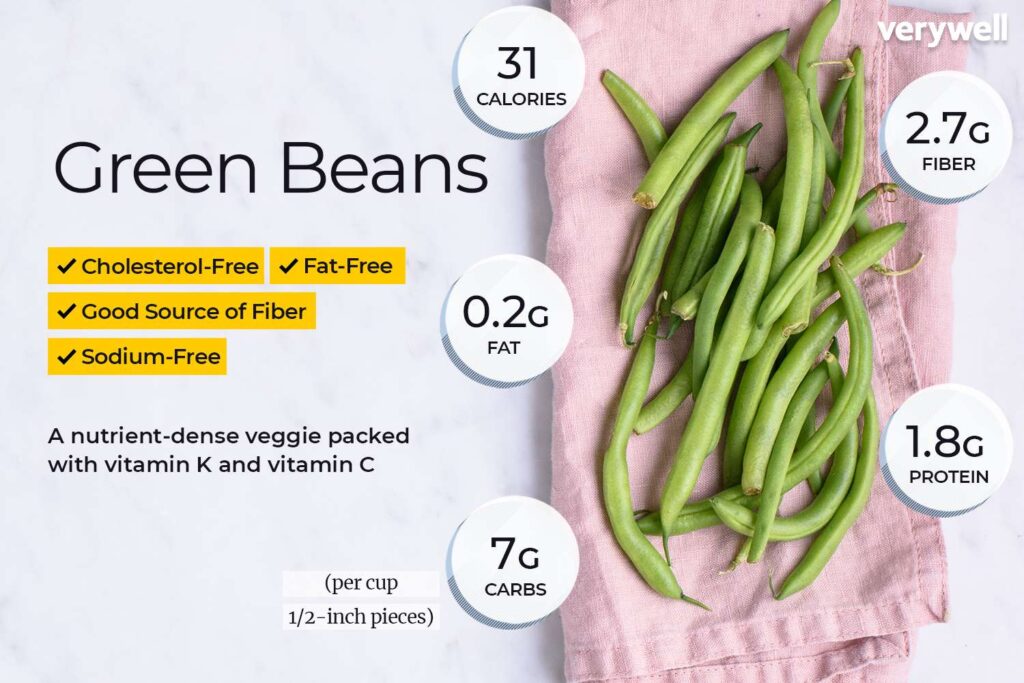
Beans are an excellent source of protein, fiber, and various essential nutrients, making them a nutritious addition to meals. Here’s a breakdown of the nutritional value of different types of beans:
- Calories: Beans are relatively high in calories, with an average of 303 Kcal per 100g serving. However, this calorie content comes from complex carbohydrates, fiber, and protein, which can help regulate blood sugar levels.
- Macronutrients:
- Carbohydrates: 51g (from 100g serving)
- Protein: 23g
- Fat: 2g
- Fiber: 17.5g
- Micronutrients:
- Iron, calcium, potassium, and zinc are all present in various beans.
- Vitamins A, B, C, and E are also found in significant amounts.
Health Benefits of Beans
Beans offer numerous health benefits due to their rich nutrient profile. Some of the most notable advantages include:
- Digestive Health: Beans are high in fiber, which can help regulate bowel movements and prevent constipation.
- Blood Sugar Control: The complex carbohydrates in beans can slow down sugar absorption, reducing the risk of developing insulin resistance and type 2 diabetes.
- Antioxidant Properties: Beans contain a range of antioxidants, including polyphenols and anthocyanins, which can help protect against oxidative stress and inflammation.
- Cardiovascular Health: The potassium content in beans can help lower blood pressure, while the fiber and protein can contribute to reduced cholesterol levels.
Types of Beans: A Guide
With over 500 varieties of beans grown worldwide, it’s essential to explore different types to incorporate them into your diet. Here are some popular types:
- Black Beans: High in antioxidants and fiber, black beans have been linked to improved cardiovascular health.
- Kidney Beans: Rich in protein and fiber, kidney beans are an excellent source of plant-based protein.
- Cannellini Beans: These Italian flat beans are low in fat and high in fiber, making them a great addition to salads and soups.
- Azuki Beans: Also known as red beans, azuki beans are prized for their potential health benefits, including improved kidney function.
Incorporating Beans into Your Diet
With the numerous health benefits and nutritional value of beans, it’s easy to see why they’re an excellent addition to a balanced diet. Here are some tips for incorporating beans into your meals:
- Add them to soups and stews: Beans can add protein and fiber to hearty soups and stews.
- Use them in salads: Cannellini beans or black beans can provide a boost of plant-based protein in salads.
- Make bean-based dishes: From hummus to chili, beans can be the star ingredient in many delicious dishes.
- Experiment with different cooking methods: Beans can be boiled, steamed, roasted, or sautéed to bring out their unique flavors and textures.
Frequently Asked Questions
Here are some frequently asked questions about beans:
- Are all beans gluten-free?
- Yes, most types of beans are naturally gluten-free.
- Can I eat raw beans?
- While it’s technically possible to eat raw beans, cooking them can help break down phytic acid and improve digestibility.
- How do I store beans?
- Store dried beans in a cool, dry place, while cooked beans should be refrigerated or frozen.
- Can I substitute beans with other legumes?
- While different legumes have unique nutritional profiles, they can often be used as substitutes in recipes.
Cooking Beans: Tips and Tricks
Cooking beans can be a simple process, but there are some tips and tricks to keep in mind:
- Rinse dried beans: Before cooking, rinse dried beans to remove any impurities or debris.
- Soak beans (optional): Soaking beans can help reduce cooking time and improve digestibility.
- Use the right ratio of water: Use a 4:1 ratio of water to beans for boiling, while a 2:1 ratio is suitable for pressure cooking.
- Don’t overcook beans: Beans should be cooked until tender but still retain some texture.
Bean-Based Recipes
Here are some delicious bean-based recipes to try:
- Black Bean Tacos: Sauté black beans with onions and garlic, then serve in tacos with your favorite toppings.
- Chili Con Carne: Cook kidney beans with ground beef, tomatoes, and spices for a hearty chili recipe.
- Hummus: Blend cooked chickpeas with tahini, lemon juice, and garlic for a creamy dip.
Incorporating Beans into Your Meal Plan
Beans are an excellent addition to any meal plan, providing protein, fiber, and essential nutrients. Here’s how you can incorporate beans into your daily meals:
- Start the day: Add cooked black beans or kidney beans to oatmeal or yogurt for a nutritious breakfast.
- Add them to salads: Cannellini beans or chickpeas can provide a boost of plant-based protein in salads.
- Make bean-based dishes: From hummus to chili, beans can be the star ingredient in many delicious dishes.
Conclusion
Beans are an incredibly versatile and nutritious food source, offering numerous health benefits and a rich nutrient profile. With over 500 varieties grown worldwide, there’s never been a better time to explore the world of beans. Whether you’re looking to improve your digestive health or reduce cholesterol levels, incorporating beans into your diet can be a great step towards achieving optimal health.


