
Cover Cropping: A Comprehensive Guide to Improving Your Garden’s Health
Introduction
Cover cropping is a simple yet effective technique that involves sowing and allowing certain plant species to grow until they reach maturity, then mowing or chopping them up and incorporating them into the soil. This process can significantly improve soil fertility, structure, and overall health. In this comprehensive guide, we will explore the benefits of cover cropping, different types of cover crops, timing and seasonality, miscellaneous mixtures, and provide answers to frequently asked questions.
Benefits of Cover Cropping
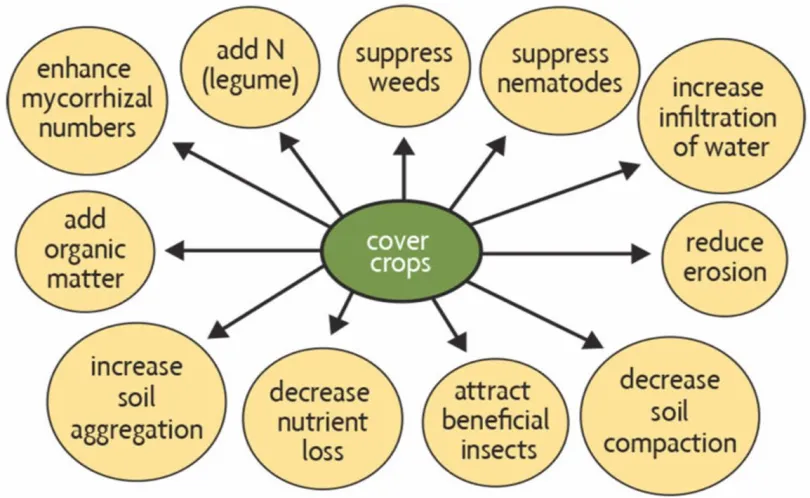
Cover cropping offers numerous benefits for your garden, including:
- Improved soil fertility: By incorporating plants into your garden, you can create a more sustainable growing environment that is better equipped to support healthy plant growth.
- Enhanced nutrient content: Cover crops provide additional nutrients to the soil, making them a popular choice for improving soil fertility.
- Reduced erosion and soil compaction: Cover crops help reduce erosion and soil compaction by providing a barrier between the soil surface and the atmosphere.
- Increased biodiversity: Cover cropping can increase biodiversity by providing habitat for beneficial insects, such as bees and butterflies.
- Better water retention: Cover crops can help improve water retention in the soil by reducing evaporation and runoff.
Types of Cover Crops
There are several types of cover crops that can be used, each with its unique advantages. Some popular options include:
- Legumes (clover, beans): Legumes fix nitrogen in the soil through symbiotic relationships with bacteria.
- Grasses (oats, rye, wheat): Grasses provide additional nutrients to the soil and help reduce erosion.
- Brassicas (broccoli, kale): Brassicas are a good choice for cover cropping due to their ability to suppress weeds and improve soil health.
Timing and Seasonality
The timing and seasonality of cover cropping are critical factors to consider. In general, cover crops are most effective when planted during periods of minimal crop growth or in areas with high soil erosion risk.
- Spring: Planting in the spring allows you to take advantage of the warm weather and growing conditions.
- Fall: Planting in the fall allows you to capitalize on the cooler temperatures and reduced weed pressure.
Miscellaneous Mixtures
There are several miscellaneous mixtures that can be used for cover cropping, each with its unique advantages. Some examples include:
- A mixture of oats, clover, and beans: This mix provides a range of benefits, including improved soil fertility, reduced erosion, and increased biodiversity.
- A mixture of rye, wheat, and alfalfa: This mix is particularly useful for improving soil structure and reducing soil compaction.
Conclusion
Cover cropping is a simple yet effective technique that can improve soil fertility, structure, and overall health. By incorporating plants into your garden, you can create a more sustainable growing environment that is better equipped to support healthy plant growth.
In conclusion, cover cropping offers numerous benefits for your garden, including improved soil fertility, reduced erosion, and increased biodiversity. By choosing the right crops and using proper techniques, you can maximize the benefits of cover cropping for your garden.
Frequently Asked Questions
- What are the benefits of cover cropping?
- Improved soil fertility
- Enhanced nutrient content
- Reduced erosion and soil compaction
- Increased biodiversity
- What types of crops can be used for cover cropping?
- Legumes (clover, beans)
- Grasses (oats, rye, wheat)
- How often should I plant cover crops?
- Spring and fall are optimal times to plant cover crops.
- What are the key factors that contribute to the efficacy of cover cropping?
- Type of crop used
- Amount of time the crop is left in the field
- Soil conditions and climate
Tips for Implementing Cover Cropping
- Choose the right crops: Select a mix of legumes, grasses, and other crops that are suitable for your garden’s climate and soil type.
- Plant at the right time: Plan to plant cover crops during periods of minimal crop growth or in areas with high soil erosion risk.
- Incorporate into the soil: After the cover crops reach maturity, mow or chop them up and incorporate them into the soil using a rototiller or tiller.
- Monitor progress: Regularly monitor your garden’s progress and adjust your cover cropping strategy as needed.
By following these tips and techniques, you can maximize the benefits of cover cropping for your garden.


