
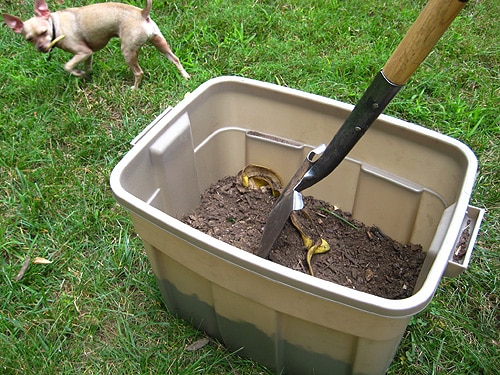
As the world becomes increasingly aware of the importance of reducing waste and living sustainably, many people are turning to DIY composting as a way to reduce their environmental impact. One popular option is building your own indoor compost bin using materials found at home. In this article, we’ll show you how to create a simple and effective compost bin for your kitchen or bedroom.
Why Build Your Own Compost Bin?
While there are many commercial compost bins on the market, building your own can be a cost-effective and environmentally friendly option. Not only will you save money by using materials you already have at home, but you’ll also have more control over the process of decomposition. Plus, it’s a fun and creative project that can be customized to fit your needs.
What You’ll Need
Before we dive into the instructions, let’s take a look at what you’ll need to get started:
- A medium-sized bin (e.g., a plastic container or a wooden crate)
- A lid or cover for the bin
- Expanding clay balls (or “clay pebbles”)
- Fine-mesh plastic netting (or “lacy” mesh)
- A drill or hole punch for making holes in the bin
- Wire coat hangers or metal rods for securing the netting
- Optional: a tray or pan for collecting excess moisture
Step-by-Step Instructions
Now that we have our materials, let’s get started with the build process:
Step 1: Drill Holes in the Bin
Using your drill or hole punch, make evenly spaced holes on both the bottom and sides of the bin. This will allow air to circulate and promote decomposition.
Step 2: Add Netting for Breathability
Cut a piece of fine-mesh plastic netting to fit inside the bin, overlapping the edges by about an inch. Secure the netting with wire coat hangers or metal rods, making sure they’re evenly spaced and won’t touch each other.
Step 3: Add a Layer of Clay Balls
Fill the bottom of the bin with a layer of expanding clay balls (or “clay pebbles”). This will help prevent moisture from accumulating in the bin and reduce odors.
Step 4: Add Your Compost Materials
Now it’s time to add your food scraps, yard waste, or other organic materials to the bin. Mix everything together gently, making sure to distribute the materials evenly.
Step 5: Add Worms (Optional)
If you want to take your composting game to the next level, consider adding some worms to the mix. Red wiggler worms are perfect for indoor composting and can help break down even the toughest materials.
Tips and Tricks
Here are a few additional tips to keep in mind:
- Balance your carbon-to-nitrogen ratio: Aim for a mix of 2/3 “brown” materials (dried leaves, straw, etc.) and 1/3 “green” materials (food scraps, grass clippings, etc.).
- Keep it moist: Make sure the compost bin is consistently damp, but not soggy.
- Turn your compost regularly: Every few days, use a pitchfork or shovel to turn your compost mixture, making sure everything is well-mixed and aerated.
Getting Started with Composting
Composting may seem like a daunting task, but it’s actually quite simple. By following these steps and tips, you’ll be well on your way to creating your own effective indoor compost bin. Just remember to start small, turn regularly, and enjoy the benefits of reduced waste and sustainable living.
Frequently Asked Questions
Here are some common questions people ask about composting:
Q: What can I compost?
A: You can compost most organic materials, including food scraps, yard waste, paper products, and more. Check out our article on “What to Compost” for a full list of acceptable materials.
Q: Will my compost attract pests?
A: Yes, if you’re not careful. Make sure to keep your compost bin clean and dry, and consider adding some red wiggler worms to help break down the materials.
Q: How long does it take for compost to mature?
A: This depends on factors like temperature, moisture, and carbon-to-nitrogen ratio. Generally, compost takes anywhere from a few months to a year or more to mature.
Q: Can I use my compost in my garden?
A: Absolutely! Once your compost is fully matured, you can use it as a natural fertilizer in your garden.
Q: Is DIY composting worth the effort?
A: Without a doubt. Not only will you save money and reduce waste, but you’ll also be contributing to a more sustainable future for our planet.
Common Composting Mistakes
Don’t make these common mistakes when building your own compost bin:
- Not adding enough moisture: If the compost is too dry, it won’t break down properly.
- Adding too much nitrogen-rich material: This can lead to anaerobic conditions and unpleasant odors.
- Not turning the compost regularly: Failing to turn the compost can result in uneven decomposition and reduced efficiency.
Composting on a Budget
Building your own compost bin doesn’t have to break the bank. Here are some tips for composting on a budget:
- Use old containers: Repurpose an old plastic container or wooden crate to save money.
- Shop second-hand: Look for thrift stores, garage sales, or online marketplaces for affordable materials.
- Get creative with repurposing: Think outside the box when it comes to materials – old tires, broken pallets, and more can be repurposed as compost bins.
Indoor Composting Ideas
If you’re short on space, consider these indoor composting ideas:
- Use a small bin or container: Even a small plastic bin or ceramic container can work well for indoor composting.
- Utilize vertical space: Consider using wall-mounted shelves or hanging baskets to maximize storage and reduce clutter.
- Get creative with DIY designs: Think outside the box when it comes to design – repurpose an old bookshelf, use a wooden crate, or more!
Tips for Keeping Pests Out
Pests like rodents, raccoons, and flies can be attracted to composting. Here are some tips for keeping pests out:
- Keep your bin clean: Regularly wipe down the outside of the bin with soap and water to remove food residue.
- Add a layer of predator-attracting material: Use materials like citronella or hot peppers to deter pests from approaching the bin.
- Seal any holes or gaps: Make sure the lid is securely fastened, and check for any cracks or openings in the sides of the bin.
Tips for Controlling Odors
Composting can sometimes result in unpleasant odors. Here are some tips for controlling odors:
- Add more carbon-rich materials: Balance out the amount of green materials with more carbon-rich materials like dried leaves or straw.
- Turn your compost regularly: Regular turning helps to reduce anaerobic conditions and prevent odors.
- Use baking soda or activated charcoal: Add these odor-absorbing materials to the bin to help neutralize smells.
Conclusion
Composting is an easy and effective way to reduce waste, save money, and contribute to a more sustainable future. By building your own indoor compost bin using materials found at home, you’ll be well on your way to creating a thriving composting system that benefits both your family and the environment.


