
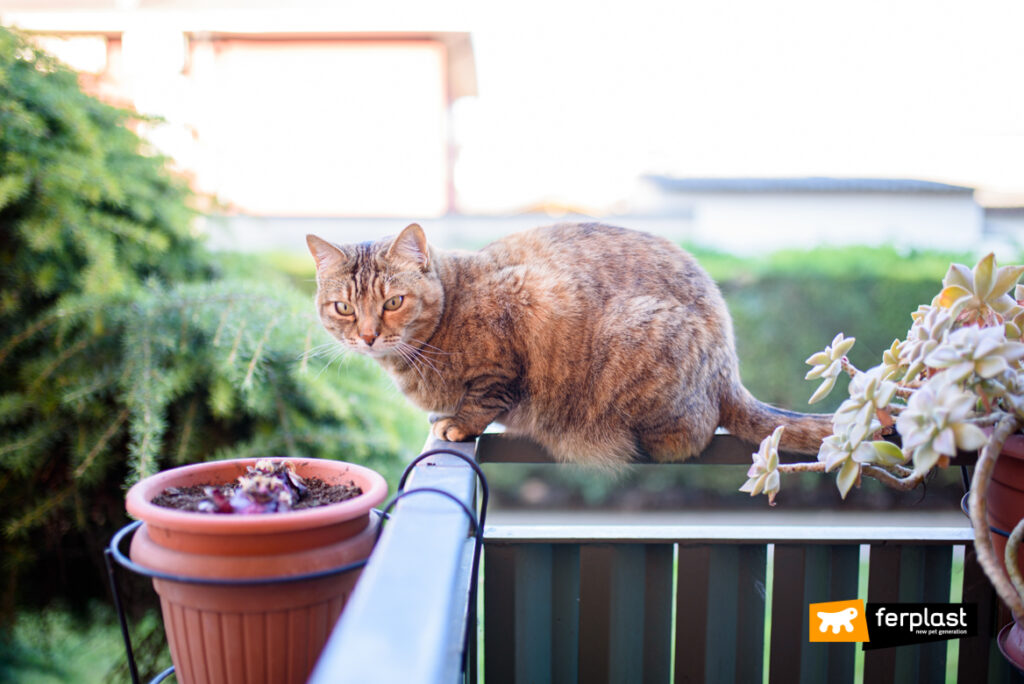
As a homeowner, you have the right to enjoy your property, including the company of your pets. However, when it comes to living in a condominium, there are rules and regulations that govern the presence of animals on the premises. In this article, we’ll delve into the world of cats in condos, exploring the rights and responsibilities of both cat owners and condo associations.
The Law is on Our Side
For years, condo associations have been hesitant to allow cats in their buildings, citing concerns about noise, mess, and potential damage. However, a recent law change has given cat owners a much-needed boost of confidence. Article 1138 of the Italian Civil Code states that “the rules of the condominium cannot prohibit the possession or ownership of domestic animals.”
This means that condo associations can no longer dictate who can or cannot own a cat in their building. However, this also raises questions about how to manage shared spaces and common areas within the condominium.
Cats in Condominium: Rights and Responsibilities
As a cat owner living in a condominium, you have certain rights:
- The right to keep your pet without fear of eviction or harassment
- The right to participate in discussions with condo associations regarding animal-related issues
However, you also have responsibilities:
- Keep your cat indoors when not supervised by you
- Clean up after your cat and dispose of waste properly
- Refrain from allowing your cat to roam freely in common areas
Cats in Condominium: Property Rights
If you’re a condo owner with a cat, you have the right to keep it as part of your family. However, if you’re renting, you may need to check your lease agreement for specific provisions regarding pets.
In some cases, condo associations may require proof of vaccination or licensing before allowing a cat into the building. In these situations, be sure to provide the necessary documentation and follow any specified guidelines.
Cats in Condominium: Common Areas
One of the biggest challenges facing cat owners in condos is managing shared spaces. If you have a cat that enjoys spending time outdoors, consider installing a catio or screened-in balcony where your pet can safely enjoy the fresh air.
When it comes to common areas like lobbies and hallways, cat owners should be mindful of their pets’ behavior and clean up after them. This will help maintain a clean and safe environment for all residents.
Cats in Condominium: Neighbors
Living in close proximity to other condo owners can sometimes lead to conflicts. If you’re experiencing issues with your neighbors regarding your cat, try to approach the situation calmly and respectfully. It’s possible that they may not be aware of their pet’s presence or behaviors.
In some cases, condo associations may need to intervene to address issues related to cats in common areas. In these situations, it’s essential to follow established protocols for reporting concerns and seeking resolution.
Cats in Condominium: Conclusion
Living with cats in a condominium can be a wonderful experience, but it requires attention to detail and a willingness to work together with your neighbors. By understanding your rights and responsibilities as a cat owner, you can enjoy the benefits of pet ownership while maintaining a harmonious living environment.
FAQs
- Can I own a cat in my condominium building if I’m not a condo owner?
No, most condominio buildings don’t allow renters to keep pets, but there is no definitive rule that makes this activity illegal. - How do I get permission from my condo association to have a cat in the building?
Contact your condo association board and explain why you want to own a pet. They may ask for documentation or require approval. - What if my neighbor doesn’t like my cat, can I still live with it?
Try approaching your neighbor and asking them about their concerns. It’s possible that they’re not aware of the issue or have misconceptions. - How do I clean up after my cat in a common area?
Always ask permission from the building management before cleaning up pet waste or bringing food into shared spaces. -
Can cats be considered a nuisance if they cause problems for neighbors?
Yes, depending on how frequently your cat causes issues with your neighbors. -
How do I know if my condo association allows pets in the building?
Check your condominium agreement, and ask your landlord or property manager about their pet policies. -
What are some common rules and regulations that govern cats in condos?
Typically, these include restrictions on pet-friendly areas of shared spaces, noise levels, waste disposal, and health-related regulations for both humans and pets. -
How can I protect myself from liability if my cat causes damage or injury to someone else’s property?
Take responsibility for your pet’s actions by keeping it indoors and under supervision when outside.


