
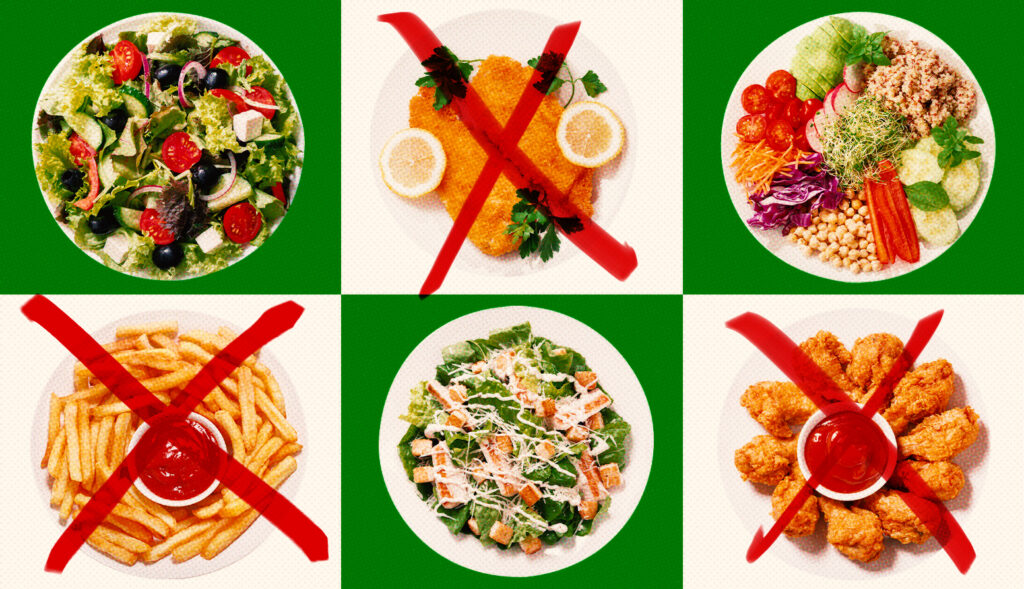
As we age, it’s natural to wonder how to maintain our physical and mental health. While it’s impossible to stop aging altogether, there are certain foods that can hinder our progress and increase the risk of chronic diseases. In this article, we’ll explore the top foods to avoid after 50 and provide tips on how to incorporate a balanced diet into your lifestyle.
The Importance of Diet in Aging
As people live longer, the importance of healthy eating becomes increasingly clear. A well-balanced diet can help prevent age-related diseases, such as heart disease, diabetes, and certain types of cancer. On the other hand, a diet high in processed foods, sugar, and unhealthy fats can lead to weight gain, inflammation, and a range of other health problems.
Mediterranean Diet: A Key to Healthy Aging
Fortunately, there is a diet that has been shown to promote healthy aging: the Mediterranean diet. This diet emphasizes whole, unprocessed foods like fruits, vegetables, whole grains, lean proteins, and healthy fats. It’s not just about what you eat, but also how you eat – moderation, enjoyment, and mindful eating are all key components of a healthy relationship with food.
Carpoidrati: The Good, the Bad, and the Ugly
Carbohydrates are an essential part of a balanced diet, providing energy for our bodies. However, not all carbohydrates are created equal. Here are some guidelines to help you navigate the world of carbs:
- Choose complex carbs: Whole grains, fruits, and vegetables are rich in fiber, vitamins, and minerals.
- Limit refined carbs: Refined grains like white bread, sugary snacks, and sweetened beverages can lead to a rapid spike in blood sugar and insulin resistance.
- Be mindful of portion sizes: Even healthy carbs can become unhealthy if consumed in excess. Aim for 2-3 servings per day.
Protein: The Building Block of Health
Protein is essential for building and repairing tissues, including muscles, bones, and organs. Here are some tips for incorporating protein into your diet:
- Choose lean sources: Opt for lean proteins like poultry, fish, beans, lentils, and dairy products.
- Variety is key: Include a variety of protein sources in your diet to ensure you’re getting all the essential amino acids.
Fats: The Good, the Bad, and the Healthy
Fats are often misunderstood as being unhealthy. However, not all fats are created equal. Here’s what you need to know:
- Choose healthy fats: Avocados, olive oil, nuts, and seeds are rich in healthy fats that support heart health and satiety.
- Limit saturated and trans fats: Avoid foods high in saturated and trans fats, which can increase cholesterol levels and contribute to heart disease.
Beverages: Hydrate, But Don’t Overdo It
Staying hydrated is essential for maintaining physical and mental health. Here are some tips for choosing healthy beverages:
- Drink plenty of water: Aim for at least 8 cups (64 oz) per day.
- Limit sugary drinks: Avoid sugary drinks like soda, sports drinks, and sweetened teas.
Snacking: Healthy Options and Red Flags
Snacking can be a challenge, especially when you’re trying to stick to your diet. Here are some tips for choosing healthy snacks:
- Choose whole foods: Opt for whole, unprocessed foods like fruits, vegetables, nuts, and seeds.
- Be mindful of portion sizes: Even healthy snacks can become unhealthy if consumed in excess.
Stress Management: A Key Component of Healthy Aging
Chronic stress can have a significant impact on our physical and mental health. Here are some tips for managing stress:
- Practice mindfulness: Take time each day to practice mindfulness, whether through meditation, deep breathing, or yoga.
- Get enough sleep: Aim for 7-8 hours of sleep per night to help regulate stress hormones.
Menopause and Diet: A New Set of Challenges
Menopause can bring a range of physical and hormonal changes. Here are some tips for navigating this phase:
- Choose calcium-rich foods: Include calcium-rich foods like dairy products, leafy greens, and fortified plant-based milk in your diet.
- Be mindful of iron intake: Iron deficiency is common during menopause; aim to include iron-rich foods like beans, lentils, and dark leafy greens in your diet.
Foods to Avoid After 50: A Comprehensive Guide
While it’s not possible to completely eliminate certain foods from our diets, being aware of the potential risks can help us make informed choices. Here are some foods to limit or avoid:
- Processed meats: Processed meats like hot dogs, sausages, and bacon have been linked to an increased risk of chronic diseases.
- Refined grains: Refined grains like white bread, sugary snacks, and sweetened beverages can lead to a rapid spike in blood sugar and insulin resistance.
- Sugary drinks: Avoid sugary drinks like soda, sports drinks, and sweetened teas, which can contribute to weight gain, inflammation, and a range of other health problems.
- Foods high in saturated and trans fats: Limit foods high in saturated and trans fats, which can increase cholesterol levels and contribute to heart disease.
Conclusion
Maintaining our physical and mental health is essential for living a long and healthy life. By being aware of the potential risks associated with certain foods and making informed choices, we can take control of our health and well-being. With a balanced diet, stress management techniques, and mindful eating habits, we can stay healthy after 50 and enjoy a fulfilling life.
Additional Tips for Healthy Aging
In addition to avoiding unhealthy foods, here are some additional tips for maintaining your physical and mental health:
- Stay active: Regular exercise can help maintain strength, flexibility, and mobility.
- Connect with others: Building strong social connections is essential for mental health and well-being.
- Get regular check-ups: Regular health check-ups can help identify potential health problems early on.
- Practice self-care: Take time each day to practice self-care activities like meditation, yoga, or reading.
Conclusion
Staying healthy after 50 requires a combination of good diet, stress management techniques, and mindful eating habits. By being aware of the potential risks associated with certain foods and making informed choices, we can take control of our health and well-being. With a balanced diet, stress management techniques, and mindful eating habits, we can stay healthy after 50 and enjoy a fulfilling life.


