
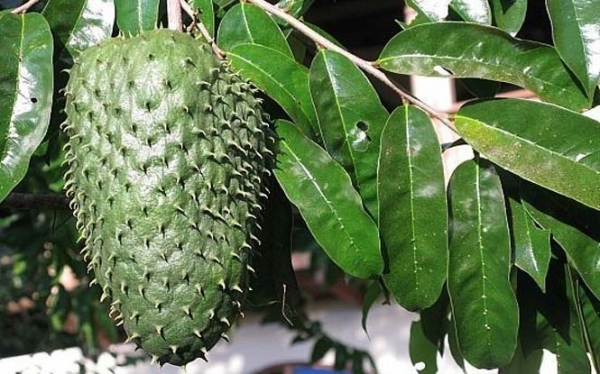
As we delve into the world of exotic fruits, one name stands out among the rest: Graviola. Also known as Guanabana or Corossole, this tropical fruit has been a staple in many cultures for centuries. In this article, we’ll explore the history of Graviola’s cultivation, its unique properties, and its versatility in cooking.
A Brief History of Graviola’s Cultivation
Graviola, the fruit of Annona muricata, is native to the low-lying lands of the Caribbean. While some sources claim that this plant cannot thrive in the Mediterranean climate, we discovered that certain varieties have been cultivated for years in Calabria, Italy. In fact, for the locals, Graviola is a common fruit, affectionately known as “u nonu” or “anona.” The name Graviola might seem more fitting to a type of cheese!
The history of Graviola’s cultivation dates back to the 17th century, when it was first introduced by Spanish missionaries in Mexico. From there, it spread throughout Central and South America, eventually reaching the Caribbean islands where it became an integral part of local cuisine.
Describing the Fruit
Despite its size differences between the tropical and Calabrian varieties, the fruit’s description remains the same: a thin, dark green skin with soft acules, a white-creamy pulp, and a sweet taste. Whether consumed on its own or used in various recipes, Graviola is a versatile ingredient.
The appearance of Graviola can be deceiving, as the outside may look like a normal fruit, but the inside is where the magic happens. The pulp is soft and creamy, with a sweetness that’s both familiar and exotic. When ripe, the fruit emits a sweet, fruity aroma that draws you in.
How to Enjoy Graviola
Given its soft texture, Graviola can be easily sliced in half and enjoyed on its own with a spoonful of sugar. For those who prefer smoothies, it pairs perfectly with cold milk. More elaborate preparations include cakes, ricotta and annona tortines, and cream-filled crostadas.
To prepare Graviola for consumption, simply slice the fruit in half and scoop out the pulp with a spoon. The seeds can be removed by hand or with a spoon, leaving you with a delicious and refreshing snack.
Seasonal Availability
While imported Graviola is available throughout the year, the Italian variety has a strict harvesting schedule: between late August and early September, the fruit is ripe for the picking, with the peak season running from September to mid-December.
If you’re looking to enjoy fresh Graviola, be sure to check with local farmers or importers in your area. You can also try growing your own Graviola plant, which can thrive in a variety of climates with proper care and attention.
The Size and Composition of Graviola
With an average weight of 210 grams, some Graviolas can reach up to 1 kilogram! The pulp accounts for approximately 80% of the fruit’s weight, while the remaining 20% is comprised of the skin and seeds, which have a distinctive black color.
The size of Graviola can vary depending on factors such as climate, soil quality, and cultivation methods. However, in general, the fruit tends to grow larger in warmer climates with plenty of sunlight and water.
The Health Benefits of Graviola
Graviola has garnered attention for its numerous health benefits: anti-tumor properties, Parkinson’s disease relief, antidepressant effects, antibacterial actions… It seems that some bioactive compounds within the fruit may help counteract cancerous cells without harming healthy ones. The antidepressive properties are attributed to the alcaloids present in the pulp, while the antibacterial activity can be linked to the high amount of antioxidants.
While more research is needed to confirm the effectiveness of Graviola for certain health conditions, its potential benefits make it an exciting discovery for the culinary and healthcare worlds alike. As we continue to explore the properties of Graviola, we may uncover even more ways to harness its power.
Frequently Asked Questions
- What is Graviola and where does it come from?
Graviola is a tropical fruit native to the Caribbean, with some varieties cultivated in Calabria, Italy. - How do I consume Graviola?
You can enjoy Graviola on its own or use it in various recipes, such as smoothies, cakes, and desserts. - Is Graviola available all year round?
Imported Graviola is available throughout the year, while the Italian variety has a strict harvesting schedule between late August and early September. - What is the size of an average Graviola?
The average weight of Graviola is approximately 210 grams, with some fruits reaching up to 1 kilogram. - What are the health benefits of Graviola?
Graviola has been linked to anti-tumor properties, Parkinson’s disease relief, antidepressant effects, and antibacterial actions. - Can I grow my own Graviola plant?
While some varieties can be cultivated, Graviola is typically grown in tropical climates, making it challenging for home gardeners in cooler regions. - How do I store Graviola?
Graviola should be stored in a cool, dry place to maintain its freshness and prevent spoilage. - Can I consume Graviola seeds or skin?
While the seeds have been shown to possess health benefits, it is recommended to consume only the pulp and flesh of the fruit to avoid any potential digestive issues.
Growing Your Own Graviola Plant
If you’re interested in trying your hand at cultivating Graviola, be prepared for a challenge. While some varieties can thrive in a variety of climates, Graviola typically requires a tropical or subtropical environment with high humidity and plenty of sunlight.
To grow your own Graviola plant, start by acquiring a seedling or nursery plant from a reputable supplier. Choose a location with full sun and well-draining soil to ensure optimal growth.
Tips for Growing Graviola
- Water regularly: Graviola prefers moist soil but can be susceptible to root rot if the soil is too wet.
- Provide adequate sunlight: Graviola requires at least 6 hours of direct sunlight per day.
- Fertilize regularly: Feed your plant with a balanced fertilizer during the growing season to promote healthy growth.
- Prune regularly: Prune your plant to maintain its shape and encourage fruiting.
With proper care and attention, you may be able to grow your own Graviola plant and enjoy this exotic fruit in the comfort of your own home.


