
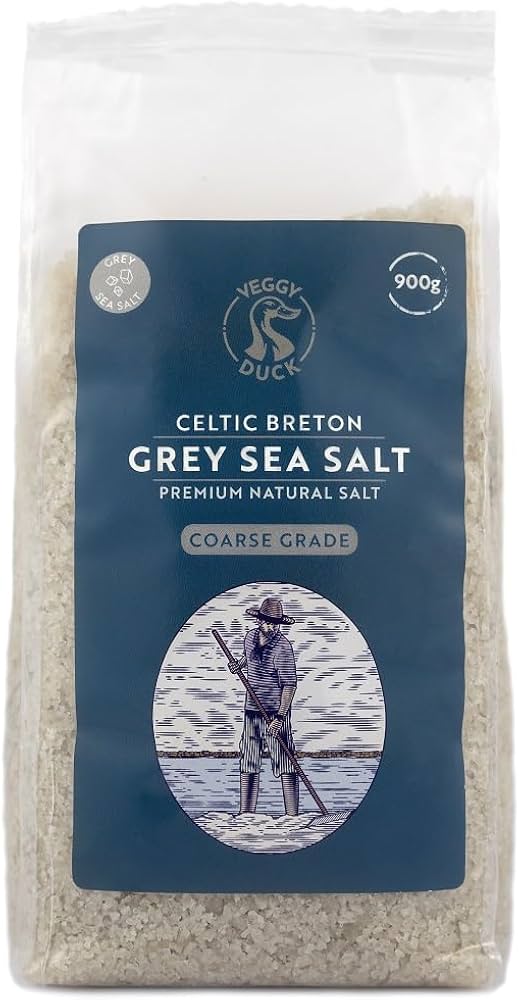
What is Gray Salt?
Gray salt, also known as gray Celtic salt or unrefined sea salt, refers to a single type of salt harvested from the waters of France and Great Britain. The waters are called “Celtic Sea” due to the historical presence of the Celts in these regions.
The people who once inhabited this vast area of Europe, which included modern-day Britain, France, Spain, and Italy, were responsible for many pagan festivals, including Halloween. Gray salt was known as Celtic salt because it was harvested from waters under their dominion.
Gray salt has a long history of extraction dating back to ancient times, and even today, its collection is still done manually. The process involves collecting seawater in shallow pools, where the saltwater naturally crystallizes over time, forming a layer of pure, unrefined salt.
Gray Salt vs. Atlantic Ocean Salt
While both gray salt celtic and ocean salt come from the same sea, there are some differences between the two. The color of gray salt comes from natural clay in the argillaceous soil where it crystallizes. Like the red salt of Hawaii, which owes its color to naturally occurring red iron compounds, gray salt gets its distinctive hue due to high levels of magnesium present in the clay.
Gray salt is also lower in sodium compared to regular table salt because of its higher concentration of other essential minerals like magnesium and calcium. Both types of salt undergo the same crystallization process with the argillaceous soil.
The difference between the composition of gray celtic and ocean salt lies mainly in their mineral content and origin. However, both are harvested using the same method.
Gray Salt from Brittany
Gray salt from Brittany has a similar chemical makeup to French gray salt. It’s also rich in magnesium and lower in sodium compared to common table salt.
Like other types of gray salt, its color comes from natural clay during crystallization with clay.
Gray salt from Bretagna is used as a substitute for the traditional French gray salt. Its characteristics are identical to those of the French version.
The Benefits of Gray Salt
Gray salt has several benefits that make it an excellent addition to your cooking routine. Here are some of its key advantages:
- Rich in Minerals: Gray salt is rich in essential minerals like magnesium, calcium, and potassium, which can help lower blood pressure and improve overall health.
- Lower Sodium Content: Compared to regular table salt, gray salt has a lower sodium content, making it an excellent choice for those with high blood pressure or on a low-sodium diet.
- Unique Flavor: Gray salt has a unique flavor profile that is often described as milder and more nuanced than regular table salt.
- High Quality: Gray salt is harvested manually, ensuring that each grain is free from additives and preservatives.
Using Gray Salt in Cooking
Gray salt can be used like regular table salt. It’s particularly suitable for fish, white meat, and steamed vegetables. Personally, I use it in salads and red meats too!
Gray salt is a good alternative to common salt when it comes to adding flavor to your dishes. The subtle nuances of its mineral content make it perfect for enhancing the natural flavors of various ingredients.
Some tips for using gray salt in cooking:
- Use it sparingly: Gray salt is more potent than regular table salt, so use it sparingly to avoid overpowering your dishes.
- Pair it with other ingredients: Gray salt pairs well with ingredients like lemon juice, garlic, and herbs to create a flavorful and aromatic sauce.
- Experiment with different recipes: Try using gray salt in place of regular table salt in your favorite recipes to add depth and complexity to your dishes.
Where to Buy Gray Salt
You can find gray salt at most supermarkets labeled as “Gray Celtic Salt” or “Gray Atlantic Salt” or simply “Gray Sea Salt.” However, not all products carrying these labels provide accurate information about production methods and origin.
One good option is to look for a product that has been certified by the IGP (Protected Geographical Indication) scheme, which guarantees its authenticity. In this case, consider buying the gray salt of Guérande from Amazon with the IGP certification.
A kilogram of this product costs 11.48 euros. For more information about the product, please visit the Amazon page for Gros Sel de Guérande.
Regardless of the product you choose, make sure it’s been harvested by hand and processed naturally to ensure maximum nutritional value. Also, check that it comes from a region known for its Celtic heritage.
Tips for Buying Gray Salt
When buying gray salt, here are some tips to keep in mind:
- Look for IGP certification: Ensure that the product is certified by the IGP scheme, which guarantees its authenticity and origin.
- Check the ingredients: Make sure the product does not contain any additives or preservatives.
- Choose a reputable brand: Look for brands that have a reputation for producing high-quality gray salt.
- Read reviews: Check online reviews to see what other customers have to say about the product.
FAQs
Q: What is the main difference between gray Celtic salt and Atlantic Ocean salt?
A: While both come from the same sea, they differ in their mineral content and origin due to crystallization processes with clay.
Q: Why does gray salt have a different color than other types of salt?
A: The unique color comes from natural clay present during crystallization, similar to red salt in Hawaii due to iron compounds.
Q: Is it true that gray salt has lower sodium levels compared to regular table salt?
A: Yes, its higher concentration of essential minerals like magnesium and calcium make it a better option for those looking for less sodium in their diet.
Q: Can I use gray salt as a substitute for common salt in cooking?
A: Yes, due to its similar taste and versatility, gray salt is perfect for adding flavor to various dishes.
Q: Where can I buy authentic gray salt?
A: Look for products certified by the IGP scheme or those harvested manually. Always check for accurate product information when purchasing online.
Q: What makes gray salt a nutritious alternative to regular table salt?
A: Its higher mineral content, specifically magnesium and calcium, make it a better choice for those seeking added nutrition in their diet.
Q: Can I buy gray salt from anywhere?
A: While easily found at most supermarkets, look for products with accurate labeling and IGP certification to ensure authenticity.


