
What is Nopal?
Nopal, also known as prickly pear cactus fruit, is a plant that has been widely recognized for its numerous health benefits. Native to the Americas, nopal has gained popularity worldwide due to its versatility and effectiveness in preventing various diseases.
Nopal is a member of the Cactaceae family and is native to Mexico, Central America, and South America. It is a succulent plant with spiny stems that can grow up to 10 feet long and produce small white flowers and red fruits. The fruits are rich in nutrients and have been used for centuries by indigenous people as a food source and medicine.
Nutritional Benefits of Nopal
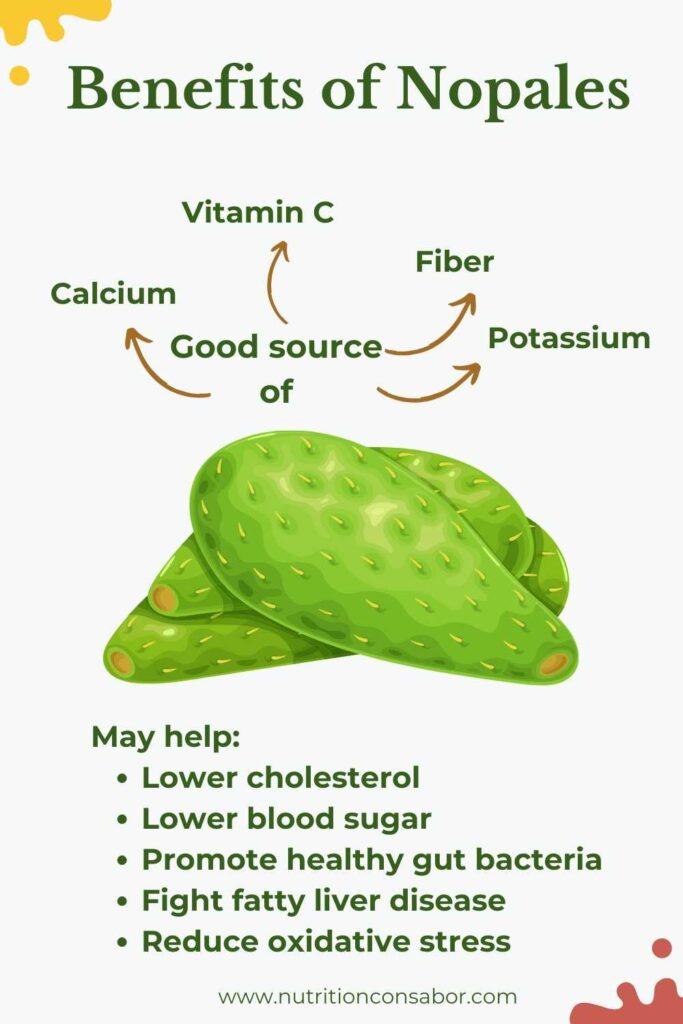
Nopal is an excellent source of essential nutrients, including calcium, phosphorus, potassium, sodium, carbohydrates, nitrogenous compounds, fibers, vitamins A, B, C, and K, chlorophyll, riboflavin, and proteins. The nopal’s nutritional profile makes it an excellent addition to a healthy diet.
Some of the key nutritional benefits of nopal include:
- High in antioxidants: Nopal contains high levels of antioxidants, which can help protect against oxidative stress and inflammation.
- Rich in fiber: Nopal is a good source of dietary fiber, which can help promote digestive health and support healthy blood sugar levels.
- Good source of minerals: Nopal is a good source of minerals such as calcium, phosphorus, potassium, and sodium, which are essential for maintaining healthy bones, teeth, and muscles.
External Uses of Nopal
Nopal is also used in traditional medicine for external applications, such as skin care and hair treatment. Its extracts are incorporated into various cosmetic products, including soaps, shampoos, balms, and lotions. In folk medicine, nopal is applied topically to soothe burns and minor cuts.
Some of the external uses of nopal include:
- Skin care: Nopal extracts can be used to treat skin conditions such as acne, eczema, and psoriasis.
- Hair treatment: Nopal extracts can be used to promote hair growth and improve scalp health.
- Burns and wounds: Nopal is applied topically to soothe burns and minor cuts.
Using Nopal in Cuisine
Nopal can be consumed in various forms, such as juice, salsa, powder, desserts, cooked dishes, salads, marmalades, soups, and even added to cereals or fruit. Its tender skin makes it a great addition to salads and other meals.
Some of the ways to use nopal include:
- Juicing: Nopal can be juiced and consumed as a refreshing beverage.
- Salsa: Nopal can be used to make delicious salsas and sauces.
- Powdered nopal: Nopal powder can be added to desserts, smoothies, and other recipes.
Removing the Spines from Nopal Fruits
Removing the spines from nopal fruits can be challenging. For this reason, we recommend reading our article “How to Clean Nopals”.
Therapeutic Properties of Nopal
Nopal has been found to have numerous therapeutic properties, making it a natural remedy for various health issues.
Reducing Arteriosclerosis
Nopal’s antioxidant and anti-inflammatory properties help combat arteriosclerosis, a cardiovascular disease caused by plaque buildup in blood vessels.
Lowering Cholesterol Levels
The nopal’s high content of amino acids, vitamin B3, and fibers helps regulate blood sugar levels and reduces triglycerides, thereby lowering cholesterol levels.
Preventing Colon Irritability
Nopal’s fiber content aids in preventing the absorption of fatty acids and carbohydrates, maintaining a balanced digestive system and controlling obesity.
Relieving Digestive Issues
The nopal’s vitamin B group (1, 2, and 3), as well as vitamins C and calcium, help regulate digestion, protecting against the negative effects of alcohol or heavy foods.
Supporting Immune Function
Nopal’s rich vitamin content and minerals enable the body to fight off infections and toxins, protecting against diseases caused by environmental factors, smoking, and excessive drinking.
Strengthening Nervous System
Nopal helps reduce stress and promotes a better mood, as well as alleviating symptoms of depression and anxiety.
Diuretic Properties
The nopal’s juice is used to treat urinary tract infections and alleviate pain in the kidneys or bladder.
Conclusion
In conclusion, nopal has proven itself to be an excellent natural remedy for various health issues. With its numerous nutritional benefits and therapeutic properties, it is clear that incorporating nopal into your diet can have a significant impact on overall well-being. Whether you consume it as a food item, apply it topically, or drink the juice, nopal is sure to become a valuable addition to your healthcare routine.
Frequently Asked Questions
- What is the best way to consume nopal?
Nopal can be consumed in various forms, including juice, salsa, powder, desserts, cooked dishes, salads, marmalades, soups, and even added to cereals or fruit. - Is nopal safe for everyone to eat?
While generally considered safe, it’s essential to consult a healthcare professional before consuming nopal if you have any underlying health conditions. - Can I use nopal externally on my skin?
Yes, nopal extracts are incorporated into various cosmetic products and can be applied topically to soothe burns and minor cuts. - How do I remove the spines from nopal fruits?
Removing the spines from nopal fruits requires careful handling. We recommend reading our article “How to Clean Nopals”. - Can nopal help lower cholesterol levels?
Yes, nopal’s high content of amino acids, vitamin B3, and fibers helps regulate blood sugar levels and reduces triglycerides. - What are the benefits of consuming nopal juice?
Nopal juice is an excellent natural remedy for various health issues, including reducing arteriosclerosis, lowering cholesterol levels, preventing colon irritability, relieving digestive issues, supporting immune function, strengthening the nervous system, and exhibiting diuretic properties. - How can I incorporate nopal into my diet?
You can consume nopal in various forms, such as juice, salsa, powder, desserts, cooked dishes, salads, marmalades, soups, and even added to cereals or fruit. - Can I use nopal for medicinal purposes without consulting a doctor?
While generally considered safe, it’s essential to consult a healthcare professional before consuming nopal if you have any underlying health conditions.
Anna De Simone


