
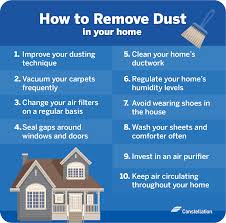
Are you tired of living in a dusty home? Do you find yourself constantly dusting and vacuuming, only to have the dust return again soon after? You’re not alone. The presence of dust in your home can be detrimental to your health and wellbeing, as well as the appearance of your furniture and decor.
But fear not! With a few simple ingredients and some basic household items, you can create natural cleaning products that will leave your home sparkling clean and free from dust.
Why Natural Cleaning Matters
When it comes to cleaning, many of us reach for chemical-based products that promise to get the job done quickly and easily. However, these products often come with a price: they can be harsh on our skin and respiratory systems, and even worse, they can harm the environment.
That’s why natural cleaning has become increasingly popular in recent years. By using natural ingredients and avoiding harsh chemicals, you can create cleaning products that are not only effective but also eco-friendly and healthy for your family.
A Simple Recipe for Dust Removal
One of the simplest ways to remove dust from your home is by using a homemade antipolvere (anti-dust spray). This natural spray uses just three ingredients: olive oil, lemon essential oil, and white vinegar.
Here’s what you’ll need:
- 20 grams of olive oil
- 5 drops of lemon essential oil
- 60 ml of white vinegar
- 300 ml of distilled water
- A container spray bottle
- A microfiber cloth
How to Make the Spray
To make the antipolvere, simply combine the olive oil and lemon essential oil in a small bowl. Then, add the white vinegar and distilled water to the mixture and stir until well combined.
Next, pour the mixture into your container spray bottle and shake it gently before each use.
How to Use the Spray
To use the antipolvere, simply spritz a small amount onto the surface of the furniture or decor that you want to clean. Let it sit for a few minutes before using a microfiber cloth to wipe away any remaining dust.
Repeat as needed until the surface is completely dust-free.
Additional Tips and Variations
If you find that your antipolvere doesn’t quite get rid of all the dust, try mixing in some additional ingredients. For example, you can add a few drops of tea tree oil for its antibacterial properties or use baking soda to absorb any lingering odors.
Alternatively, you can also use this recipe as a base and experiment with different combinations of ingredients to create your own unique cleaning products.
Benefits of Natural Cleaning
Natural cleaning offers several benefits over traditional methods. Here are just a few:
- Healthier for Your Family: Natural cleaning products are free from harsh chemicals that can irritate skin, respiratory systems, and other health problems.
- Environmentally Friendly: By using natural ingredients, you’re reducing your carbon footprint and minimizing the impact on our planet’s ecosystems.
- Cost-Effective: While natural cleaning products may be slightly more expensive upfront, they often require fewer replacements and can last longer than traditional products.
- Customizable: Natural cleaning allows you to create products that meet your specific needs and preferences.
Other Natural Cleaning Recipes
In addition to the antipolvere recipe, here are a few other natural cleaning recipes you might find useful:
- All-Purpose Cleaner: Mix 1 cup of water with 1 tablespoon of white vinegar, 1 tablespoon of castile soap, and 10 drops of lemon essential oil. Shake well and use on surfaces such as countertops, sinks, and mirrors.
- Glass Cleaner: Combine 1 cup of water, 1/2 cup of white vinegar, and 1 tablespoon of club soda in a spray bottle. Shake well before each use.
- Laundry Detergent: Mix 1 cup of washing soda, 1 cup of borax, and 1 bar of soap (such as Dr. Bronner’s) with warm water to create a natural laundry detergent.
Tips for Using Natural Cleaning Products
Here are a few tips to keep in mind when using natural cleaning products:
- Always Read Labels Carefully: Even though these products are natural, it’s still important to read the labels and follow instructions carefully.
- Test a Small Area First: Before using any new cleaning product, test a small area of the surface you’re about to clean to ensure that it won’t damage the material.
- Use Microfiber Cloths: Microfiber cloths are gentle on surfaces and can help pick up dust and dirt easily.
- Avoid Over-Cleaning: While natural cleaning products may be more effective than traditional ones, they can still cause over-cleaning. Be sure to use them sparingly and only when necessary.
Common Mistakes to Avoid
Here are a few common mistakes to avoid when using natural cleaning products:
- Using Too Much Water: Natural cleaning products often require less water than traditional products. Using too much water can lead to streaks, spots, and other damage.
- Not Following Instructions: Failing to follow the instructions on the label or recipe can lead to ineffective cleaning or even damage to surfaces.
- Using the Wrong Cleaning Tool: Using the wrong cleaning tool (such as a paper towel) can scratch or damage surfaces. Always use microfiber cloths or soft, lint-free cloths instead.
Conclusion
Natural cleaning is not only better for our health and wellbeing, but it’s also easier on the environment. By using natural ingredients and avoiding harsh chemicals, we can create effective cleaning products that leave our homes sparkling clean without harming the planet.
So next time you’re looking for a way to remove dust from your home, try making an antipolvere using olive oil, lemon essential oil, and white vinegar. Your home – and the environment – will thank you!
Frequently Asked Questions
- Q: Is it safe to use natural cleaning products on all surfaces?
A: While many natural cleaning products are safe for most surfaces, it’s always best to test a small area first to ensure that they won’t damage the material. - Q: How often should I make and reapply my antipolvere?
A: Depending on how dusty your home is, you may need to remake and reapply your antipolvere every week or two to keep your surfaces clean and dust-free. - Q: Can I use this recipe as a substitute for traditional cleaning products?
A: While this recipe can be very effective, it’s not always a direct substitute for commercial cleaning products. You may need to adjust the amount of ingredients or add additional components depending on the specific task at hand. - Q: Are natural cleaning products more expensive than traditional ones?
A: In many cases, yes. Natural cleaning products can be slightly more expensive than their chemical-based counterparts. However, they offer long-term benefits for your health and wellbeing that may outweigh any initial cost savings. -
Q: Can I customize this recipe to suit my specific cleaning needs?
A: Absolutely! The beauty of natural cleaning is that you can experiment with different combinations of ingredients to create products that meet your unique cleaning requirements. -
Q: Are there any specific precautions I should take when using natural cleaning products?
A: Yes, be sure to always read the labels carefully and follow instructions for use. Additionally, if you have sensitive skin or allergies, it’s a good idea to do a patch test before applying any new cleaning product. -
Q: Can I make this recipe in large quantities?
A: While you can certainly make larger batches of this antipolvere, be aware that the shelf life may decrease over time. It’s best to use small quantities and remake as needed. -
Q: Is it possible to use this recipe on upholstery or carpets?
A: For upholstered furniture, a microfiber cloth is usually sufficient for dusting and cleaning. However, for carpets, you may need to use a combination of vacuuming and spot cleaning with natural cleaning products specifically designed for carpets. -
Q: Can I use this recipe as a disinfectant or sanitizer?
A: While this antipolvere can be effective against dust and dirt, it’s not always the best option for disinfecting or sanitizing surfaces. For these tasks, consider using natural disinfectants like hydrogen peroxide or essential oils specifically designed for cleaning. -
Q: Are there any natural cleaning products that I should avoid?
A: Yes, be sure to avoid products containing harsh chemicals, such as bleach or ammonia. These can be toxic and even life-threatening if ingested or inhaled.


