
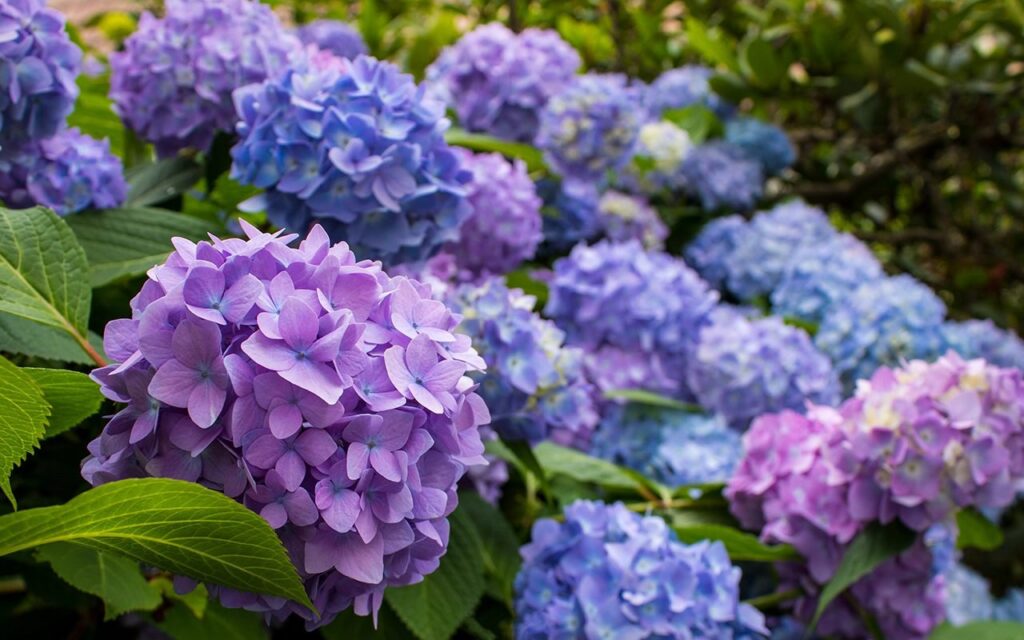
As a gardener, you know the joy of nurturing your plants and watching them thrive. One of the most popular ornamental flowers is the hydrangea, with its beautiful blooms and versatility in gardening. However, many people don’t know how to care for hydrangeas properly, leading to disappointing results. In this article, we will provide a comprehensive guide on how to care for hydrangeas in your garden or indoor space.
Choosing the Right Hydrangea Variety
Hydrangeas come in various shapes and sizes, from compact shrubs to climbing vines. There are two main types of hydrangeas: bigleaf (or oak-leaf) and panicle hydrangeas. Bigleaf hydrangeas have large leaves and produce white or pink flowers, while panicle hydrangeas have smaller leaves and produce clusters of small flowers. When choosing a variety, consider the size and shape you want for your garden.
- Bigleaf Hydrangeas: These are one of the most popular varieties of hydrangeas, known for their large, showy blooms. They come in a range of colors, including white, pink, blue, and purple.
- Panicle Hydrangeas: These hydrangeas have smaller leaves than bigleaf hydrangeas and produce clusters of small flowers. They are often used as ornamental plants in gardens.
Hydrangea Care 101: Tips and Tricks
- Lighting: Hydrangeas prefer partial shade to full sun, depending on the variety. Make sure your hydrangeas receive enough light to promote healthy growth.
- Watering: Keep the soil consistently moist but not waterlogged. Check the soil moisture by inserting a finger into the soil up to the knuckle. If the soil feels dry, it’s time to water.
- Fertilization: Feed your hydrangeas with a balanced fertilizer in early spring and summer. This will promote healthy growth and flowering.
- Pruning: Prune your hydrangeas after blooming to encourage new growth. Cut back stems to about 6 inches from the ground.
Indoor Hydrangea Care
For indoor hydrangeas, use pots that are at least 30 cm in diameter. Keep the soil consistently moist but not waterlogged. Fertilize with a balanced fertilizer every 1-2 weeks. Prune your indoor hydrangeas after blooming to encourage new growth.
- Lighting: Indoor hydrangeas require bright, indirect light. Place them near an east- or west-facing window for optimal lighting.
- Temperature: Keep your indoor hydrangeas in a room with a consistent temperature between 65-75°F (18-24°C).
- Humidity: Hydrangeas prefer high humidity, but they can adapt to average humidity levels.
Soil pH and Color
The color of your hydrangeas depends on the pH level of your soil. Acidic soils (pH below 6) produce blue or purple flowers, while alkaline soils (pH above 7) produce pink or white flowers. To adjust your soil pH, add lime to make it more alkaline or sulfur to make it more acidic.
Potting Hydrangeas
If you want to pot your hydrangeas, use a well-draining potting mix and a container that is at least 30 cm in diameter. Water the plant regularly but avoid overwatering.
- Soil Mix: Use a potting mix specifically designed for hydrangeas. This will help retain moisture while preventing waterlogging.
- Container Size: Choose a container that is at least 30 cm in diameter to provide enough room for root growth.
Common Hydrangea Problems
Some common problems when growing hydrangeas include:
- Overwatering: causes root rot
- Underwatering: causes leaf scorch
- Pests: aphids, whiteflies, and spider mites
- Diseases: powdery mildew and leaf spot
Tips for Propagating Hydrangeas
Hydrangeas can be propagated through stem cuttings or division. Take 8-10 cm long stem cuttings in the summer, remove lower leaves, and plant them in a pot filled with moistened sphagnum moss. Keep the soil consistently moist until roots develop.
Drying Hydrangea Flowers
Hydrangea flowers can be dried to create beautiful arrangements or decorations. Simply tie the stems together and hang them upside down in a warm, dry place.
FAQs:
- How often should I water my hydrangeas?
Water your hydrangeas when the top inch of soil feels dry to the touch. - Can I grow hydrangeas in containers?
Yes, you can grow hydrangeas in containers, but make sure they have good drainage holes and are at least 30 cm in diameter. - How do I prune my hydrangeas?
Prune your hydrangeas after blooming to encourage new growth. Cut back stems to about 6 inches from the ground. - Can I grow hydrangeas indoors?
Yes, you can grow hydrangeas indoors, but make sure they have enough light and are kept at a consistent temperature between 65-75°F (18-24°C). - How do I protect my hydrangeas from pests?
Use insecticidal soap or neem oil to control pests like aphids, whiteflies, and spider mites. - Can I grow hydrangeas in acidic soil?
Yes, hydrangeas can be grown in acidic soil, but make sure the pH level is between 5.5-6.5 for optimal growth. - How do I propagate hydrangeas through division?
Divide your hydrangea plants in the spring or fall when they are dormant. Dig up the plant, separate the roots, and replant them in a new location.
By following these tips and tricks, you’ll be well on your way to growing beautiful, thriving hydrangeas in your garden or indoor space. Happy gardening!


