
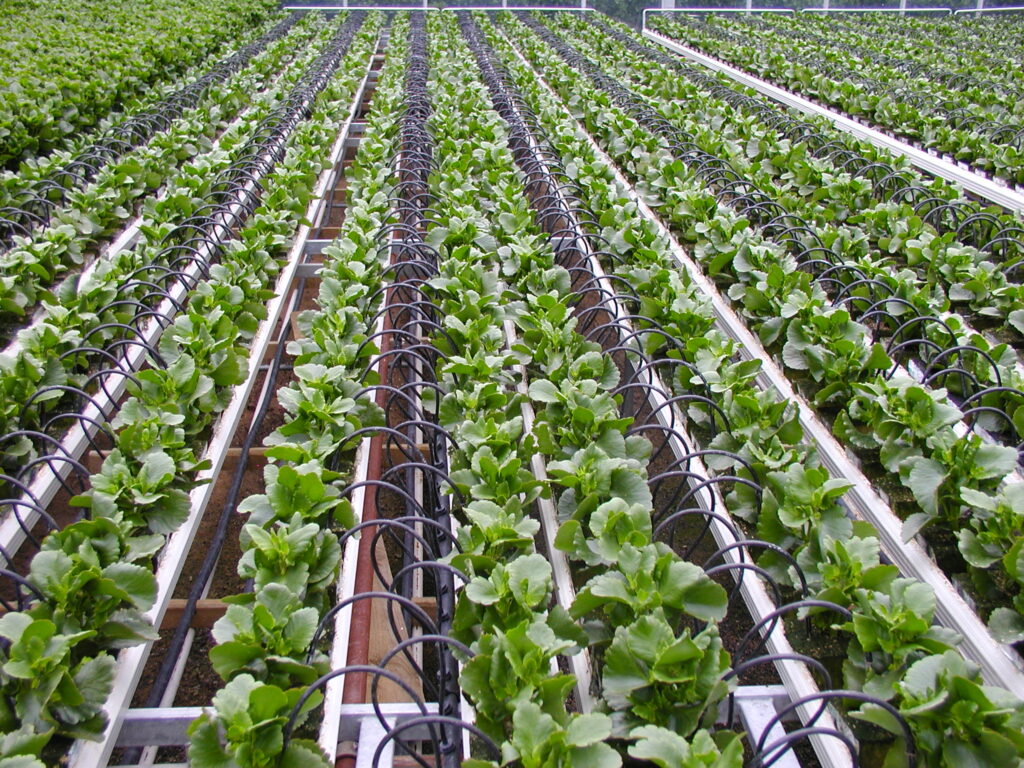
Are you ready to welcome the arrival of summer without worrying about leaving your plants unattended? One effective solution is implementing an automatic drip irrigation system. Among the various options available, drip irrigation stands out for its ability to conserve water, time, and labor. In this article, we’ll delve into the world of drip irrigation, exploring its benefits, types, installation, and best practices.
What is Drip Irrigation?
Drip irrigation involves delivering a precise amount of water directly to the roots of plants, ensuring optimal hydration while minimizing waste. This method maintains a healthy soil moisture level, which in turn promotes healthy plant growth.
Types of Drip Irrigation Systems
There are several types of drip irrigation systems available, each designed for specific purposes and applications:
- Fixed-Drop Irrigation: This type involves installing the drippers at fixed intervals, usually 12-18 inches apart.
- Semi-Fixed Irrigation: The drippers are positioned semi-fixedly, allowing for some flexibility in adjustment.
- Floating Irrigation: The drippers float on the surface of the water or soil, providing a more natural watering experience.
Choosing the Right Drip Irrigation System
When selecting a drip irrigation system, consider the following factors:
- Plant type and size
- Soil moisture levels
- Climate and weather conditions
- Space constraints
Benefits of Drip Irrigation
Drip irrigation offers numerous benefits, including:
- Water conservation: Up to 50% less water usage compared to traditional methods
- Time-saving: Reduced watering frequency and duration
- Labor-saving: No need for manual watering or maintenance
- Soil health: Improved soil moisture levels and reduced erosion
How to Install a Drip Irrigation System
Installing a drip irrigation system requires careful planning and execution. Follow these steps:
- Plan your system: Determine the layout, tubing size, and dripper placement based on plant spacing and soil type.
- Prepare the area: Clear the planting area of debris and weeds.
- Install the tubing: Lay out the tubing, ensuring it’s properly secured to prevent damage or kinking.
- Position the drippers: Install the drippers according to your system design.
Best Practices for Drip Irrigation
To ensure optimal performance from your drip irrigation system:
- Monitor soil moisture levels: Regularly check the soil moisture level to adjust watering schedules accordingly.
- Adjust sprinkler heads: Adjust sprinkler heads as needed to maintain proper water distribution and minimize evaporation.
- Maintain system cleanliness: Regularly clean debris and sediment from the system to prevent clogging.
Common Mistakes to Avoid
When implementing a drip irrigation system, be aware of these common mistakes:
- Insufficient tubing size: Using tubes that are too small can lead to inefficient water distribution and reduced plant growth.
- Incorrect dripper placement: Misplacing drippers can result in uneven watering patterns and reduced plant health.
Sustainable Drip Irrigation Systems
To create an even more sustainable drip irrigation system, consider the following:
- Use rainwater harvesting systems to collect and store rainwater for irrigation purposes.
- Implement a mulching program to reduce soil evaporation and retain moisture.
- Plant drought-tolerant species to minimize water requirements.
Drip Irrigation System Maintenance
Regular maintenance is essential to ensure your drip irrigation system operates efficiently. Here are some tasks to perform:
- Check tubing for damage: Regularly inspect the tubing for signs of damage, such as cracks or holes.
- Clean the drippers: Clean debris and sediment from the drippers to prevent clogging.
- Adjust sprinkler heads: Adjust sprinkler heads as needed to maintain proper water distribution and minimize evaporation.
Advanced Drip Irrigation System Features
Consider incorporating advanced features into your drip irrigation system, such as:
- Smart sensors that detect soil moisture levels and adjust watering schedules accordingly.
- Weather stations that monitor weather conditions and adjust the irrigation schedule accordingly.
- Mobile apps that allow you to monitor and control your drip irrigation system remotely.
Conclusion
Drip irrigation is a highly effective solution for gardeners looking to conserve water, time, and labor. By understanding the benefits, types, installation, and best practices of drip irrigation systems, you can create a thriving and sustainable gardening experience. Whether you’re starting from scratch or upgrading your existing irrigation system, this comprehensive guide will provide you with the knowledge and tools needed to make the most out of your automatic drip irrigation system.
Final Tips for Drip Irrigation Success
In addition to the information provided in this article, consider these final tips for achieving success with your drip irrigation system:
- Regularly monitor soil moisture levels to adjust watering schedules accordingly.
- Implement a mulching program to reduce soil evaporation and retain moisture.
- Plant drought-tolerant species to minimize water requirements.
By following the guidelines outlined in this article, you can create an efficient and effective drip irrigation system that meets your unique gardening needs.


