
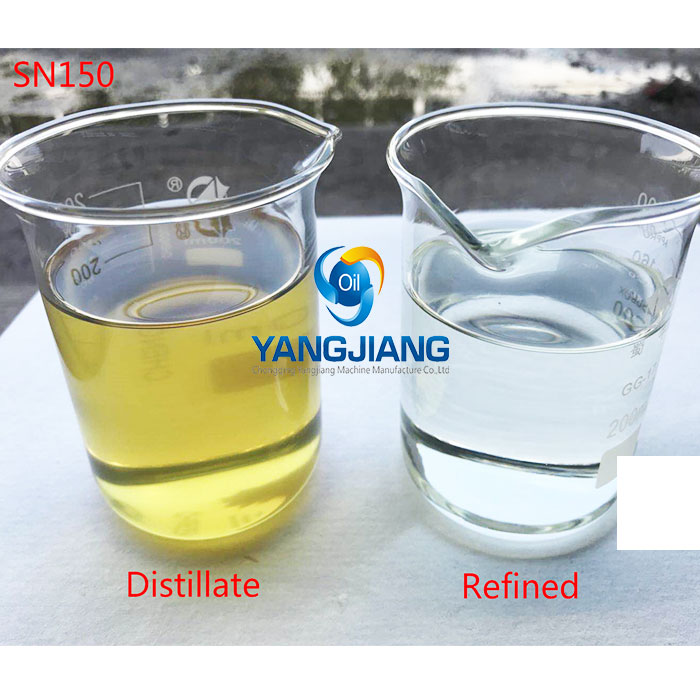
White petroleum, also known as petrolio bianco or petrolio lampante, is a type of hydrocarbon liquid that has been utilized for its lubricating and solvent properties for decades. Its strong odor and wide range of applications make it an essential commodity in various industries.
What are the History and Evolution of White Petroleum?
The origins of white petroleum can be traced back to the 18th century, when it was first discovered in Italy. Initially used as a lubricant, its uses soon expanded to include cleaning surfaces and as a fuel source. Over time, its composition and properties have evolved due to changes in refining processes and market demands.
What are the Chemical Composition of White Petroleum?
White petroleum is primarily composed of hydrocarbons, which can be classified into two main categories: aliphatic and aromatic compounds. Its chemical composition varies depending on the refinery process and crude oil used for production.
- Aliphatic hydrocarbons: These hydrocarbons have a straight chain structure and are typically found in lower boiling points.
- Aromatic hydrocarbons: These hydrocarbons possess a planar, ring-shaped structure and have higher boiling points.
What are the Physical Properties of White Petroleum?
White petroleum has distinct physical properties that contribute to its practical applications:
- Density: The density of white petroleum varies depending on the refining process, but it is generally lower than oil.
- Viscosity: Its viscosity affects its flowability and suitability for specific uses.
- Flash point: White petroleum has a relatively low flash point, making it hazardous if not handled properly.
Uses of White Petroleum
White petroleum’s unique properties make it suitable for various applications:
- Lubricant: Used to lubricate machinery, chains, and other mechanical parts due to its low friction coefficient.
- Cleaning agent: Effective for cleaning surfaces, removing grease, grime, and stains due to its solvent properties.
- Fuel source: Can be used as a fuel for lamps, stoves, and other combustion devices due to its high energy content.
Industrial Applications of White Petroleum
White petroleum’s versatility has led to its adoption in various industries:
- Agriculture: Used as a lubricant for machinery and equipment.
- Construction: Employed as a cleaning agent and lubricant for tools and equipment.
- Transportation: Utilized as a fuel source for vehicles, particularly smaller ones.
Comparison with Other Products
White petroleum is often confused with other hydrocarbon products like kerosene, oil, or mineral oil. However, it has distinct differences in terms of its composition, odor, and uses:
- Kerosene: Has a higher flash point and boiling point than white petroleum.
- Oil: Generally has a lower viscosity than white petroleum.
- Mineral oil: Typically has a higher flash point and is used as a fuel source.
Storage, Handling, and Disposal of White Petroleum
Proper handling, storage, and disposal of white petroleum are crucial to ensure safety:
- Storage: Keep the product away from heat sources, sparks, or open flames.
- Handling: Wear protective gear, including gloves and goggles, when working with white petroleum.
- Disposal: Dispose of the product and its packaging according to local regulations.
Safety Precautions When Using White Petroleum
When handling white petroleum, it’s essential to take necessary safety precautions:
- Protective gear: Wear protective gloves, goggles, and other safety equipment when working with white petroleum.
- Storage: Keep the product away from heat sources, sparks, or open flames.
- Disposal: Dispose of the product and its packaging according to local regulations.
FAQs
Here are some frequently asked questions about white petroleum:
- What is the difference between white petroleum and kerosene?
White petroleum and kerosene are both hydrocarbon products, but they have distinct differences in terms of their composition, odor, and uses. - Can I use white petroleum as a fuel source for my car?
No, it’s not recommended to use white petroleum as a fuel source for your car. It has a low flash point and can be hazardous if not handled properly. - How do I dispose of white petroleum safely?
Dispose of the product and its packaging according to local regulations. Do not pour it down the drain or dispose of it in regular trash. - Can I use white petroleum on my skin or clothing?
No, it’s not recommended to get white petroleum on your skin or clothing. It can cause irritation and staining. - Is white petroleum safe for children and pets?
No, it’s not recommended to keep white petroleum in reach of children and pets due to its potential hazards.
Conclusion
White petroleum is a versatile product with multiple uses, but it requires proper handling, storage, and disposal to ensure safety. By understanding its composition, properties, and applications, individuals can make informed decisions about using this product effectively.


