
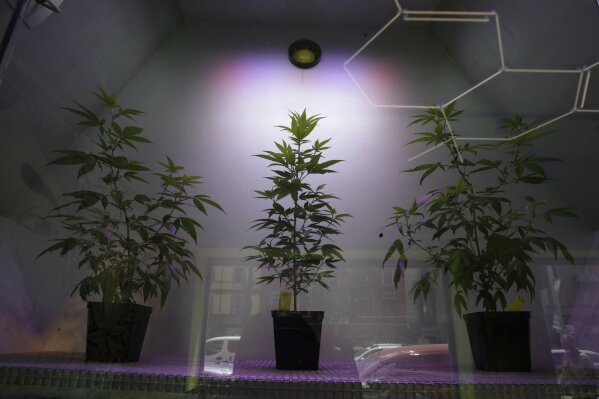
Italy is witnessing a significant increase in the cultivation of cannabis light, a growing economic resource for our economy. In recent years, the country has seen a surge in demand for legal cannabis products, leading to an expansion of the industry and the creation of new job opportunities.
In this article, we will explore what cannabis light is, how it is regulated in Italy, and highlight one of the Italian realities actively involved in the production and sale of cannabis light. We will also delve into the benefits of cultivating hemp in Italy and examine the commitment to ecosustainability demonstrated by a leading company in the industry.
What is Cannabis Light?
Cannabis light refers to products derived from the cultivation of cannabis plants with a delta-9-tetraidrocannabinol (THC) level below 0.2%. These products maintain the calming and relaxing effect without the psychoactive effects generated by marijuana consumption. The relaxing effect is produced by the cannabidiol, often referred to as CBD.
The production of cannabis light involves several steps, including cultivation, harvesting, drying, processing, and packaging. The final product can take various forms, such as oils, tinctures, capsules, or edible products. Cannabis light products are available in both online and physical stores, allowing consumers to access them easily.
Canapa Farm: A Green Reality in Italian Cannabis Light Production
One of Italy’s most active realities in cannabis light production is Canapa Farm. This company produces legal marijuana, cannabis light, and CBD oil from 100% natural Italian hemp (Cannabis Sativa L.). Canapa Farm’s green philosophy is to generate the least possible impact on the territory that hosts it and preserve and improve the surrounding ecosystem by cultivating hemp.
Canapa Farm distinguishes itself in the market for legal marijuana producers:
- Environmental Impact: Hemp inflorescences, trunci, and CBD oil are obtained using products and fertilizers specifically designed for organic agriculture.
- Artisanal Production: The cultivation of hemp, the collection of inflorescences, drying, tanning, packaging, distribution, and sale are all done in an artisanal manner.
- Quality of Products: One standout product is its CBD oil, diluted in extra-virgin olive oil biologically awarded at national and international levels by Quattrociocchi Farm.
This commitment emerges in the quality of the final products: legal cannabis for technical use and collection, a true example of made in Italy also in this sector.
Is Cannabis Light Legal in Italy?
Yes. The cultivation and sale of products based on cannabis light are legal in Italy and are regulated by Law 242 of December 2, 2016. This law sets the THC level at 0.2% and recognizes hemp cultivation as a contributor to reducing environmental impact, soil consumption, desertification, and biodiversity loss. It also confirms that growing hemp can be done as a substitute for excess crops or as a crop rotation.
The regulation of cannabis light in Italy is overseen by the Italian Ministry of Health, which sets guidelines for the production and sale of these products. The ministry also conducts regular inspections to ensure compliance with regulatory requirements.
Why is Cannabis Light Cultivation Important in Italy?
In accordance with Coldiretti declarations, the volume of business related to cannabis light cultivation is approaching 50 million euros, creating new opportunities for farmers and online retailers. Over the past few years, hemp cultivation has increased by over 400 times, becoming an increasingly important resource for Italian farmers.
The growth of the cannabis light industry in Italy can be attributed to several factors:
- Increasing Demand: The demand for legal cannabis products is growing rapidly in Italy, driven by consumer interest and government support.
- Government Support: The Italian government has implemented policies to promote hemp cultivation, including subsidies for farmers and investments in research and development.
- Economic Benefits: Hemp cultivation provides a new source of income for farmers, creating jobs and stimulating local economies.
FAQs
Q: What are the benefits of cultivating hemp in Italy?
A: Hemp cultivation can help reduce environmental impact, soil consumption, desertification, and biodiversity loss.
Q: How does Canapa Farm ensure ecosustainability in its production process?
A: Canapa Farm uses eco-friendly packaging, biologically certified fertilizers, and has implemented a program to plant an additional tree for every shipment to customers.
Q: What is the significance of CBD oil produced by Canapa Farm?
A: The company’s CBD oil is renowned for its quality and benefits, making it a sought-after product in the market.
In conclusion, cannabis light cultivation is a growing economic resource in Italy, providing new opportunities for farmers and consumers alike. By understanding the regulations and benefits surrounding this industry, we can better appreciate the significance of hemp cultivation in Italy and its potential to contribute to a more sustainable future.
The production of legal cannabis products has become an increasingly important aspect of Italy’s economy, with significant growth over the past few years. This trend is expected to continue as consumer demand for these products continues to rise. The success of companies like Canapa Farm demonstrates the potential for businesses in this sector to thrive while prioritizing ecosustainability.
As the cannabis light industry continues to evolve in Italy, it’s essential to monitor regulatory updates and ensure compliance with laws and guidelines. By doing so, we can maximize the benefits of hemp cultivation and create a more sustainable future for generations to come.


