
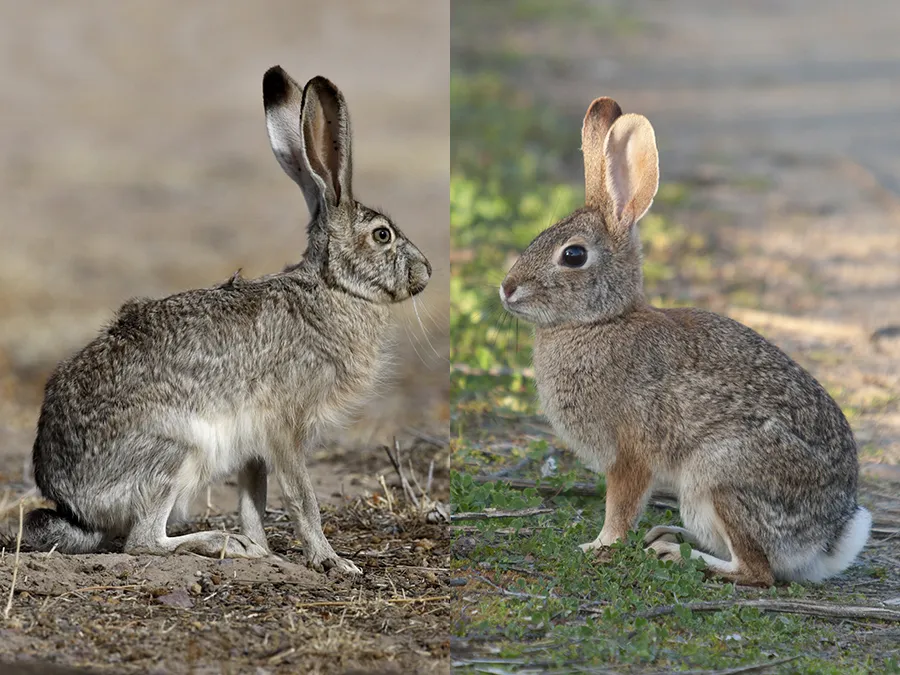
As the saying goes, “you can’t have too many rabbits in one basket,” but when it comes to these cute creatures, it’s essential to know the differences between them. In this article, we’ll delve into the world of rabbits and hares, exploring their curiosities, characteristics, and habits.
Habitat and Social Behavior
One of the most significant differences between rabbits and hares is their habitat and social behavior. Rabbits are generally solitary animals, while hares often live in groups. In the spring, during the mating season, you might see more rabbits gathering together, looking like they’re “going crazy.” This behavior is a result of their intense courtship rituals, which involve chasing, fighting, and even leaping over each other.
Physical Characteristics
Let’s take a closer look at some physical differences between rabbits and hares. Rabbits are generally larger than hares, with longer ears and more compact bodies. Hares, on the other hand, are smaller, faster, and more agile. They have shorter ears and longer hind legs, which allow them to cover vast distances.
Speed and Agility
Speaking of speed, rabbits are much faster than hares. A rabbit can reach speeds of up to 70 km/h (43 mph), while a hare can only manage around 50-60 km/h (31-37 mph). This is because rabbits need to be able to quickly change direction and accelerate to escape predators.
Burrowing Behavior
Hares are skilled burrowers, using their powerful hind legs to dig complex networks of tunnels and dens. Rabbits, on the other hand, don’t burrow as extensively, instead preferring to rest in shallow depressions or small enclosures.
Vocalizations
Both rabbits and hares are relatively quiet animals, but they do make different sounds. Rabbits will occasionally produce a high-pitched whine or squeak when threatened or scared, while hares might emit a low grunting noise when feeling anxious or cornered.
Mating Habits
Now, let’s talk about mating habits. Rabbits have a more intense and competitive courtship ritual, involving lots of chasing, fighting, and even wrestling. Hares, on the other hand, tend to be more relaxed during mating season, often engaging in brief, gentle encounters with their mates.
Reproduction
The reproductive cycle is another area where rabbits and hares differ significantly. Rabbits have a shorter gestation period (around 43 days) and give birth to fully formed young, while hares have a longer gestation period (about 30 days) and produce larger, less developed offspring.
Gestation Periods
Rabbits have a relatively short gestation period, which means they can breed again quickly. Hares, on the other hand, take longer to recover from their pregnancies, giving birth to larger litters of young.
Reproduction Cycle
The reproductive cycle of rabbits and hares is also different in terms of the frequency of breeding and litter sizes. Rabbits tend to breed more frequently, producing smaller litters of young, while hares have a slower reproductive rate, with larger litters.
Rabbit Reproduction
When it comes to rabbit reproduction, females typically become pregnant after a single mating, while males can mate multiple times before reaching puberty. This unique reproductive strategy allows rabbits to quickly adapt to changing environments and produce large numbers of offspring.
Hare Reproduction
Hares, on the other hand, have a more traditional reproductive cycle, with males typically mating once or twice before reaching maturity. Female hares give birth to larger litters, but their reproductive rate is slower than that of rabbits.
Caching Food
Rabbits are well-known for their ability to cache food, hiding it in various spots around their territory. Hares also cache food, but they tend to do so less frequently and in different locations.
Conservation Status
Unfortunately, both rabbits and hares face threats to their survival due to habitat loss, hunting, and climate change. Rabbits are often seen as pests by farmers, while hares are vulnerable to disease and human disturbance.
Habitat Loss
One of the main causes of habitat loss for rabbits and hares is the destruction of natural habitats due to urbanization, agriculture, and other human activities.
Hunting and Poaching
Rabbits are frequently hunted for their meat, while hares are often targeted for their fur. Both species face significant threats from hunting and poaching, which can have devastating impacts on local populations.
Conservation Efforts
To address these conservation issues, many organizations and governments are working together to protect habitats, monitor populations, and educate the public about the importance of these species.
Conclusion
In conclusion, rabbits and hares are fascinating creatures with unique characteristics, habits, and traits. By understanding their differences and similarities, we can better appreciate these animals and work towards their conservation.
Frequently Asked Questions (FAQs)
- What is the main difference between a rabbit and a hare?
A: Rabbits are generally smaller, more social, and have longer ears than hares. - Why do rabbits cache food?
A: Rabbits cache food to store energy for times when food is scarce or hard to find. - How fast can rabbits run?
A: Rabbits can reach speeds of up to 70 km/h (43 mph). - What is the reproductive cycle of rabbits?
A: Rabbits have a short gestation period and give birth to fully formed young after a single mating. - Why are hares more aggressive than rabbits during mating season?
A: Hares tend to be more relaxed during mating season, while rabbits engage in intense courtship rituals. - What is the main threat to rabbit populations?
A: Habitat loss and hunting for meat are significant threats to rabbit populations. - How can I help conserve rabbit populations?
A: You can support conservation efforts by reducing your carbon footprint, protecting habitats, and spreading awareness about the importance of these species. - What is the difference between a coney and a hare?
A: Conies are small, fast, and have long ears, while hares are larger and more social.
Rabbit-Hare Comparison Chart
| Characteristic | Rabbit | Hare |
|---|---|---|
| Size | Generally smaller | Larger |
| Ears | Longer | Shorter |
| Speed | Up to 70 km/h (43 mph) | Up to 50-60 km/h (31-37 mph) |
| Burrowing behavior | Limited | Extensive |
| Vocalizations | High-pitched whine or squeak | Low grunting noise |
| Mating habits | Intense and competitive courtship ritual | Relaxed mating season |
| Gestation period | Around 43 days | About 30 days |
| Litter size | Smaller litters | Larger litters |
Interesting Rabbit Facts
- Rabbits can live up to 10 years in captivity.
- The largest rabbit species, the European rabbit, can weigh up to 4 kg (8.8 lbs).
- Rabbits are crepuscular animals, meaning they are most active at twilight hours.
- Rabbits have a highly developed sense of smell and can detect food from far away.
- Rabbits are social animals and often live in large groups.
Interesting Hare Facts
- Hares are able to reach speeds of up to 100 km/h (62 mph) over short distances.
- The largest hare species, the Arctic hare, is found in the northernmost parts of Europe and Asia.
- Hares have a highly developed sense of hearing and can detect predators from great distances.
- Hares are solitary animals and only come together for mating purposes.
- Hares are able to survive in extreme cold temperatures and can even slow down their metabolism to conserve energy.
By learning more about the fascinating world of rabbits and hares, we can better appreciate these amazing creatures and work towards their conservation. Whether you’re a seasoned rabbit or hare enthusiast or just starting out on your journey of discovery, there’s always something new to learn and discover about these incredible animals.


