
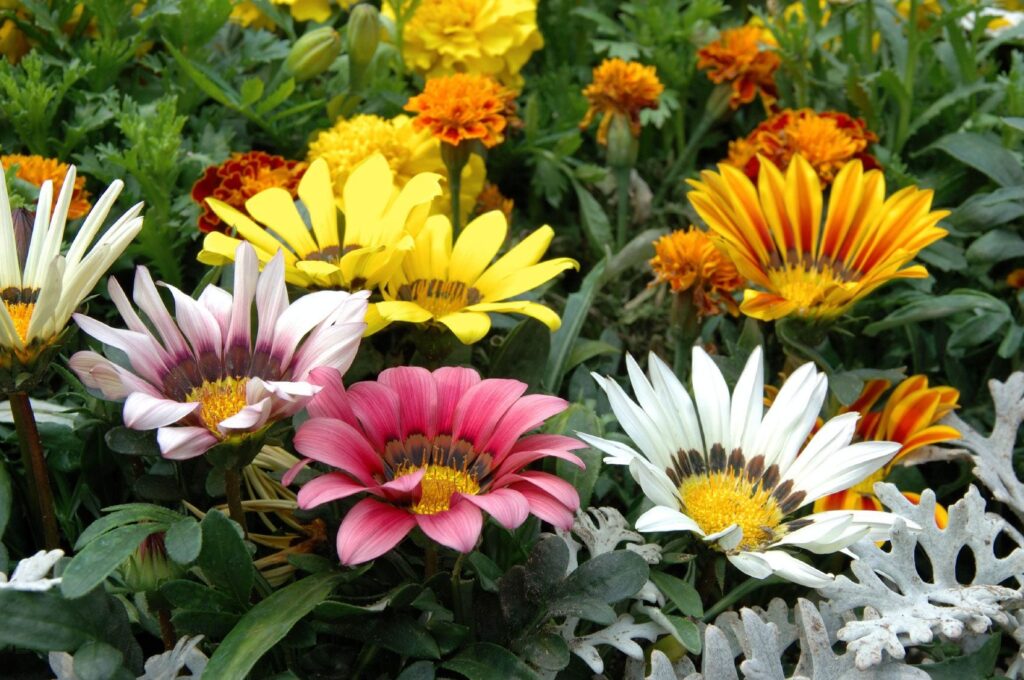
As a gardener, there’s nothing quite like having a garden that’s always in bloom. One of the most popular flowers for this purpose is the gazania, known for its vibrant blooms and effortless care. In this article, we’ll delve into everything you need to know about growing gazanias, from the best conditions to the ultimate care tips.
What are Gazanias?
Gazanias are a type of flowering plant that’s easy to grow and maintain. The flowers resemble large daisies, opening up only when exposed to sunlight. With proper care, gazanias can bloom continuously from April to October, making them an ideal choice for gardeners who want a low-maintenance yet vibrant display.
Are Gazanias Suitable for Your Region?
When it comes to growing gazanias, the location plays a significant role. If you live in Southern Italy, you’re in luck! You can grow gazanias both in your garden and on your balcony. However, if you reside in Northern Italy, you’ll need to confine yourself to indoor containers that receive plenty of sunlight.
Curing Gazanias: A Delicate Balance
In Northern Italy, where winters are harsher, gazanias require extra care to survive. You’ll need to protect the plant from frost and cold temperatures during the winter months. Use breathable cloches or burlap to shield the plant, and consider placing it in a small greenhouse for added protection.
Lighting and Soil
Gazanias adore full sun, so make sure your plant receives at least 6 hours of direct sunlight every day. The soil should be loose and well-draining, with no signs of waterlogging. This is crucial to prevent root rot and other issues that can arise from excess moisture.
Cultivation Tips
While gazanias are relatively low-maintenance, there are a few key factors to consider:
- Watering: Gazanias need moderate watering, especially when grown in gardens. Aim for every 15-20 days during the growing season.
- Fertilization: Use a balanced fertilizer that promotes slow release of nutrients. This will ensure your gazania grows strong and healthy.
- Pruning: Regular pruning is essential to promote blooming and prevent legginess.
Varieties of Gazanias
With so many varieties to choose from, it can be overwhelming to select the perfect one for your garden or indoor space. Here are some popular types:
- ‘Casa Blanca’ – A classic white variety with vibrant blooms
- ‘Sunsprite’ – A bright yellow variety that’s perfect for adding a pop of color
- ‘Pansy Flower’ – A delicate pastel-colored variety that’s ideal for hanging baskets
Propagation
Propagating gazanias is easy and can be done through seed or division. Here are some tips to help you get started:
- Sowing Seeds: Plant seeds in a well-draining potting mix, about ¼ inch deep. Keep the soil moist until germination.
- Division: Divide established plants into smaller sections and replant them in new pots or directly in the garden.
Pest and Disease Control
Regularly inspect your gazania for signs of pests or diseases:
- Common pests: aphids, whiteflies
- Common diseases: powdery mildew, leaf spot
Use organic methods whenever possible to control infestations and infections. This includes using neem oil, insecticidal soap, or fungicides.
Companion Planting
Planting gazanias alongside other plants can enhance their growth and beauty. Here are some popular companion plants:
- Marigolds: repel nematodes and whiteflies
- Chives: improve soil health
- Basil: repel aphids
Avoid planting gazanias with competitive plants that may outcompete them for water, nutrients, or sunlight.
Conclusion
Growing gazanias is an excellent way to add some vibrancy to your garden or indoor space. By following these simple tips and choosing the right variety, you’ll be on your way to a beautiful, blooming gazania in no time.
Frequently Asked Questions:
- What’s the best soil type for growing gazanias?
- A well-draining, loose soil is ideal.
- How often should I water my gazania?
- Aim for every 15-20 days during the growing season.
- Can I grow gazanias indoors?
- Yes, but make sure to provide sufficient sunlight and maintain a consistent temperature.
- What’s the difference between ‘Casa Blanca’ and ‘Sunsprite’ gazania varieties?
- ‘Casa Blanca’ is a classic white variety, while ‘Sunsprite’ features bright yellow blooms.
- How do I care for my gazania during the winter months in Northern Italy?
- Protect the plant from frost and cold temperatures using breathable cloches or burlap.
By following these simple tips and being aware of potential issues, you’ll be well on your way to growing a stunning gazania that brings joy and beauty to your outdoor space.


