
Building an Aquarium: A Step-by-Step Guide
If you’re considering building your own aquarium, it can be a rewarding project that brings joy and satisfaction. Building an aquarium in glass is a simple and effective way to start your journey into aquaculture. In this article, we’ll show you how to build an aquarium using four easy steps.
Why Avoid Marine Aquariums for Beginners?
Before we dive into the process of building an aquarium, it’s essential to understand why marine aquariums are best left to experienced aquarists. Marine aquariums require a high level of dedication and maintenance, as well as a significant investment in equipment and food for the fish. The complex management of salinity levels and the high cost of delicate fish make them a challenging project for beginners.
Choosing the Right Size
For those new to aquaculture, we recommend starting with a freshwater aquarium that’s not too large. This will allow you to gain experience and confidence in maintaining an aquarium without feeling overwhelmed. A standard 250-liter tank (6.6 gallons) measuring 100x50x50 cm is an excellent size for beginners.
Materials Needed
To build your aquarium, you’ll need the following materials:
- Four pieces of glass: two front and rear panels (100x50x1 cm), two side panels (48x49x1 cm), and one bottom panel (100x48x1 cm)
- Acetone
- Silicone sealant (at 100% concentration)
- Absorbent paper roll
- Complete filter system with pump and sponge
- Timer for lighting
- Lamp with 11W light bulbs
- Carbon dioxide injection system with cylinder
- Brown pebbles
- River sand
- Aquarium substrate material
- Fossilized wood pieces
- Rocks
- Aquatic plants
Step 1: Building the Tank
Before you start building your aquarium, it’s crucial to clean and grass the glass surfaces. Acetone will not only remove dirt but also prepare the surface for the silicone sealant. Use gloves to handle the glass to avoid touching the clean surface.
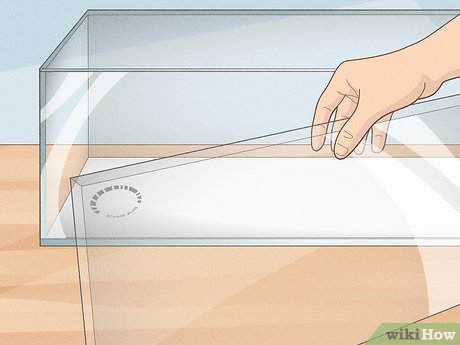
To assemble the tank, place the bottom panel on a dry surface, then attach the side panels vertically without applying too much pressure, which could damage the glass. Finally, position the front and rear panels, ensuring they are securely attached with silicone sealant.
Allow the silicone to dry for 24 hours before removing any excess material using a file or acetone.
Step 2: Equipping the Tank
Now that your tank is assembled, it’s time to add some lights. Install the lamp and light bulbs in the recommended positions. Next, prepare the substrate material by mixing pebbles, sand, and other materials according to the manufacturer’s instructions.
After setting up the substrate material, add a layer of activated carbon and plant material to enhance water quality and provide hiding places for your fish.
Step 3: Planting the Aquarium
To create a balanced ecosystem, it’s essential to choose plants that thrive in different environments. Start by watering the substrate with at least 5 cm (2 inches) of water. Then, arrange your plants according to their growth habits:
- Tall plants will be placed in the rear section.
- Medium-sized plants will occupy the side sections.
- Small plants or plantlets will be placed in the front section.
After planting, fill the tank with water while maintaining a constant temperature of 25°C (77°F) and providing an adequate supply of carbon dioxide.
Step 4: Introducing Fish
Once your aquarium is ready, you can introduce your first fish. Wait at least one week for the beneficial microorganisms in the filter to form before adding your new aquatic friends.
By following these steps, you’ll be well on your way to creating a thriving and enjoyable aquarium experience. With proper care and maintenance, your aquarium will become a haven for both you and the fish that call it home.
Tips and Tricks
- Always follow the manufacturer’s instructions when setting up your equipment.
- Regularly test the water quality and pH levels in your aquarium to ensure the health of your fish.
- Avoid overcrowding your tank, as this can lead to stress and disease among your fish.
- Keep a record of your maintenance schedule and any issues that arise to help you identify potential problems.
FAQs
- What are some popular freshwater aquarium fish species?
There are many different species of freshwater fish to choose from, each with its unique characteristics and needs. Some popular species for beginners include guppies, neon tetras, and corydoras catfish.
- What is the recommended water temperature range for most freshwater fish?
The ideal water temperature range for most freshwater fish is between 18°C (64°F) and 25°C (77°F). However, some species may require warmer or cooler temperatures, so it’s essential to research the specific needs of your fish before setting up your aquarium.
- How often should I clean the filter in my aquarium?
It’s recommended to clean the filter every week to ensure optimal water quality and prevent the buildup of debris.
- Can I add plants to an existing aquarium, or do they need to be planted from the beginning?
You can add plants to an existing aquarium, but it’s essential to choose species that are suitable for your tank’s conditions and not too large for the space available.
- Why is it essential to maintain a balanced ecosystem in an aquarium?
A balanced ecosystem is crucial for maintaining healthy fish and preventing water quality issues. Plants help absorb excess nutrients, while beneficial bacteria break down waste products, creating a stable environment for your aquatic friends.
- Can I have multiple species of fish in my aquarium at once?
While it’s possible to keep multiple species of fish together, it’s essential to research the specific needs and compatibility requirements of each species before introducing them to your tank.
- What are some common mistakes that new aquarists make when building their first aquarium?
Some common mistakes include overcrowding, poor water quality, and inadequate lighting or filtration. Additionally, many beginners fail to research the specific needs of their fish and plants, leading to disappointment and frustration.
- How often should I test the water quality and pH levels in my aquarium?
It’s recommended to test the water quality and pH levels regularly, ideally every week, to ensure optimal conditions for your fish and prevent any potential issues.
Additional Tips for Beginners
- Start small: Begin with a small tank (10-20 gallons) to gain experience and confidence before moving on to larger tanks.
- Research, research, research: Take the time to learn about the specific needs of your fish and plants to ensure their health and happiness.
- Be patient: Aquarium maintenance can be time-consuming and requires patience. Don’t get discouraged if things don’t go as planned initially.
By following these tips and guidelines, you’ll be well on your way to creating a thriving and enjoyable aquarium experience that will bring joy and satisfaction for years to come.


