
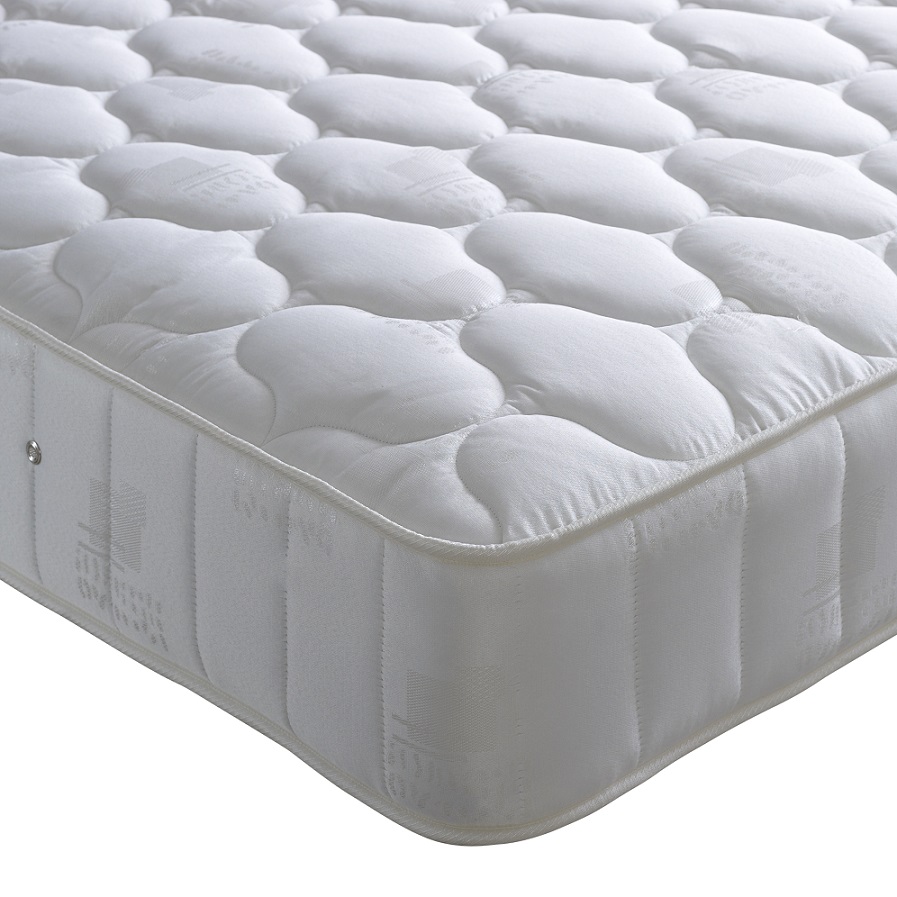
Sleep is a fundamental aspect of our daily lives, and a good night’s rest can make all the difference in how we approach each day. However, with so many options available, it can be overwhelming to choose the right mattress for your needs.
In recent years, there have been numerous theories and opinions on what makes a great orthopedic mattress. While some claim that a rigid or hard mattress is the way to go, others argue that this type of mattress is not suitable for everyone. The truth lies in finding a balance between support and comfort.
The Myth of Orthopedic Mattresses
For many years, it has been assumed that an orthopedic mattress is equivalent to a rigid or hard one. However, this is not entirely accurate. No medical professional organization has ever certified the orthopedicity of these mattresses. In fact, studies have shown that sleeping on too rigid surfaces can lead to discomfort and even pain in areas such as the shoulders, elbows, and hips.
The Solution: Ergonomic Mattresses
So, what’s the solution? It’s all about finding an ergonomic mattress that adapts to your body shape. This type of mattress is designed to provide optimal support while also being comfortable enough to ensure a good night’s sleep.
Considering Your Weight
When it comes to choosing an orthopedic mattress, weight plays a significant role. If you’re overweight, it’s essential to consider the thickness of the mattress. A thicker mattress (around 26-28 cm) can help prevent the excess weight from causing the mattress to sag or become misshapen.
Considering Your Age
Age is another factor to consider when choosing an orthopedic mattress. While age-related factors may not be as significant for adults, it’s essential to consider them for children and infants. For example, a baby mattress should be low to the ground to prevent them from rolling off or getting tangled in the sheets.
Considering Your Sleeping Position
When it comes to choosing an orthopedic mattress, your sleeping position is also crucial. If you sleep on your back, a slightly firmer mattress can provide the necessary support for your spine. On the other hand, side sleepers may prefer a softer mattress that can cushion their shoulders and hips.
Top Orthopedic Mattress Options
We’ve curated a list of top orthopedic mattress options available on Amazon, including:
- Marcapiuma Rainbow: A memory foam mattress designed for comfort and support. Made in Italy, it’s guaranteed for 10 years.
- Miasuite Easy: A waterfoam-based mattress that combines the benefits of memory foam and waterfoam. Made in Italy, it’s highly breathable and affordable.
- Evergreenweb H21 Bonnel: A rigid mattress featuring a Bonnel coil system for optimal support and breathability. Certified Oeko-Tex, it’s suitable for those who prefer a firmer sleeping surface.
- Marcapiuma Rainbow Plus: A memory foam mattress with a unique sagging effect that provides continuous massages during sleep. However, note that both sides of the mattress are made of the same material, which can lead to overheating in warmer temperatures.
Tax Benefits for Orthopedic Mattresses
Did you know that orthopedic mattresses can qualify for tax deductions? If your mattress is certified as a Class 1 medical device and has anti-decubitus properties, you may be eligible for a 19% discount. To claim the deduction, you’ll need to provide proof of purchase or obtain an autocertification from your healthcare provider.
Choosing the Right Firmness
Firmness is another crucial factor to consider when choosing an orthopedic mattress. A firm mattress can provide the necessary support for your spine, while a softer mattress can offer comfort and pressure relief. Look for mattresses with adjustable firmness levels or those that allow you to flip and rotate them.
Maintenance and Cleaning
Orthopedic mattresses require regular maintenance and cleaning to ensure they remain clean and hygienic. Check the manufacturer’s recommendations on how to clean and maintain your mattress, as some materials may be more delicate than others.
Conclusion
Choosing the right orthopedic mattress can seem daunting, but by considering factors such as weight, age, sleeping position, material type, firmness, and maintenance, you can find the perfect mattress for a restful night’s sleep. Whether you prefer a soft and cozy memory foam mattress or a firmer Bonnel coil system, there’s an orthopedic mattress out there for everyone.
Frequently Asked Questions
Q: What is the best age to choose an orthopedic mattress?
A: The ideal age for choosing an orthopedic mattress depends on individual needs. For children and infants, consider factors like weight and sleeping position.
Q: How does weight affect the thickness of an orthopedic mattress?
A: A thicker mattress (around 26-28 cm) can help prevent excess weight from causing the mattress to sag or become misshapen.
Q: What is the best sleeping position for an orthopedic mattress?
A: Side sleepers may prefer a softer mattress that cushions their shoulders and hips, while back sleepers may benefit from a firmer mattress that provides necessary support for their spine.
Q: Can I return my orthopedic mattress if it doesn’t meet my expectations?
A: Check the manufacturer’s warranty and return policy before making a purchase. Some mattresses may offer a trial period or exchange options.
Q: How do I know if an orthopedic mattress is suitable for my weight class?
A: Consider factors like sleeping position, body type, and personal preferences when choosing an orthopedic mattress.
Q: Are there any tax benefits available for orthopedic mattresses?
A: Yes, if your mattress is certified as a Class 1 medical device and has anti-decubitus properties, you may be eligible for a 19% discount.


