
As a homeowner, it’s essential to understand your electric appliance consumption to optimize your energy bill and reduce your environmental footprint. But where do you start? In this article, we’ll guide you through the process of estimating your appliance consumption, selecting energy-efficient appliances, and providing tips for reducing your energy consumption.
Why is Appliance Consumption Important?
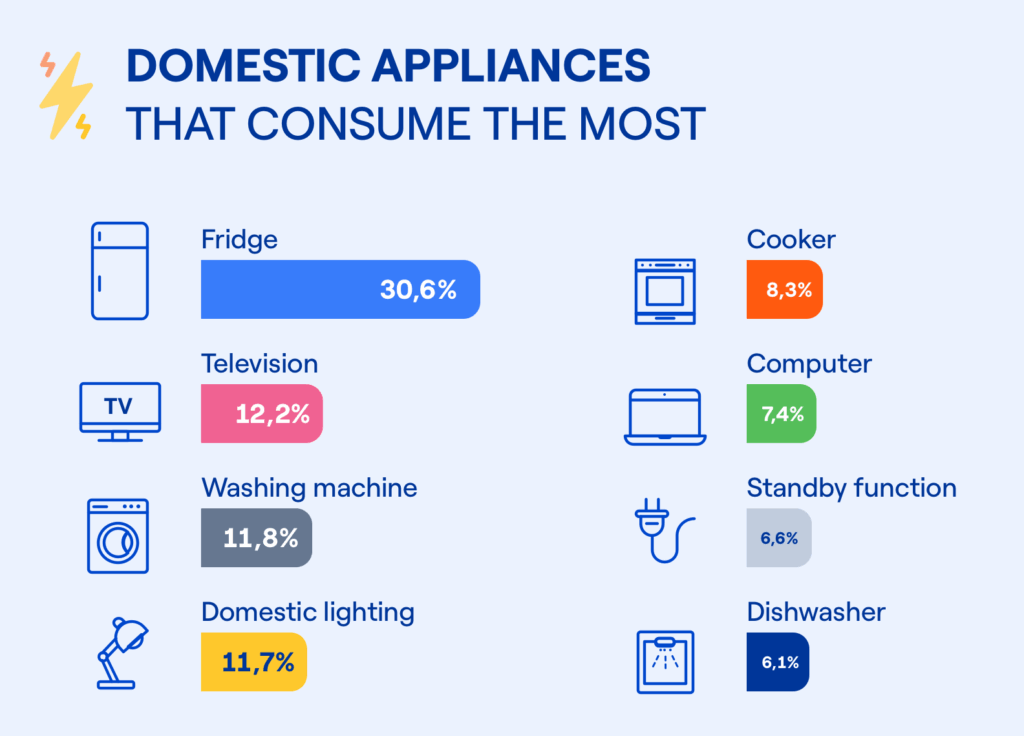
Appliance consumption refers to the amount of electricity used by your household appliances. Understanding your appliance consumption can help you identify areas where you can make changes to reduce your energy bill and lower your carbon footprint.
For example, if you have a refrigerator that consumes 500 kWh per month, it may be costing you $50-$75 per month in electricity bills. By upgrading to an Energy Star-rated refrigerator or adjusting its settings, you could potentially save up to $20-$30 per month on your energy bill. These small changes can add up over time and make a significant impact on your overall energy consumption.
How to Estimate Your Appliance Consumption
To estimate your appliance consumption, start by reviewing your past utility bills. Look for the kilowatt-hour (kWh) rating of each appliance and calculate its total annual consumption. You can also use online tools or consult with a licensed electrician to determine the energy efficiency of your appliances.
Some common household appliances and their estimated annual consumption are:
- TV: 200-400 kWh
- Computer: 100-300 kWh
- Refrigerator: 500-700 kWh
- Air conditioner: 800-1,000 kWh
Choosing Energy-Efficient Appliances
When selecting new appliances, look for the ENERGY STAR label or the European Union’s ErP (Energy-related Products) mark. These labels indicate that the appliance meets energy efficiency standards set by the U.S. Environmental Protection Agency and the EU.
Here are some tips for choosing energy-efficient appliances:
- Look for appliances with high Energy Efficiency Ratings
- Consider the power consumption of each feature, such as LED lighting or smart thermostats
- Check the appliance’s warranty and maintenance requirements
The WWF’s TopTen Project: A Resource for Energy-Efficient Appliances
The World Wildlife Fund (WWF) has launched a project called TopTen, which provides a comprehensive guide to energy-efficient appliances. The TopTen website allows you to browse appliances by category, including home office equipment, lighting, and transportation.
Here are some benefits of using the TopTen website:
- Access to detailed information on appliance performance
- Comparative analysis of different models
- Expert recommendations for energy-efficient appliances
TopTen Categories: What You Can Expect
The TopTen website offers a range of categories, including home office equipment, lighting, and transportation. Here’s what you can expect from each category:
- Home Office Equipment: Monitor, printer, scanner, and other devices used in the home office
- Lighting: LED bulbs, smart lighting systems, and more
- Transportation: Electric vehicles, hybrid cars, and alternative fuels
Consulting the TopTen Database
To access the TopTen database, simply visit the website and select a category. You’ll be able to browse through a list of energy-efficient appliances, including:
- Manufacturer and model information
- Energy consumption data
- Estimated annual cost savings
- Price comparison
For example, when searching for energy-efficient refrigerators on the TopTen website, you can filter by energy consumption, price, and features such as ice makers and water dispensers. You’ll also be able to compare different models based on their performance and energy efficiency ratings.
Conclusion: Take Control of Your Appliance Consumption
By understanding your appliance consumption and choosing energy-efficient appliances, you can take control of your energy bill and reduce your environmental impact. Remember to review the TopTen database regularly for updates on new energy-efficient appliances.
In addition to using the TopTen website, there are several other steps you can take to optimize your energy consumption:
- Conduct an energy audit: Hire a professional to conduct an energy audit of your home to identify areas where energy is being wasted.
- Upgrade to smart devices: Consider upgrading to smart devices such as thermostats and lighting systems that can be controlled remotely and optimized for energy efficiency.
- Use power strips: Plug your electronics into power strips and turn off the strip when not in use to eliminate standby power consumption.
- Adjust your thermostat: Lowering your thermostat by just 1-2 degrees can save up to 5% on your heating bill.
Frequently Asked Questions (FAQs)
Q: How do I calculate my appliance consumption?
A: Review your past utility bills or use online tools to estimate your appliance consumption. You can also consult with a licensed electrician to determine the energy efficiency of your appliances.
Q: What is the ENERGY STAR label, and how can it help me choose energy-efficient appliances?
A: The ENERGY STAR label indicates that an appliance meets energy efficiency standards set by the U.S. Environmental Protection Agency. Look for this label when shopping for new appliances to ensure they meet energy efficiency standards.
Q: Can I use the TopTen website to compare different models of appliances?
A: Yes, the TopTen website allows you to compare different models of appliances based on their energy consumption and performance.
Q: How can I reduce my energy consumption in addition to choosing energy-efficient appliances?
A: Consider implementing smart home technologies, using power strips, adjusting your thermostat, and making other changes to optimize your energy usage.
Q: Are there any discounts or incentives available for purchasing energy-efficient appliances?
A: Yes, many governments offer rebates and tax credits for purchasing energy-efficient appliances. Check with your local government for more information on available incentives.
Q: Can I use the TopTen website to track my energy consumption over time?
A: Yes, the TopTen website allows you to monitor your energy consumption in real-time and receive personalized recommendations for improving your energy efficiency.
Q: Is the TopTen database updated regularly?
A: Yes, the TopTen database is updated regularly with new information on energy-efficient appliances and technologies.
Q: Can I contribute to the development of the TopTen project?
A: Yes, you can contribute to the development of the TopTen project by submitting your own recommendations for energy-efficient appliances or sharing your experiences with others.


