
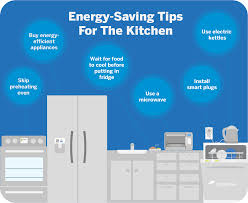
As the most energy-intensive room in the home, the kitchen is where our energy bills tend to take a hit. But with a few simple tweaks, you can give your wallet a nice haircut and save some serious cash on your utility bills.
Understanding the Energy Hogs in Your Kitchen
The kitchen is where most of our high-energy appliances live: stoves, ovens, microwaves, and more. These energy-guzzlers are responsible for sucking up the biggest chunk of electricity in the house, making it essential to tackle them first when trying to reduce your energy consumption.
So, how do you start saving energy in the kitchen? The answer lies in some surprising areas that often get overlooked: using the right cooking vessel, optimizing your oven use, and leveraging the power of microwave ovens.
The Power of Pressure Cooking
One of the most effective ways to save energy in the kitchen is by using pressure cookers. These nifty gadgets can reduce cooking time significantly, which means less heat being used overall. By cooking smaller portions or utilizing a pressure cooker for tasks that would otherwise require hours of cooking, you’ll be amazed at how much energy you’re saving.
Pressure cookers work by trapping steam inside the pot, allowing it to reach extremely high temperatures under pressure. This technique enables food to cook faster and with less water than traditional methods, resulting in significant savings on both energy consumption and time spent waiting for your meal.
Some key points to keep in mind when using a pressure cooker:
- Use the right type of cooking vessel: Pressure cookers only work with specific types of pots and lids. Make sure you use a pot that’s designed for high-pressure cooking.
- Follow safe usage guidelines: Never open the valve or remove the lid while the pressure cooker is in operation, as this can lead to serious injury.
- Maintain your pressure cooker: Regularly clean and descale your pressure cooker to prevent mineral buildup and ensure optimal performance.
The Double-Edged Sword of Oven Energy Consumption
Ovens are notoriously energy-hungry appliances in the kitchen, but the good news is that there are ways to minimize this impact. By choosing the right oven for the job – such as a convection oven or a toaster oven for smaller meals – and optimizing your cooking time, you can significantly cut down on energy waste.
For instance, did you know that using a convection oven instead of a traditional oven can save up to 30% of energy consumption? Or that reducing cooking times by even just 10-15 minutes can make a significant dent in your energy bills?
The Importance of Right-Sized Cookware
Another often-overlooked aspect of kitchen energy efficiency is choosing cookware that’s proportionate to the stovetop or oven you’re using. Make sure your pans and pots aren’t too large, as this can lead to unnecessary heat loss.
When selecting cookware, always opt for sizes that match your cooking vessel. This ensures that heat isn’t wasted on excess empty space, saving you energy in the long run.
Some key points to keep in mind when choosing cookware:
- Choose pans with a diameter slightly larger than your stovetop’s surface area: This allows for efficient heat distribution and reduces waste.
- Use pots with lids that fit snugly: This helps retain heat and prevents it from escaping into the atmosphere.
- Opt for cookware made from materials like stainless steel or cast iron, which tend to be more energy-efficient than non-stick or aluminum options.
Practical Tips for a More Energy-Efficient Kitchen
Here are some actionable tips to take your kitchen efficiency to the next level:
- Use a fan while cooking: Installing a range hood with built-in fans can significantly improve airflow and reduce unnecessary heat release into the atmosphere.
- Preheat only what you need: Prerunning your oven or stovetop for specific tasks, like reheating leftovers, will save energy compared to using a whole cycle.
- Invest in a smart thermometer: These digital thermometers help you monitor and adjust cooking temperatures with precision, ensuring perfect results without overcooking.
By implementing these simple yet effective strategies, you can significantly reduce your kitchen’s energy consumption – saving you money on your utility bills and helping the environment too!
Conclusion: Cutting Down Energy Bills for a Brighter Future
With every small change we make to our daily habits, we have the power to collectively contribute to a more sustainable world. By leveraging these practical tips and staying informed about the latest kitchen innovations, we can take control of our energy consumption and start saving big.
Whether you’re looking to upgrade your appliances or simply tweak your cooking techniques, there’s no denying the impact that small changes can have on our bottom line – both financially and environmentally.
So what are you waiting for? Start cutting down those energy bills today!
FAQs:
- Q: What is the most effective way to save energy in my kitchen?
- A: Start by optimizing your oven use, choosing smaller cookware sizes that match your stovetop or oven, and leveraging pressure cooking.
- Q: How can I reduce my microwave usage while still saving energy?
- A: By using a microwave-safe container with minimal water, reducing cooking time, and incorporating meals prepped in advance, you can minimize the need for reheating and subsequently save energy.
- Q: Can I save energy by not using the dishwasher?
- A: While not using the dishwasher might reduce initial electricity consumption, frequent hand washing increases overall energy use. Opting for a high-efficiency dishwasher instead of traditional models or manually washing dishes can be more eco-friendly and cost-effective in the long run.
- Q: How do I choose the right cookware size for my needs?
- A: Choose pots that are 2/3 full to minimize wasted heat, and select pans with a diameter slightly larger than your stovetop’s surface area for optimal energy efficiency.


