
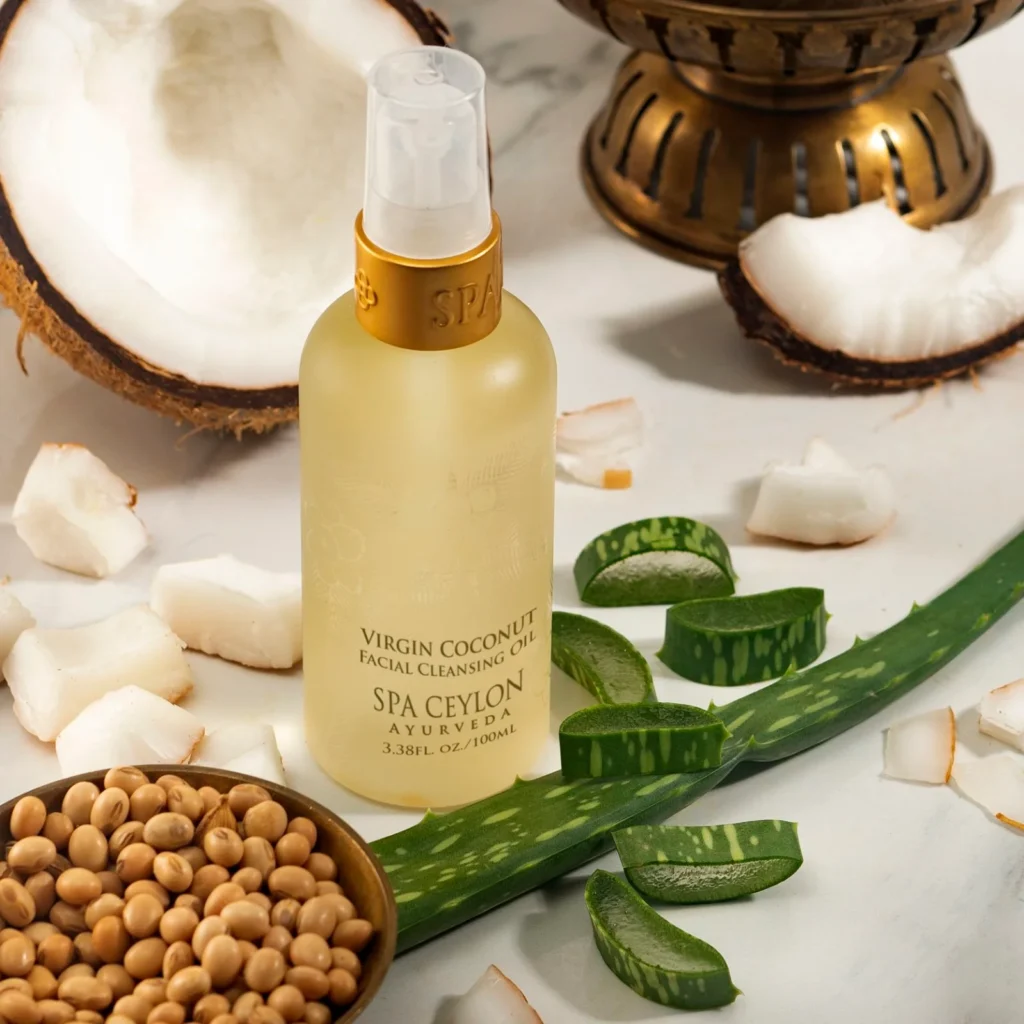
As we all know, a clean face is the key to glowing skin. But have you ever wondered what’s really in those commercial face masks? Many contain harsh chemicals that can dry out our skin or even cause irritation. That’s why I’m excited to share with you a natural and effective way to cleanse your skin using coconut oil.
The Benefits of Coconut Oil for Skin
Coconut oil is a miracle worker when it comes to skin care. Its unique properties make it an excellent cleanser, moisturizer, and anti-ager all in one. Here are some of the benefits of using coconut oil on your face:
- Removes impurities and makeup: Coconut oil’s fatty acids help break down dirt and makeup, leaving your skin feeling clean and refreshed.
- Hydrates and moisturizes: Coconut oil’s rich nutrients help lock in moisture and soothe dry, irritated skin.
- Antimicrobial properties: Coconut oil’s antibacterial and antifungal properties help prevent acne, redness, and other skin issues.
- Anti-aging benefits: Coconut oil’s antioxidants help reduce fine lines, wrinkles, and age spots.
How to Make a Coconut Oil Face Mask
Making your own face mask using coconut oil is easy and cost-effective. Here’s a simple recipe:
Ingredients:
- 150 grams of coconut oil
- 50 grams of cocoa butter
Instructions:
- Melt the cocoa butter in a double boiler or a microwave-safe bowl.
- Add the coconut oil to the melted cocoa butter and stir until well combined.
- Pour the mixture into a clean glass jar and let it cool and solidify.
- Once solid, use the face mask as needed.
Using Coconut Oil on Other Parts of Your Body
Coconut oil is not just for skin care! It’s also an excellent moisturizer for dry lips, cuticles, and even your hair. Simply apply a small amount to the affected area and massage it in.
- Dry lips: Apply a small amount of coconut oil to dry lips and rub it in.
- Cuticles: Massage coconut oil into dry cuticles to soften and hydrate them.
- Hair: Use coconut oil as a pre-shampoo treatment or a hair mask to nourish and moisturize your locks.
Alternatives to Using a Face Mask
You can also use coconut oil as a base for other natural face treatments. Here are a few ideas:
- Exfoliate with sugar: Mix coconut oil with sugar and gently scrub away dead skin cells.
- Soothe sunburn: Apply coconut oil directly to sunburned skin to help soothe and moisturize.
- Reduce inflammation: Use coconut oil as a topical treatment for acne, rosacea, or other inflammatory skin issues.
Tips for Choosing the Right Coconut Oil
Not all coconut oils are created equal. Here are a few tips for choosing the right one:
- Look for “extra virgin” or “cold-pressed” coconut oil for its high nutritional content.
- Avoid hydrogenated coconut oil, which can be processed using harsh chemicals.
- Choose a reputable brand that uses sustainable and eco-friendly practices.
What to Expect from Coconut Oil
When you start using coconut oil on your skin, you may notice some changes. Here are a few things to expect:
- Improved skin tone: As coconut oil hydrates and nourishes your skin, you may notice an improvement in skin tone and a reduction in hyperpigmentation.
- Reduced acne: Coconut oil’s antibacterial properties can help reduce acne breakouts and prevent future occurrences.
- Softer skin: Coconut oil helps lock in moisture and soothe dry, irritated skin, leaving it feeling softer and more hydrated.
Combining Coconut Oil with Other Natural Ingredients
Coconut oil is a versatile ingredient that can be combined with other natural ingredients to create even more effective treatments. Here are a few ideas:
- Rosehip oil: Mix coconut oil with rosehip oil for an anti-aging face mask.
- Turmeric: Combine coconut oil with turmeric powder for an anti-inflammatory face mask.
- Cinnamon: Use coconut oil and cinnamon powder as a natural exfoliant.
Debunking Common Myths About Coconut Oil
Coconut oil has been the subject of much debate in recent years. Here are a few common myths about coconut oil that you should know:
- Myth: Coconut oil is too rich for oily skin.
Reality: While it’s true that coconut oil can be rich, it’s also hydrating and nourishing for all skin types. - Myth: Coconut oil doesn’t provide enough moisturizing benefits for dry skin.
Reality: Coconut oil is rich in fatty acids that help lock in moisture and soothe dry, irritated skin. - Myth: Coconut oil contains high levels of saturated fat.
Reality: While coconut oil does contain saturated fat, it’s also a good source of healthy fats that can actually improve heart health.
Conclusion
Coconut oil is a natural and effective way to cleanse your skin and promote healthy aging. With its antimicrobial properties, hydrating effects, and anti-aging benefits, it’s no wonder why coconut oil has become a staple in many skincare routines. By making your own face mask using coconut oil, you can experience the benefits of this miracle worker for yourself.
Frequently Asked Questions
Q: Is coconut oil suitable for all skin types?
A: Coconut oil is generally safe to use on most skin types, but it may not be suitable for acne-prone skin or sensitive skin.
Q: Can I use coconut oil as a substitute for other face masks?
A: While coconut oil can provide some benefits, it’s not a substitute for other face masks. If you’re looking for specific benefits like brightening or firming, you may want to consider a different type of face mask.
Q: How often should I apply coconut oil to my skin?
A: Apply coconut oil as needed, ideally after cleansing and moisturizing your skin.
Q: Can I mix coconut oil with other oils?
A: Yes! You can mix coconut oil with other oils like olive oil or jojoba oil for added benefits.
Q: Is coconut oil safe for children’s skin?
A: Coconut oil is generally safe to use on children’s skin, but be sure to patch test first and consult with a pediatrician if you have any concerns.
Q: Can I use coconut oil on my hair?
A: Yes! Coconut oil can help nourish and moisturize your hair, reducing frizz and adding shine.


