
Introduction
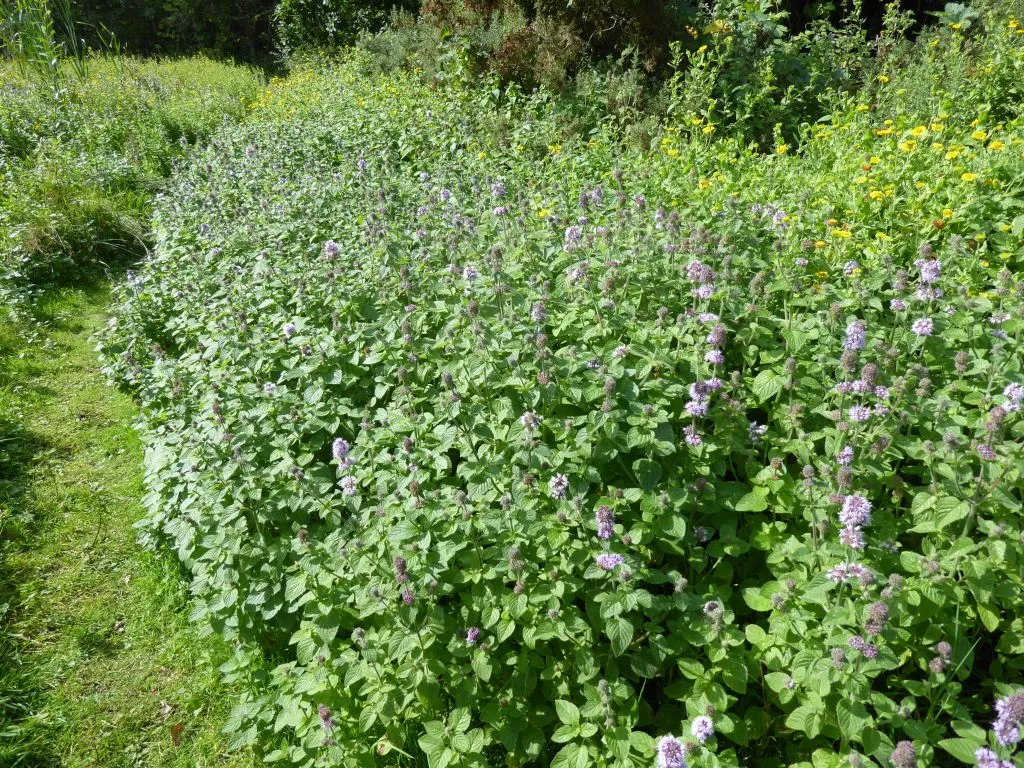
Menta aquatica, also known as aquatic mint, is a lesser-known plant species that has been gaining attention for its numerous health benefits. While its cousin, peppermint, receives more popularity, the aquatic menta offers unique properties and uses that are worth exploring.
In this article, we will delve into the world of aquatic mint, discussing its properties, uses, cultivation, and more. Whether you’re a seasoned herbalist or just starting to explore natural remedies, this comprehensive guide will provide you with valuable insights into the amazing benefits of the aquatic menta.
Properties and Characteristics of Menta Aquatica
The aquatic menta is a perennial plant that thrives in moist environments, such as riversides, ponds, and wetlands. Its leaves and flower tops are used to prepare infusions, teas, and other medicinal preparations. The plant’s properties include:
- Antispasmodic: Relieves muscle spasms and cramps
- Carminative: Reduces gas and bloating in the digestive system
- Diuretic: Stimulates urine production, aiding in hydration and detoxification
- Refrigerant: Cools down the body temperature, reducing heat stress
- Vasodilator: Widens blood vessels, improving circulation and lowering blood pressure
- Antiseptic: Prevents infection and promotes wound healing
- Astringent: Reduces inflammation and itching in the skin
- Colagogogic: Stimulates digestion and bowel movements
- Stimulant: Increases energy levels and mental clarity
- Stomachic: Soothes digestive issues, such as nausea and indigestion
- Analgesic: Relieves pain and discomfort
- Emetic (stimulates vomiting in case of poisoning): Aids in removing toxins from the body
These properties make the aquatic menta an excellent natural remedy for various health issues, such as digestive problems, headaches, and skin irritations.
Using Menta Aquatica for Hair Care
The aquatic menta is also used in some shampoos due to its detoxifying properties. One popular shampoo that uses the herb is Klorane’s Shampoo alla Menta Acquatica, available on Amazon.
Preparing an Infusion of Menta Aquatica
To prepare a diuretic and digestive infusion, boil water containing a teaspoon of dried aquatic mint leaves for 5 minutes. Then, let it cool down and filter the liquid.
Bathing with Menta Aquatica
The baths prepared with the aquatic menta have tonifying, refreshing, and anti-pruritic properties, which help to alleviate skin irritations and pruritus. To prepare a bath, add two handfuls of dried aquatic mint leaves to warm water in your bathtub.
Extracting Oil from Menta Aquatica
To fully utilize the benefits of the aquatic menta, you can extract its essential oil using steam distillation. The process involves heating the plant material with steam, which causes the oil to vaporize and condense into a usable form. You can purchase steam distillers online or create your own distiller at home.
Growing Menta Aquatica
The aquatic menta is a hardy plant that thrives in moist environments. It can grow in both acidic and alkaline soils, making it adaptable to various terrains. In its natural habitat, the plant grows along riversides, ponds, and wetlands.
To cultivate the aquatic menta, prepare a soggy and humid soil environment. While the exact growing conditions are not crucial, provide adequate water supply for optimal growth.
Tips for Growing Menta Aquatica
- Choose a spot with partial shade to full sun exposure
- Maintain a consistent moisture level, but avoid overwatering
- Fertilize regularly with a balanced fertilizer
- Prune the plant regularly to promote healthy growth
Conclusion
The aquatic menta is an understated yet remarkable herb that offers numerous health benefits and uses. From its medicinal properties to its potential in hair care and bathing, this comprehensive guide has provided you with valuable insights into the amazing world of aquatic mint.
If you have any further questions or concerns about the aquatic menta, feel free to ask!
FAQs
- Q: What are the benefits of using menta aquatica for digestive issues?
A: Menta aquatica is used to alleviate digestive problems due to its diuretic and carminative properties. - Q: How do I prepare an infusion of menta aquatica for health benefits?
A: Boil water containing a teaspoon of dried aquatic mint leaves, let it cool down, and filter the liquid before consumption. - Q: What are the potential risks associated with using menta aquatica for medicinal purposes?
A: While generally considered safe, excessive use of menta aquatica can cause allergic reactions or interact with certain medications. - Q: How do I extract oil from menta aquatica for personal use?
A: Steam distillation is a recommended method to extract essential oil from the plant material. - Q: What are some potential side effects of using menta aquatica in hair care products?
A: Menta aquatica may cause allergic reactions or interact with certain shampoos, so it’s best to consult with a healthcare professional before use. - Q: Can I grow menta aquatica indoors?
A: While possible, growing the aquatic menta indoors requires proper humidity and lighting conditions to thrive. - Q: What are some alternative uses for the oil extracted from menta aquatica?
A: Menta aquatica essential oil can be used in aromatherapy, skincare products, or as a natural remedy for various health issues.
Whether you’re an experienced herbalist or just starting to explore natural remedies, this comprehensive guide has provided you with valuable insights into the amazing world of aquatic mint.


