
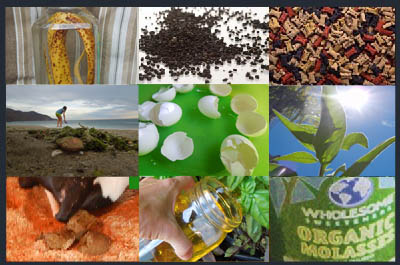
As a gardener, you’re constantly on the lookout for ways to improve your soil’s fertility and structure. But have you ever considered using natural fertilizers? Not only are they eco-friendly, but they can also be cost-effective and tailored to your specific gardening needs.
In this article, we’ll explore 10 DIY natural fertilizers that you can make at home using common household items. From coffee grounds to eggshells, these fertilizers will help your plants thrive without breaking the bank or harming the environment.
Why Use Natural Fertilizers?
Traditional fertilizers often contain harsh chemicals that can harm beneficial insects, contaminate soil and water, and even pose health risks to humans. By using natural fertilizers, you can:
- Improve soil structure and fertility
- Support healthy microbial activity
- Reduce your carbon footprint
- Create a more sustainable gardening practice
Benefits of Natural Fertilizers
Natural fertilizers offer several benefits over traditional chemical fertilizers. Some of the key advantages include:
- Environmentally friendly: Natural fertilizers are biodegradable and non-toxic, making them a safer choice for gardens and the environment.
- Cost-effective: While some natural fertilizers may be more expensive than chemical fertilizers upfront, they can be reused and recycled, making them a cost-effective option in the long run.
- Tailored to your plants’ needs: Natural fertilizers can be customized to meet the specific needs of your plants, including their pH level, nutrient deficiencies, and soil type.
10 DIY Natural Fertilizers
Here are 10 DIY natural fertilizers that you can make at home using common household items:
- Coffee Grounds: A Rich Source of Nitrogen
Used coffee grounds are rich in nitrogen, phosphorus, and potassium, making them an excellent natural fertilizer for your plants. Simply bury the grounds around the base of your plants or mix them into your compost pile.
Benefits of Using Coffee Grounds as a Fertilizer:
* Improves soil structure and fertility
* Supports healthy microbial activity
* Attracts beneficial insects
- Eggshells: A Calcium-Rich Fertilizer
Crushed eggshells can be used to create a natural fertilizer rich in calcium, which is essential for plant growth. Simply crush the eggshells and mix them into your compost pile or use them as a top dressing around your plants.
Benefits of Using Eggshells as a Fertilizer:
* Provides calcium for plant growth
* Supports healthy microbial activity
* Attracts beneficial insects
- Banana Peels: A Rich Source of Potassium
Banana peels are rich in potassium, an essential nutrient for plant growth. Simply bury the peels around the base of your plants or mix them into your compost pile.
Benefits of Using Banana Peels as a Fertilizer:
* Provides potassium for plant growth
* Supports healthy microbial activity
* Attracts beneficial insects
- Tea Bag Pulp: A Nutrient-Rich Fertilizer
Used tea bags can be composted and turned into a nutrient-rich fertilizer that’s perfect for acid-loving plants like azaleas and rhododendrons.
Benefits of Using Tea Bag Pulp as a Fertilizer:
* Provides micronutrients for plant growth
* Supports healthy microbial activity
* Attracts beneficial insects
- Compost: A Natural Soil Amendment
Composting is an excellent way to turn food waste and yard trimmings into a nutrient-rich fertilizer that’s perfect for your plants.
Benefits of Using Compost as a Fertilizer:
* Improves soil structure and fertility
* Supports healthy microbial activity
* Reduces greenhouse gas emissions
- Manure Tea: A Liquid Fertilizer
Manure tea is a liquid fertilizer made by steeping animal manure in water. It’s an excellent way to provide your plants with a boost of nutrients.
Benefits of Using Manure Tea as a Fertilizer:
* Provides micronutrients for plant growth
* Supports healthy microbial activity
* Attracts beneficial insects
- Alfalfa Meal: A High-Potassium Fertilizer
Alfalfa meal is a high-potassium fertilizer made from the dried and ground leaves of the alfalfa plant.
Benefits of Using Alfalfa Meal as a Fertilizer:
* Provides potassium for plant growth
* Supports healthy microbial activity
* Attracts beneficial insects
- Bone Meal: A Slow-Release Fertilizer
Bone meal is a slow-release fertilizer made from animal bones that have been ground into a fine powder.
Benefits of Using Bone Meal as a Fertilizer:
* Provides phosphorus for plant growth
* Supports healthy microbial activity
* Attracts beneficial insects
- Wood Ash: A Potassium-Rich Fertilizer
Wood ash is a potassium-rich fertilizer made from the ashes of wood that have been burned.
Benefits of Using Wood Ash as a Fertilizer:
* Provides potassium for plant growth
* Supports healthy microbial activity
* Attracts beneficial insects
- Peat Moss: An Acidic Fertilizer
Peat moss is an acidic fertilizer made from the remains of plants that have been preserved in bogs.
Benefits of Using Peat Moss as a Fertilizer:
* Provides acidity for plant growth
* Supports healthy microbial activity
* Attracts beneficial insects
Tips and Tricks
Here are some tips and tricks to keep in mind when using natural fertilizers:
- Start small: Begin with small amounts and gradually increase the quantity as needed.
- Mix and match: Combine different natural fertilizers to create a customized blend for your plants’ needs.
- Be patient: Natural fertilizers can take time to work, so be patient and consistent in your application.
- Monitor pH levels: Keep an eye on your soil’s pH level and adjust the fertilizer accordingly.
Conclusion
Natural fertilizers are a great way to improve your soil’s fertility and structure without breaking the bank or harming the environment. By using these 10 DIY natural fertilizers, you can create a more sustainable gardening practice that benefits both you and the planet.
Whether you’re a seasoned gardener or just starting out, incorporating natural fertilizers into your gardening routine can have a significant impact on your plants’ health and growth. So why not give it a try? With these easy-to-make natural fertilizers, you’ll be well on your way to creating a thriving and sustainable garden that will make you proud.
Frequently Asked Questions
Q: What is the best natural fertilizer for my plants?
A: The best natural fertilizer for your plants will depend on their specific needs. Consider factors like pH level, nutrient deficiencies, and soil type when choosing a natural fertilizer.
Q: How do I make a manure tea?
A: To make a manure tea, steep 1-2 cups of animal manure in 5 gallons of water for 24-48 hours. Strain the liquid and use it as a fertilizer.
Q: Can I use coffee grounds on all types of plants?
A: Yes, but be cautious when using coffee grounds around acid-loving plants like azaleas and rhododendrons, as they can cause pH imbalances.
Q: How often should I apply natural fertilizers to my plants?
A: The frequency of application will depend on the type of fertilizer and the specific needs of your plants. Generally, it’s best to start with small amounts and gradually increase as needed.
Q: Can I compost food waste and yard trimmings at home?
A: Yes, you can compost food waste and yard trimmings at home using a simple compost bin or pile. Simply add a mix of “green” (food waste) and “brown” (yard trimmings), and let the magic happen.
Q: Are natural fertilizers expensive?
A: While some natural fertilizers may be more expensive than chemical fertilizers upfront, they can be reused and recycled, making them a cost-effective option in the long run. Additionally, many natural fertilizers are readily available at home or can be made with minimal investment.


