
As the summer months approach, our lawns and gardens come alive with new growth. However, this newfound vitality can also bring unwanted companions – weeds. These pesky plants can quickly overtake our carefully manicured spaces, ruining the aesthetic appeal of our outdoor areas. In this article, we’ll explore the importance of managing weeds and provide a step-by-step guide on how to make your own natural weed killer using common household ingredients.
Understanding Weeds
Weeds are unwanted plants that grow in places where they’re not wanted, often competing with desirable plants for water, nutrients, and light. These invasive species can be divided into two categories: broad-leaved weeds and narrow-leaved weeds. Broad-leaved weeds have wider leaves, while narrow-leaved weeds have narrower ones.
Why Choose a Natural Weed Killer?
Conventional weed killers often contain harsh chemicals that can harm the environment, wildlife, and even humans. In contrast, natural weed killers are made from non-toxic ingredients that are gentle on the ecosystem. By using these eco-friendly alternatives, you can reduce your environmental footprint while maintaining a healthy and beautiful lawn or garden.
The Environmental Impact of Weed Killers
Weed killers can have devastating effects on the environment. They can contaminate soil, water, and air, harming wildlife and ecosystems. Additionally, many weed killers contain persistent organic pollutants (POPs) that persist in the environment for years, causing long-term damage to ecosystems.
The Benefits of Natural Weed Killers
Using natural weed killers offers several benefits:
- Environmental safety: Non-toxic ingredients won’t harm wildlife or pollinators.
- Cost-effective: Homemade solutions are often cheaper than commercial products.
- Reduced risk of addiction: No risk of addiction, as these products contain no toxic chemicals.
- Long-term effects: Natural weed killers can help improve soil health and structure over time.
Making Your Own Natural Weed Killer
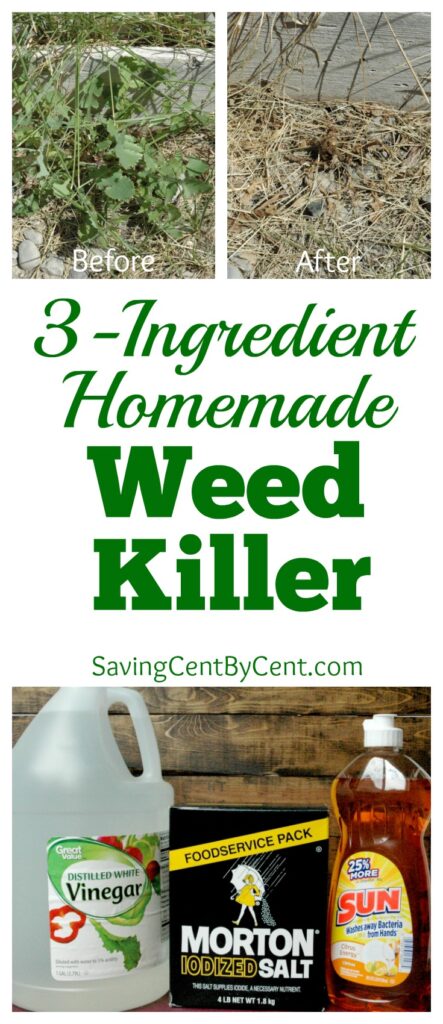
To create an effective natural weed killer, you’ll need three simple ingredients:
- 5 liters of water
- 1 kilogram of salt (preferably sea salt)
- 1.5 liters of white vinegar
Here’s how to prepare your natural weed killer:
- Dissolve the salt in 5 liters of hot water until it’s completely dissolved.
- Add the white vinegar and stir well.
Your homemade natural weed killer is now ready to use!
Tips for Using Your Natural Weed Killer
Before applying your natural weed killer, consider the following tips:
- Avoid using this product during periods of heavy rain, as it may not be effective.
- Refrain from watering your lawn or garden for a few days after application, as this can reduce the effectiveness of the treatment.
Alternative Methods: Selective Weed Killers and Solarization
If you’re looking for more targeted solutions to eliminate weeds without harming the environment, consider these alternatives:
- Selective weed killers: Products like Roundup are specifically designed to target specific types of weeds. However, be sure to follow the instructions carefully and avoid overusing these products.
- Solarization: This technique involves trapping the sun’s heat under a clear plastic tarp to kill weeds by overheating them. While this method can be effective, it may not be suitable for all types of weeds or soil conditions.
The Benefits of Pirodiserbo
Pirodiserbo is a cost-effective and eco-friendly method for eliminating weeds. This technique involves applying heat to the soil to kill weeds by disrupting their growth cycle. By using a bruciatore termico (thermal burner), you can achieve this effect without harming the environment.
We recommend the Deuba thermal burner, which is available on Amazon for around 24.95 euros IVA inclusa. This device is perfect for small areas, such as borders or pathways.
Conclusion
Managing weeds doesn’t have to mean using harsh chemicals that harm the environment and wildlife. By making your own natural weed killer using common household ingredients and exploring alternative methods like selective weed killers and solarization, you can keep your lawn and garden healthy and beautiful while reducing your ecological footprint.
Frequently Asked Questions (FAQs)
- Can I use my natural weed killer on all types of weeds?
No, this product is most effective against broad-leaved weeds. For narrow-leaved weeds, consider using a selective weed killer or solarization. - How often should I apply my natural weed killer?
Apply the treatment during the growing season (spring and summer) when weeds are actively growing. - Can I use this product on sensitive plants?
No, this product is not suitable for sensitive plants. Always test a small area before applying the treatment. - Is this product safe for pets and children?
Yes, this product is non-toxic and safe to use around pets and children when used according to instructions. - Can I reuse my natural weed killer after one application?
No, you should prepare a fresh batch of your natural weed killer each time you need it. - How long does the treatment last?
The effects of this treatment can last for several weeks to months, depending on weather conditions and weed growth. - Can I use this product in areas with standing water?
No, avoid using this product in areas with standing water, as it may not be effective. - Is this product available in stores?
Yes, you can find natural ingredients like salt, vinegar, and bruciatore termici at most grocery stores or online retailers.
Maintaining Your Natural Weed Killer
To ensure your natural weed killer remains effective, follow these maintenance tips:
- Store the solution in an airtight container to prevent contamination.
- Use the solution within 2 weeks of preparation.
- Always follow the recommended dosage and application instructions.
By following these simple steps, you can create an effective natural weed killer using common household ingredients. This will help you maintain a healthy and beautiful lawn or garden while reducing your ecological footprint.


