
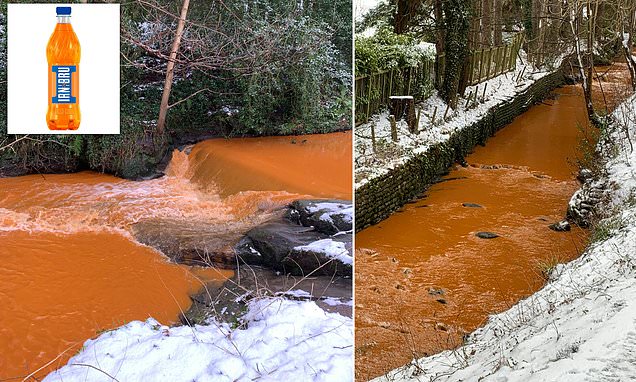
The Carbon Contamination Crisis in Italy: A Growing Environmental Concern
1. The Hidden Danger of Carbon Pollution
In the world of environmental issues, carbon has become a dirty word, synonymous with pollution and harm to our planet. In Italy, there are numerous waterways contaminated by carbon, a situation that has sparked concern among environmentalists and authorities alike.
The Italian Regional Agency for Environmental Protection (ARPA) in Brindisi, Puglia, has confirmed the alarming levels of contamination caused by the Enel coal-fired power plant, Federico II. The plant’s emissions not only pollute the air and land but also lead to the leakage of coal dust into nearby waterways.
2. The Coal Dust Disaster
The ARPA has ordered the halt of irrigation systems near the plant after detecting high levels of coal dust in the water. This move aims to prevent further contamination, which would have devastating effects on local ecosystems.
Environmental organizations, such as WWF Italy, are questioning why there hasn’t been a comprehensive emergency plan put in place to mitigate such incidents. The lack of preparedness is alarming and raises concerns about the company’s and government’s responsibility towards environmental protection.
3. A History of Environmental Concerns
The coal-fired power plant in Brindisi has been the subject of controversy for years, with local farmers unable to cultivate land near the plant due to pollution fears. Furthermore, the wastewater from nearby industrial facilities contains high levels of carbon particles, posing a significant risk to human health.
4. The Dangers of Coal Dust
Coal dust is a known environmental hazard, composed of idrocarburi policiclici aromatici (IPAs), arsenic, and mercury. These pollutants can cause harm to marine life, contaminate the food chain, and even lead to cancer, genetic mutations, and fetal abnormalities.
The widespread contamination of Italy’s waterways with coal dust poses a significant threat to the country’s delicate ecosystem. The effects of this pollution are far-reaching and devastating, from local wildlife to human health.
5. The Ripple Effect on Marine Life
Coal dust can easily enter the ocean, settling on the seafloor and contaminating marine life. This has serious consequences, as pollutants accumulate in the food chain and reach our plates. In fact, research has shown that coal dust can:
- Threaten marine biodiversity: By reducing oxygen levels in waterways, making it difficult for marine organisms to survive.
- Contaminate seafood: Through the accumulation of pollutants in fish and other aquatic life.
- Impact human health: Exposing humans to toxic substances through the consumption of contaminated seafood.
6. Italy’s Fragile Environment
Italy’s territorial integrity is under threat due to the effects of environmental degradation, including coal pollution. This crisis requires immediate attention from authorities, government agencies, and industry leaders to prevent further damage to ecosystems.
7. The Need for Comprehensive Solutions
The situation at Brindisi highlights the importance of implementing comprehensive emergency plans to mitigate environmental disasters like this one. These plans should include:
- Regular monitoring: Tracking water quality, air pollution levels, and other environmental indicators.
- Enhanced regulations: Strengthening laws to hold companies accountable for their environmental impact.
- Collaboration with local communities: Working closely with affected areas to ensure the long-term health of ecosystems.
8. The Human Cost of Environmental Neglect
The consequences of ignoring environmental pollution are severe and far-reaching, affecting human health, economies, and communities worldwide. It is imperative that we recognize the value of protecting our environment for future generations.
9. What Can We Do to Help?
There are several ways individuals can contribute to reducing environmental harm:
- Support organizations working on climate change: Donate to or volunteer with groups focused on renewable energy, reforestation, and wildlife conservation.
- Reduce carbon footprint: Make eco-friendly choices in daily life, such as using public transport, carpooling, or driving electric vehicles.
- Stay informed: Stay up-to-date on environmental issues and share knowledge with others to raise awareness.
10. A Call for Action
The situation at Brindisi serves as a stark reminder of the urgent need for environmental protection and sustainable practices. By working together, we can mitigate the effects of pollution and create a healthier environment for all living beings.
11. International Cooperation
To combat the spread of carbon contamination in Italy and elsewhere, international cooperation is essential. Governments, corporations, and NGOs must work together to:
- Develop effective regulations: Establishing strict standards and enforcement mechanisms to prevent environmental degradation.
- Promote clean energy sources: Investing in renewable energy technologies, such as solar, wind, and hydroelectric power, can help reduce reliance on fossil fuels.
- Enhance public awareness: Educating communities about the risks of carbon pollution and promoting eco-friendly behaviors.
12. Education and Awareness
Education is key to mitigating the effects of environmental degradation. Individuals, schools, and communities must be informed about:
- Environmental health impacts: Understanding the direct and indirect consequences of pollution on human health.
- Eco-friendly practices: Learning sustainable habits, such as reducing waste, conserving water, and using eco-friendly products.
13. Economic Benefits
Investing in environmental protection can have significant economic benefits:
- Reducing healthcare costs: By minimizing the effects of air and water pollution, we can lower healthcare expenditures related to respiratory issues and other health problems.
- Boosting tourism: Preserving Italy’s natural beauty and cultural heritage attracts tourists from around the world.
- Increasing productivity: Cleaner environments improve worker well-being and productivity.
14. Environmental Justice
The struggle for environmental justice is crucial, as vulnerable communities are disproportionately affected by pollution:
- Addressing historical injustices: Recognizing past environmental wrongs and working to rectify them through reparations and community engagement.
- Supporting marginalized groups: Advocating for policies that protect the rights of communities affected by environmental degradation.
15. Sustainable Development
Achieving sustainable development is a long-term goal, requiring:
- Inclusive decision-making: Encouraging participation from diverse stakeholders in policy-making processes.
- Monitoring progress: Tracking indicators and adjusting strategies to ensure environmental protection and economic growth are balanced.
The Carbon Contamination Crisis in Italy serves as a stark reminder of the urgent need for environmental protection. By working together, we can mitigate the effects of pollution and create a healthier environment for all living beings.


