
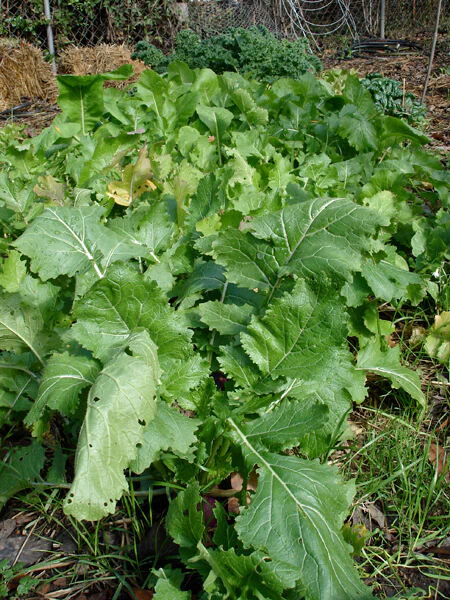
Growing Rapini Cabbage: A Comprehensive Guide to Cultivating and Harvesting Rapini
As you ponder the art of growing rapini, it’s essential to understand that cultivating these cabbage-like vegetables is equivalent to growing their flower buds, known as inflorescences or friarielli in Italian. Rapini are a staple in many Italian cuisines, particularly in Naples, where they’re referred to as “fririelli contro-tempo” due to their ability to thrive during the winter months.
What are Rapini Cabbage?
Rapini cabbage is known by several names, including:
- Friarielli
- Broccoli di rapa
- Broccoli friarielli
- Rapini
The botanical name for this vegetable is Brassica rapa subsp. sylvestris and varietas esculenta. In Italy, the majority of rapini cultivation takes place in the Campania, Puglia, and Lazio regions.
Why are Some Rapini Amara?
In part, the bitterness of some rapini stems from the variety grown, but it’s largely influenced by the timing of the harvest. To achieve a sweeter flavor, friarielli (the flower buds) should be harvested when they’re still young and tender. The longer the plant is left on the vine, the higher the concentration of bitter compounds.
How to Clean Rapini Cabbage
When preparing rapini for consumption, only use the younger leaves, stems, and closed flower buds. Remove any older or tougher leaves, as they can be too fibrous for eating. For optimal flavor and texture, choose fresh, young inflorescences.
Cultivating Rapini Cabbage: A Step-by-Step Guide
Rapini cabbage is an excellent choice for autumn and winter gardens due to its ability to thrive in low temperatures. You can start growing them by:
- Sowing seeds: Sow seeds directly into the ground, starting from late August to early November in the southern regions.
- Transplanting seedlings: Plant seedlings from March onwards, about 10-15 cm apart and 30-40 cm between rows.
Choosing the Right Variety
Select a variety that matures within your desired timeframe. For example:
- “Quarantine” varieties take around 40 days to mature
- “Sessantine” varieties mature in approximately 60 days
- “Novantine” varieties take about 90 days
Tips for Growing Rapini Cabbage
Here are some additional tips to keep in mind when growing rapini cabbage:
- Make sure the soil is well-draining and rich in nutrients.
- Maintain a consistent temperature between 18-22°C (64-72°F).
- Provide adequate sunlight, but avoid direct sunlight during peak hours.
Harvesting Rapini Cabbage
When to harvest rapini?
Rapini cabbage is ready for harvest when the flower buds are tender and still closed. You can check for readiness by looking for:
- Young, tender leaves
- Closed flower buds
- A slight sweetness in the taste
Growing Rapini Cabbage from Seeds
Seeds are readily available at local nurseries or online retailers. Follow these steps to sow seeds:
- Prepare your seed starting mix and plant the seeds about 1 cm deep.
- Cover the seeds with a thin layer of soil.
- Water gently but thoroughly.
Growing Rapini Cabbage in Pots
If you prefer growing rapini cabbage in pots, follow these steps:
- Choose a container that’s at least 30-40 cm deep and has good drainage holes.
- Use a well-draining potting mix specifically designed for containers.
- Plant the seeds or seedlings according to the instructions provided.
Conclusion
Growing rapini cabbage is an excellent way to introduce your family to this delicious, nutritious vegetable. With proper care, attention to timing, and patience, you’ll be enjoying tender, flavorful rapini in no time.
Frequently Asked Questions (FAQs)
1. What is the best time to harvest rapini?
Rapini cabbage is ready for harvest when the flower buds are still closed and tender.
2. How do I clean my rapini?
Remove any older or tougher leaves, as they can be too fibrous for eating. Use only the younger leaves, stems, and closed flower buds.
3. Can I grow rapini in pots?
Yes, you can grow rapini cabbage in pots using a well-draining potting mix specifically designed for containers.
4. What is the most bitter variety of rapini?
The bitterness of some rapini varieties depends on factors like timing and growing conditions. However, some popular varieties that are known for their intense flavor include “Quarantine” and “Sessantine”.
5. Can I grow rapini in areas with low temperatures?
Yes, rapini cabbage can be grown in areas with low temperatures. They prefer cooler climates, making them an ideal choice for winter gardens.
6. How often should I water my rapini plants?
Water your rapini plants when the top inch of soil feels dry to the touch. Avoid overwatering, which can lead to root rot and other problems.
7. Can I grow multiple varieties of rapini together?
Yes, you can grow multiple varieties of rapini together. However, make sure they have different growth habits and maturity dates to avoid competition for resources.
8. How do I store my harvested rapini cabbage?
To maintain freshness, store your harvested rapini cabbage in a cool, dry place or refrigerate it immediately after harvesting.


