
Mould on walls can be a frustrating and unsightly problem for homeowners. It’s essential to understand the causes, signs, and solutions to address this issue effectively.
Understanding the Causes of Mould on Walls
Mould on walls is often caused by condensation, which occurs when warm air comes into contact with cold surfaces. This creates an ideal environment for mould spores to grow. Other factors that contribute to mould growth include:
- Insufficient ventilation: When air can’t circulate freely, moisture becomes trapped, creating a perfect breeding ground for mould.
- Poor drainage: Clogged gutters or downspouts can lead to water accumulation, which can then seep into walls and promote mould growth.
- High humidity levels: Mould thrives in humid environments, making it essential to maintain a balance of moisture in your home.
- Water leaks or damage: Leaky pipes, roof damage, or flooding can all contribute to mould growth on walls.
- Poor insulation: Inadequate insulation can allow cold air to seep into your home and warm air to escape, creating an environment that’s conducive to mould growth.
Recognizing the Signs of Mould on Walls
Mould on walls can manifest in different ways, including:
- Discolouration (green, black, or white): Mould can cause walls to turn various shades of green, black, or white, depending on the type of mould.
- Odour or musty smell: A strong, unpleasant odour is often a sign of mould growth.
- Visible growths or patches: Mould can appear as fuzzy, slimy patches or streaks on walls.
- Damage to walls, ceilings, or flooring: In severe cases, mould can damage the structure of your home.
If you suspect mould on your walls, it’s crucial to investigate and address the issue promptly. Ignoring mould growth can lead to further damage, health problems, and costly repairs.
Removing Mould from Walls: Natural Remedies
Before applying any chemicals or products, consider these natural remedies:
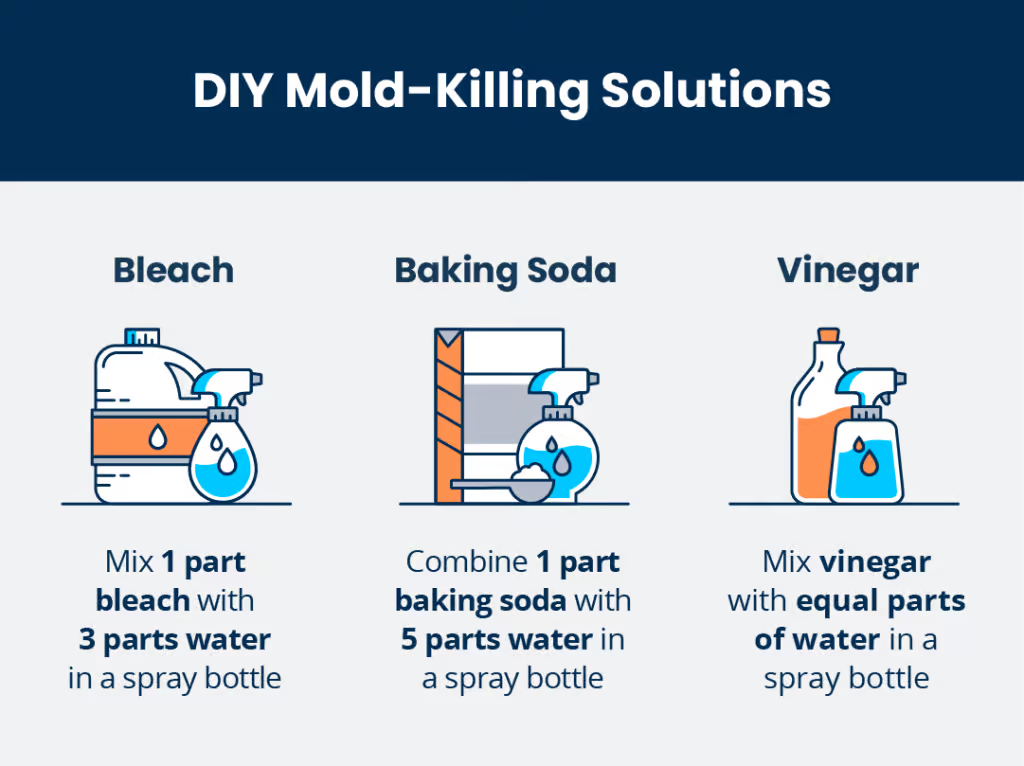
- Baking Soda and Water: Mix baking soda and water to create a paste, apply it to the affected area, and let it sit for 15 minutes before rinsing.
- Vinegar Solution: Combine equal parts of white vinegar and water in a spray bottle. Spray the solution onto the mouldy area and let it sit for 10-15 minutes before wiping clean with a damp cloth.
- Tea Tree Oil: Add a few drops of tea tree oil to a spray bottle filled with water. Spray the solution onto the mouldy area and let it sit for 10-15 minutes before wiping clean with a damp cloth.
Product-Based Solutions
For more severe cases or when natural remedies fail, consider these product-based solutions:
- Maurer Plus: A spray antimould that contains cloroativo, which effectively removes mould spores and prevents their regrowth.
- Mapelastic: A building insulation material that can be applied to walls to prevent moisture from entering the building.
- Pittura Termica Antimuffa Genial Solver: A paint specifically designed to tackle mould growth on walls. It’s a two-part system that includes an antimould primer and a topcoat.
Prevention is Key
To avoid future mould growth, focus on:
- Improving ventilation: Ensure good airflow in your home by opening windows, using fans, or installing vents.
- Enhancing drainage: Clear gutters and downspouts regularly, and consider installing gutter guards to prevent debris accumulation.
- Reducing humidity levels: Use a dehumidifier, especially in areas prone to moisture like bathrooms and kitchens.
- Fixing water leaks or damage: Address any water-related issues promptly to prevent mould growth.
- Upgrading insulation: Ensure your home’s insulation is adequate and well-maintained to prevent moisture from entering the building.
By following these tips and using the right products, you can effectively eliminate mould from your walls and create a healthier living environment.
Frequently Asked Questions
- What causes mould to grow on walls?
Mould growth is often caused by condensation, poor ventilation, high humidity levels, water leaks or damage, and poor insulation. - How do I remove mould from walls?
Natural remedies like baking soda and vinegar solutions can be effective, but for more severe cases, consider using product-based solutions like Maurer Plus or Mapelastic. - Can I prevent mould growth on my walls?
Yes, by improving ventilation, enhancing drainage, reducing humidity levels, fixing water leaks or damage, and upgrading insulation, you can create an environment that’s less conducive to mould growth.
If you suspect mould on your walls or need further assistance, consult a professional for guidance.


