
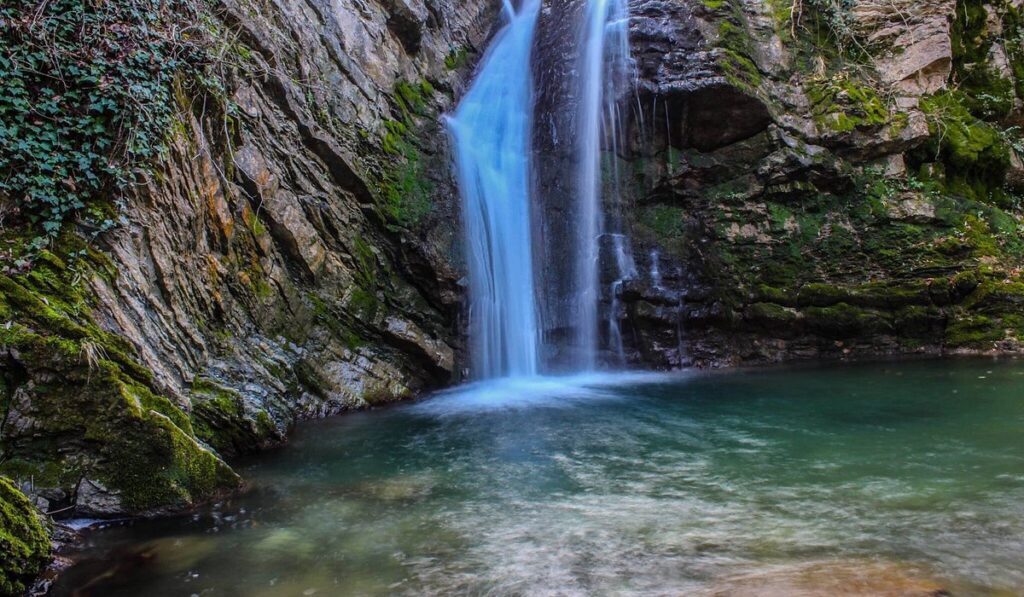
Tucked away in the southernmost part of Italy, Basilicata is a treasure trove of natural wonders waiting to be explored. With its breathtaking landscapes, rich wildlife, and unique cultural heritage, this region is an ideal destination for those seeking an authentic ecotourism experience. In this article, we’ll delve into five must-visit spots in Basilicata that will leave you in awe of nature’s splendor.
Ecotourism in the Pollino National Park
Located in southwestern Italy, the Pollino National Park is a UNESCO Biosphere Reserve and one of the largest protected areas in Europe. Spanning over 192,565 hectares, this park boasts an incredible array of flora and fauna, including the rare driomio, a small rodent found only in these woods. Hike through the snow-capped peaks of the Pollino and Orsomarso massifs, where you can spot wolves and other wildlife amidst the stunning scenery.
The Pollino National Park is not just about hiking and wildlife spotting; it’s also home to numerous archaeological sites, including ancient Roman ruins and medieval castles. Visit the Castello di Pian del Colle, a 12th-century castle that now serves as a museum, or explore the remains of the ancient city of Lucania.
In addition to its natural beauty and cultural significance, the Pollino National Park also offers a range of outdoor activities, such as horseback riding, mountain biking, and canyoning. Visitors can also participate in guided tours and workshops, led by experienced guides who can provide insights into the park’s unique ecosystem and history.
Exploring the Piccole Dolomiti Lucane
For nature enthusiasts, the Piccole Dolomiti Lucane offer a unique and breathtaking experience. These small but majestic mountains are dotted with peculiar rock formations, earning them nicknames like “Aquila reale” (Royal Eagle) and “Incudine.” As you wander through the hills of Castelmezzano and Pietrapertosa, take in the dramatic views and try your hand at hiking or cycling – the thrill of exploring this off-the-beaten-path destination is unmatched.
The Piccole Dolomiti Lucane National Park is a lesser-known gem compared to some of Italy’s more famous national parks. However, it offers just as much natural beauty and excitement for visitors who are willing to venture off the beaten path. The park’s unique geology has created a variety of landscapes, from alpine meadows to ancient forests, making it an ideal destination for nature lovers.
One of the most popular activities in the Piccole Dolomiti Lucane is hiking. Visitors can choose from a range of trails that cater to different skill levels and interests, from easy strolls through picturesque valleys to more challenging climbs up to the park’s highest peaks. The views from the top are breathtaking, offering stunning vistas of the surrounding mountains and valleys.
Uncovering the Secrets of the Appennino Lucano-Val d’Agri-Lagonegrese National Park
Established in 2007, this national park is one of Italy’s youngest protected areas. Spanning over 72,000 hectares, it boasts a diverse range of habitats, from ancient forests to rolling hills and archeological sites. Explore the ruins of Grumentum, an ancient Roman city, and marvel at the impressive Terme Imperiali (Imperial Baths), a remarkably well-preserved archaeological site.
The Appennino Lucano-Val d’Agri-Lagonegrese National Park is also home to a range of wildlife, including wolves, deer, and birds of prey. Visitors can participate in guided tours or self-guided excursions to spot these animals in their natural habitat. The park’s unique geology has also created a variety of landscapes, from rugged mountains to rolling hills and valleys.
One of the most popular activities in the Appennino Lucano-Val d’Agri-Lagonegrese National Park is horseback riding. Visitors can choose from guided tours or self-guided excursions that take them through the park’s stunning landscapes. The views are breathtaking, offering stunning vistas of the surrounding mountains and valleys.
Discovering the Chiese Rupestri del Materano
Nestled in the heart of Basilicata lies the Parco Archeologico Storico Naturale delle Chiese Rupestri del Materano, also known as the Matera Park. This UNESCO World Heritage Site is home to over 100 ancient rock-hewn churches and numerous sacred sites, showcasing the region’s unique cultural heritage. Wander through the park’s rolling hills and forests, teeming with wildlife, including ibex, wild boars, and birds of prey.
The Chiese Rupestri del Materano are a testament to the region’s rich cultural heritage. These ancient rock-hewn churches were carved out of the living rock over 2,000 years ago, creating intricate and beautiful structures that reflect the region’s unique architecture. Visitors can explore these sites on foot or by bike, taking in the stunning scenery and learning about the park’s rich history.
In addition to its cultural significance, the Chiese Rupestri del Materano also offer a range of outdoor activities, such as hiking, biking, and horseback riding. Visitors can choose from guided tours or self-guided excursions that take them through the park’s stunning landscapes. The views are breathtaking, offering stunning vistas of the surrounding mountains and valleys.
Experience the Natural Beauty of the Monticchio Lakes
Located in the picturesque Vulture Valley, the two lakes of Monticchio offer a serene and breathtaking experience. These ancient volcanic craters now harbor crystal-clear waters that reflect the stunning scenery of the surrounding hills. Visit the nearby Abbazia di San Michele, a 12th-century Benedictine abbey, and explore the adjacent Museum of Natural History of the Vulture, which showcases the region’s unique geology and flora.
The Monticchio Lakes are a popular destination for outdoor enthusiasts, offering a range of activities such as swimming, kayaking, and fishing. Visitors can also participate in guided tours or self-guided excursions to explore the surrounding hills and forests. The views from the top are breathtaking, offering stunning vistas of the surrounding mountains and valleys.
In addition to its natural beauty, the Monticchio Lakes also offer a range of cultural attractions, including museums and historic sites. Visitors can learn about the region’s unique history and culture at the Museum of Natural History of the Vulture or visit the nearby Abbazia di San Michele to explore its ancient architecture.
Conclusion
Basilicata is a hidden gem waiting to be discovered by intrepid travelers. From the snow-capped peaks of the Pollino National Park to the ancient rock-hewn churches of Matera, this region offers an unforgettable ecotourism experience. Whether you’re a nature enthusiast, history buff, or simply looking for a unique adventure, Basilicata has something to offer everyone.
Frequently Asked Questions
-
What are the best times to visit Basilicata?
The best time to visit Basilicata is from April to October, when the weather is mild and sunny. However, if you’re interested in seeing specific wildlife or flowers, plan your trip accordingly. -
How do I get to Basilicata?
Basilicata is easily accessible by car, train, or bus. The region’s nearest airport is Bari, which offers connections to major Italian cities and international destinations. -
What are the must-see attractions in Basilicata?
In addition to the five ecotourism spots mentioned earlier, Basilicata also boasts numerous archeological sites, including the Sassi di Matera UNESCO World Heritage Site and the ancient city of Grumentum. -
Can I hike or cycle through Basilicata’s national parks?
Yes, both hiking and cycling are excellent ways to explore Basilicata’s natural beauty. Many trails offer stunning views and opportunities to spot local wildlife. -
What kind of accommodations can I find in Basilicata?
From budget-friendly agriturismos (farm stays) to luxury resorts, Basilicata offers a wide range of accommodations catering to all budgets and preferences.
-
Are there any cultural festivals or events in Basilicata?
Yes, Basilicata hosts various cultural festivals throughout the year, including the Festa della Madonna del Popolo (Festival of the Virgin of the Poles) in Matera and the Festival dei Suoni e delle Forme (Festival of Sounds and Forms) in Bari. -
Can I visit Basilicata with children?
Absolutely! Many of Basilicata’s attractions are suitable for families, including the lakes of Monticchio and the Piccole Dolomiti Lucane National Park. -
How can I plan my trip to Basilicata?
To plan your trip, research our five ecotourism spots, consider the best time to visit, and choose from a range of accommodations and activities that suit your interests and budget.


