
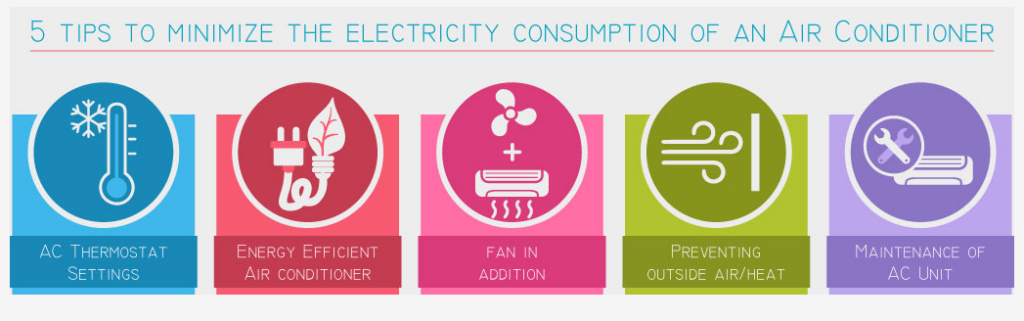
When the heat becomes unbearable, air conditioning becomes our go-to solution. But let’s face it – those cooling bills can be steep! Is it possible to reduce air conditioner consumption without sacrificing comfort? The answer is yes, but it requires making informed choices about your AC unit.
Choosing the Right Air Conditioner
The first step towards reducing energy consumption is selecting an air conditioner with inverter technology. This cutting-edge tech allows for more efficient operation by limiting the number of start-ups and adjusting power consumption to meet demand. By doing so, you can save up to 30% on your energy bills. Another crucial factor is the AC’s energy efficiency class – look for a rating of A, which indicates the highest level of efficiency.
In addition to inverter technology and high energy efficiency, consider the following factors when selecting an air conditioner:
- Size: Ensure the unit is sized correctly for your living space to avoid unnecessary waste and reduce energy consumption.
- Type: Choose between window, split, or portable units based on your specific needs and preferences.
- Features: Some modern ACs come equipped with advanced features like smart thermostats, dehumidification modes, and silent operation. Consider these features if they are important to you.
Assessing Your AC Needs
Before purchasing an air conditioner, it’s essential to assess its size and capacity relative to your living space. This will prevent unnecessary waste and ensure you’re using the right amount of energy. Consult with a professional to determine the ideal unit size for your apartment.
To determine your AC needs, consider the following factors:
- Square footage: Measure the square footage of your home or office to determine the correct AC size.
- Insulation: Check if your walls and ceiling are well-insulated to prevent heat gain.
- Windows: Consider the number and type of windows in your space, as these can affect cooling efficiency.
Optimizing Air Conditioner Performance
Proper placement is key when positioning your air conditioner outside. A shaded area can help reduce energy consumption by up to 5%. Regularly cleaning and maintaining your AC filters is also crucial, as dirty filters can lead to reduced efficiency and increased energy bills.
Filter Maintenance
- Clean or replace the filter every 2-3 weeks, depending on usage
- Remove dust, dirt, and debris from the filter to ensure optimal performance
- Consider using a high-efficiency filter to reduce energy consumption
Additional Tips for Reduced Energy Consumption
- Avoid setting your thermostat too low: Setting your thermostat below 26°C (79°F) can lead to unnecessary energy waste. Instead, aim for a comfortable temperature range of 22-26°C (72-79°F).
- Keep your home well-insulated and sealed: Prevent heat from entering through windows, doors, or gaps in the walls by keeping your home well-insulated and sealed.
- Use window treatments: Use shades, blinds, or solar films to block direct sunlight during peak hours and minimize heat gain in your home.
Energy-Efficient AC Unit Features
Some modern air conditioners come equipped with advanced features that can further enhance energy efficiency. Consider units with:
Smart Thermostats
- Automatically adjust temperature settings based on occupancy and schedules
- Learn your daily habits to optimize energy consumption
Dehumidification Mode
- Reduces energy consumption by lowering the humidity level in your home
- Provides a more comfortable environment without excessive cooling
Conclusion
Reducing air conditioner consumption requires a combination of informed choices, regular maintenance, and smart usage. By following these tips, you can save money on energy bills while enjoying a cooler, more comfortable living space.
Frequently Asked Questions (FAQs)
Q: How often should I clean my AC filters?
A: Clean or replace your AC filters every 2-3 weeks to ensure optimal performance and reduce energy consumption.
Q: Can I turn off my AC when I’m not home?
A: It’s recommended to keep your AC on a timer or smart thermostat to maintain a consistent temperature, even when you’re away. This helps prevent overheating and reduces energy waste.
Q: What is the ideal temperature setting for an air conditioner?
A: Aim for a comfortable temperature range of 22-26°C (72-79°F) to balance energy consumption with cooling efficiency.
Q: How can I reduce direct sunlight on my windows?
A: Use window treatments like shades, blinds, or solar films to block direct sunlight during peak hours and minimize heat gain in your home.
Q: Can air conditioners be used for dehumidification purposes only?
A: Some modern air conditioners come equipped with a dehumidification mode that can reduce energy consumption by lowering the humidity level in your home.
Advanced Tips for Optimal Energy Efficiency
- Use a programmable thermostat: A programmable thermostat allows you to schedule temperature adjustments based on your daily routine, which can help reduce energy waste.
- Consider geothermal systems: Geothermal systems harness natural heat from the earth to provide cooling and heating, making them an efficient option for those with suitable land or budget constraints.
- Take advantage of rebates and incentives: Many utility companies offer rebates and incentives for installing energy-efficient air conditioners. Be sure to check with your provider to see what programs are available.
Conclusion
By implementing these tips, tricks, and advanced techniques, you can significantly reduce your air conditioner consumption while still maintaining a comfortable living space. Remember to stay informed about new technologies and features that emerge in the market, as they may provide even more efficient options for cooling.


